This thread is a supplement to this thread: Rebuilding a Pioneer CT-F900 Transport
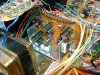
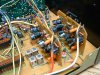
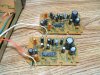
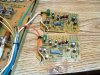
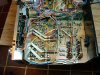
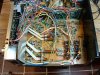
While the previous installment covered the rebuilding of the deck's transport, this one covers the process of replacing all of the electrolytic capacitors (caps) in the unit. This task is quite time consuming, and tedious, but proves to be well worth it in the long run, for various reasons, as I will discuss later.
Before performing this process, I strongly suggest completing the following tasks, to provide you a good comparative baseline for troubleshooting and assessing the value of your work:
The Pioneer CT-F900 contains 7 circuit boards, with 116 caps, and the parts cost for the caps alone is approximately $50.00. The labor for a good tech will likely be 12 to 15 hours, for the recap alone.
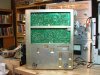
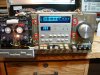
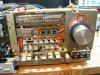
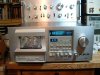
The unit you will see belongs to a fellow AKr. If he decides to chime in, you will be able to get his opinion as to value and changes in performance. Here is what the unit looked like when it was all done...
Rich P
While the previous installment covered the rebuilding of the deck's transport, this one covers the process of replacing all of the electrolytic capacitors (caps) in the unit. This task is quite time consuming, and tedious, but proves to be well worth it in the long run, for various reasons, as I will discuss later.
Before performing this process, I strongly suggest completing the following tasks, to provide you a good comparative baseline for troubleshooting and assessing the value of your work:
1. Rebuild the transport.
2. Rebuild the reel motor (covered in this thread: CT-F1250 Reel Motor Rebuild (CT-F800/900/950/1250)). After 30 years, small DC motors with brushes and centrifugal speed regulation switches all need work. It is quite common for these motors to have dead spots at their age.
3. Replace the pinch rollers. This is expensive, due to the fact that they are no longer available as spare parts. We do have an AK specialist, Terry Witt, who is the master of rubber rollers and idlers. After 30 years, all rubber dries, and hardens, and glazes, even if not used (the effect of ozone and other environmental components). If the pinch rollers for one of these dual-capstan, TOTL, decks are not resilient and supple, they will squirt tape right out one side or the other, and your favorite, un-replaceable tapes WILL get eaten. Pinch roller replacement is not mandatory, but HIGHLY recommended, unless the rollers are beyond restoration by cleaning and rejuvenation (cracked, eccentric, pitted, etc.).
4. DeOxit all user controls and internal switches (they do tend to corrode and get dirty over 30 years).
5. Complete REC/PB/Dolby alignment/calibration. Document the results, so when you re-perform the calibration after the recap, you will be able to make a good comparison with pre-recap performance. If something is not up to snuff after the recap, you will know if the problem existed before the recap, or if you caused it during the recap operation. You can also see if any pre-recap performance limitations cleared up because of the recap (they often do).
The Pioneer CT-F900 contains 7 circuit boards, with 116 caps, and the parts cost for the caps alone is approximately $50.00. The labor for a good tech will likely be 12 to 15 hours, for the recap alone.
The unit you will see belongs to a fellow AKr. If he decides to chime in, you will be able to get his opinion as to value and changes in performance. Here is what the unit looked like when it was all done...
Rich P
Last edited: