
I disagree, but we can agree to disagree.Sure. That's when personal preferences come in.
But objectively there's nothing wrong or approximate about the CD. That our subjective preferences lean one way or the other is a different story.


I disagree, but we can agree to disagree.Sure. That's when personal preferences come in.
But objectively there's nothing wrong or approximate about the CD. That our subjective preferences lean one way or the other is a different story.

I know a fair few with set ups where the cartridge alone was a couple of grand and whilst they do say they prefer vinyl they do listen to digital sources too with no complaints.I was exaggerating, but a lot of people who have very good digital and very good analog end up listening to the analog.
Serious (or semi-serious) audiophiles always seem to have vacuum tubes and turntables, I wonder why?I know a fair few with set ups where the cartridge alone was a couple of grand and whilst they do say they prefer vinyl they do listen to digital sources too with no complaints.
It's hard to say what makes a system fatiguing and I agree it does happen. You got to look at all the aspects of each individual system I don't think it's a blanket problem with one solution. CDs mastered too loud will certainly account for some those situations. The source or DAC rarely if ever.
A lot of speakers are very far from neutral so that won't help since digital sources have flat frequency response, pickup cartridges don't. So you can have a situation where CD is too bright but the vinyl system's uneven FR evens out the speaker's FR and it turns out fine.
This was one of the reasons some thought CD had a problem right from the start. Another was the 2 volt output clipping the line input of their 'traditional' amplifiers that were designed to be optimal for 0.7V output from tape decks and tuners of the era.
If early CD had been sounding bad for everyone it would never have caught on.
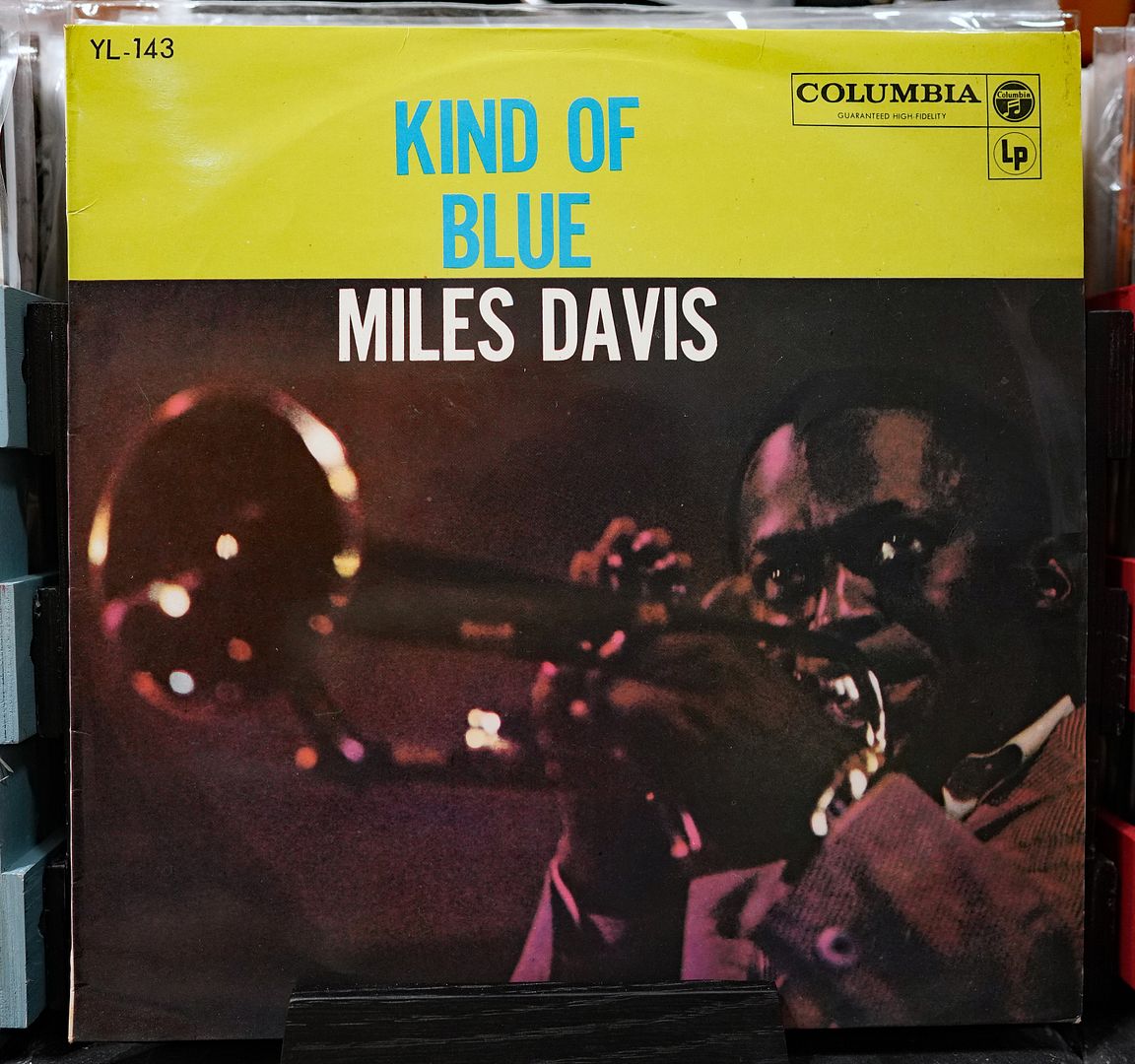
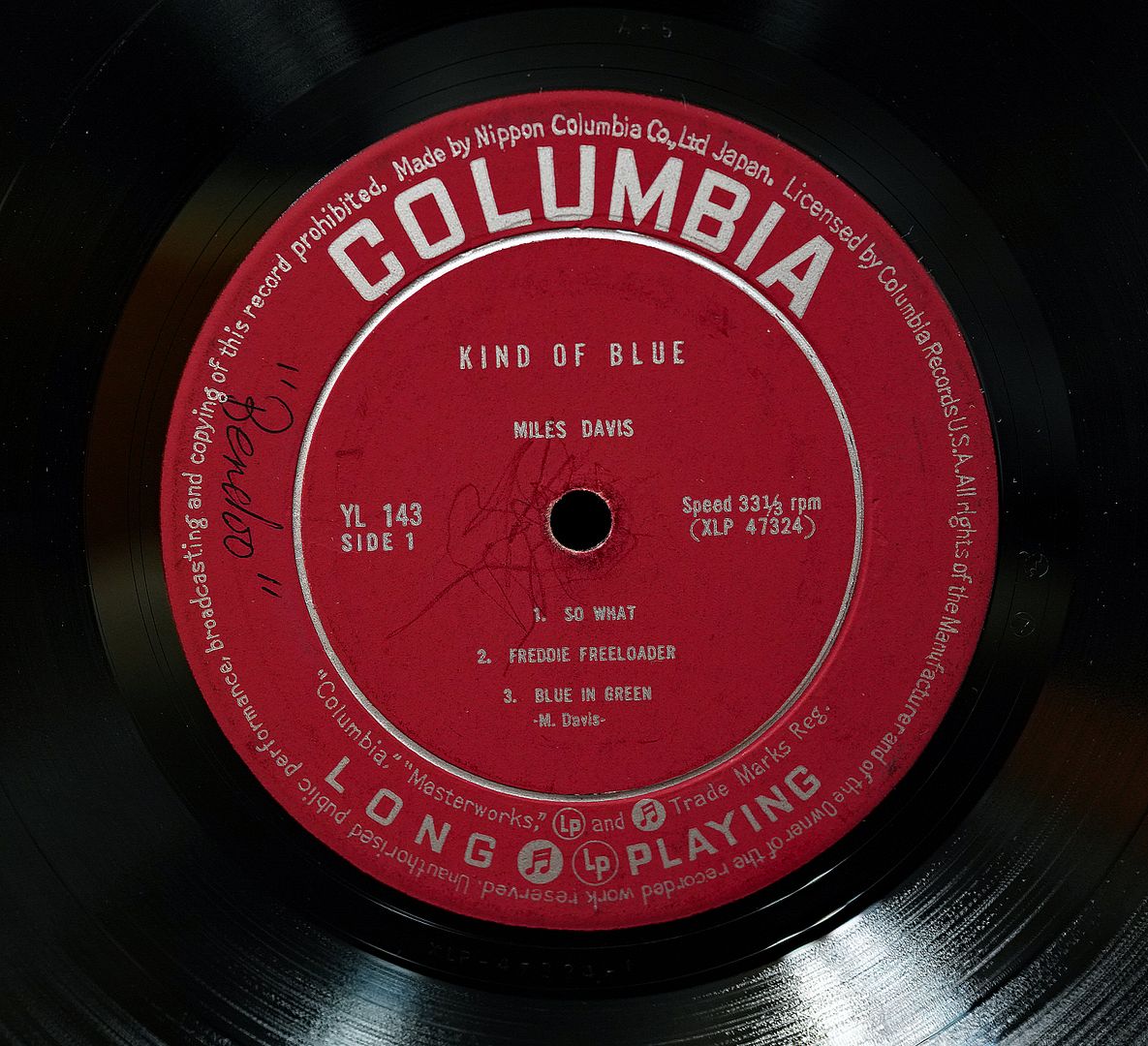
Very cool. Those are tough copies to find. The later Sony/CBS pressings are easier to find.My mono pressing.
Freddie Freeloader.
Off Miles Davis - "Kind Of Blue." Columbia YL-143. MONO. Nippon-Columbia (Japan) pressing. First pressing. 1959.
Run-out: XLP-47324-1 〄 A.5

Because they think it's what the cool kids have!Serious (or semi-serious) audiophiles always seem to have vacuum tubes and turntables, I wonder why?
+1. I have tried to go back to SS several times, but have always failed; returning to valves each time. And if a person really wants to hear the true sound they get into tubes with high speed tape. After listening to tape, listening to a CD even with a 5 figure DAC is akin to listening to AM radio.Serious (or semi-serious) audiophiles always seem to have vacuum tubes and turntables, I wonder why?

It's because they are the cool kids.Because they think it's what the cool kids have!

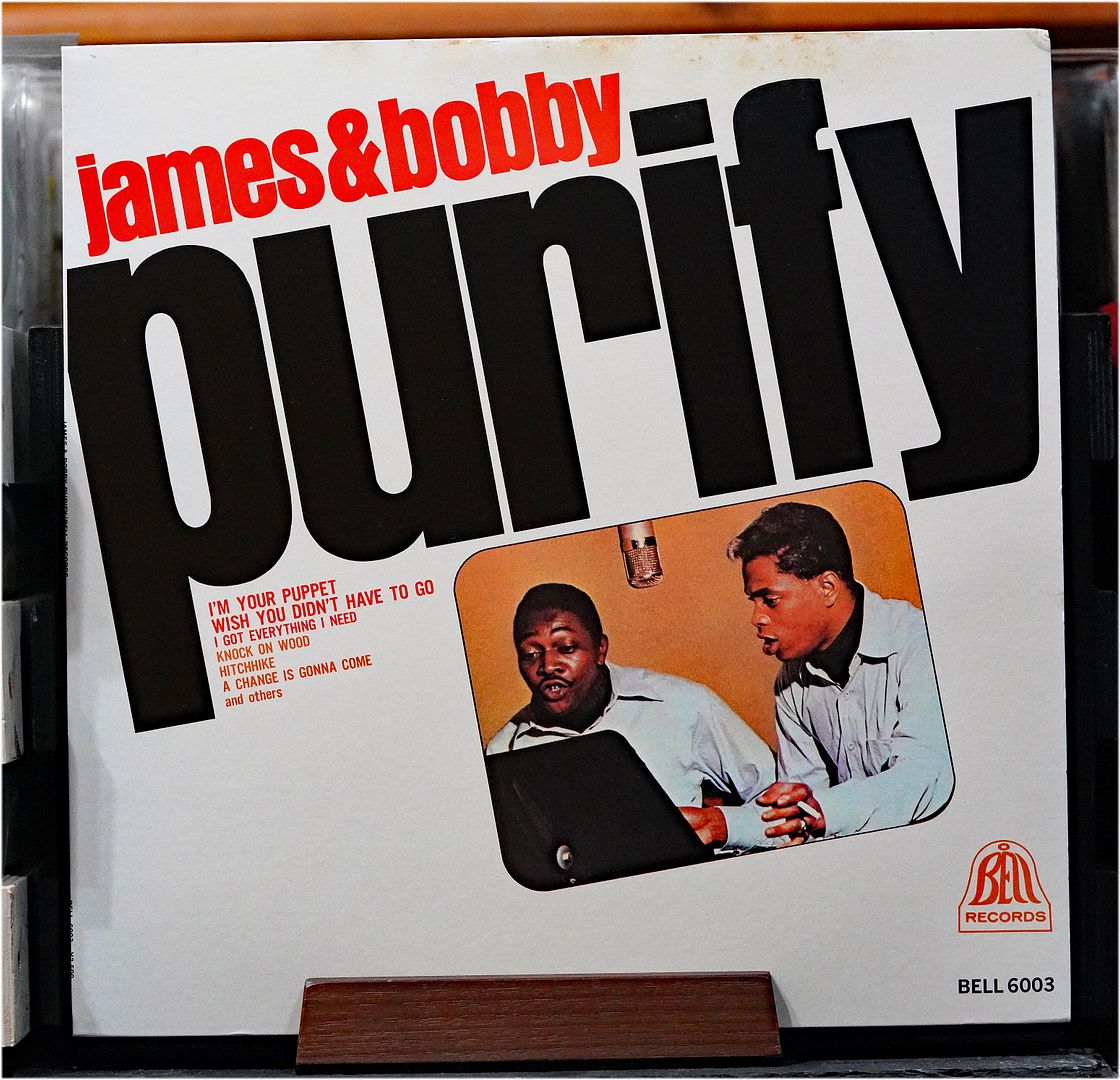
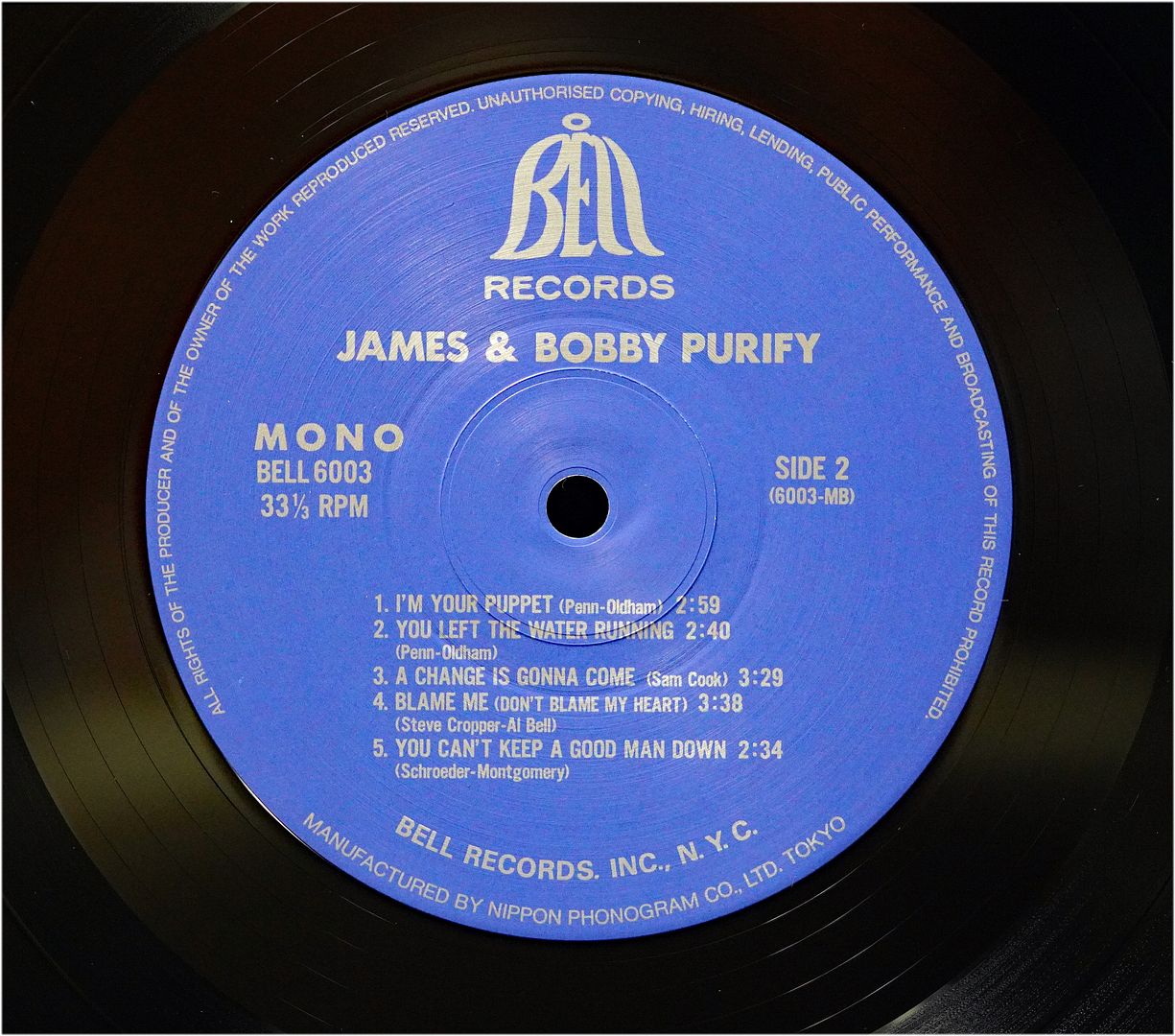
For sure, I look for Nippon Phonogram original pressings for their rich sound quality.Nippon Phonogram was sure an interesting company. They released quite a few audiophile pressings for the Japan audiophiles; lots of stuff cut at 45 RPM, Direct to disc cutting. All that I have heard where demo quality records.

I have a nice Sony SACD. It sounds good. But, since I R&R'ed my turntables, I rarely (like once every 6 months) listen to it. And I have a LOT of CDs, prolly over 1000. That's all I listened to for around 15 years.I was exaggerating, but a lot of people who have very good digital and very good analog end up listening to the analog.
I'm semi seriousSerious (or semi-serious) audiophiles always seem to have vacuum tubes and turntables, I wonder why?
 but I don't use either although I have in the past. I was up to five turntables at one point and I've had single ended, push-pull and hybrid tube amps.
Ever try other 12AU7/ECC82s?I have a couple of 12AU7s in the line stage.
Oh yeah, I know about tube rolling, 12AX7s in a Jolida JD5T tube hybrid preamp. I just haven't gotten around to it with the Odyssey pre, the stock JJs are good enough, for now....Ever try other 12AU7/ECC82s?
They can make a difference in a line stage.


Hmm, must have missed the directive as I do not have any tube gear.Serious (or semi-serious) audiophiles always seem to have vacuum tubes and turntables, I wonder why?
It was an engineer's solution to engineer's problems - no noise, no distortion, no tracking error, no azimuth error, no warps, no wow and flutter, no pops and clicks, no degradation with repeated plays, no end of side compression, no print-through, no shedding, no need to stop and switch sides, and a longer running time.Cd was just a shortcut way to kill any other attempts of developping medias with the new laser and digital technology. It was never made to be qualitative but was upgraded to be less easily damaged and tons of tech had to be poured in the drives to make it good enough. Its only advantage is space and the fact it offered deeper understanding of the digital technology.


