
Todd Dodds
Super Member

I don't use those anymore. The proper crimper is expensive, so I used a 2 lb. hammer. I had it resting on the dustcover of my turntable when I whacked it.



OK. And I'm not trying to stir the pot. I think this is where things break down sometimes: when ridicule of outrageously expensive products gets in the way of reasoned discussion of reasonable products that can improve sound. I'm one step above lamp cord (fancy lamp cord for audio, basically) because cables are such a circus that I haven't dipped my toe in.Not saying that's your fault either. Just saying.


Talking about lamp cord, I had a suprise. I was looking for a pair of something to burn in my new speakers in a spare bedroom. So I found two Ikea power cords with dimmer switch for my old floor lamps. The lamps were long gone to the dump, I don’t know why I kept the cords.
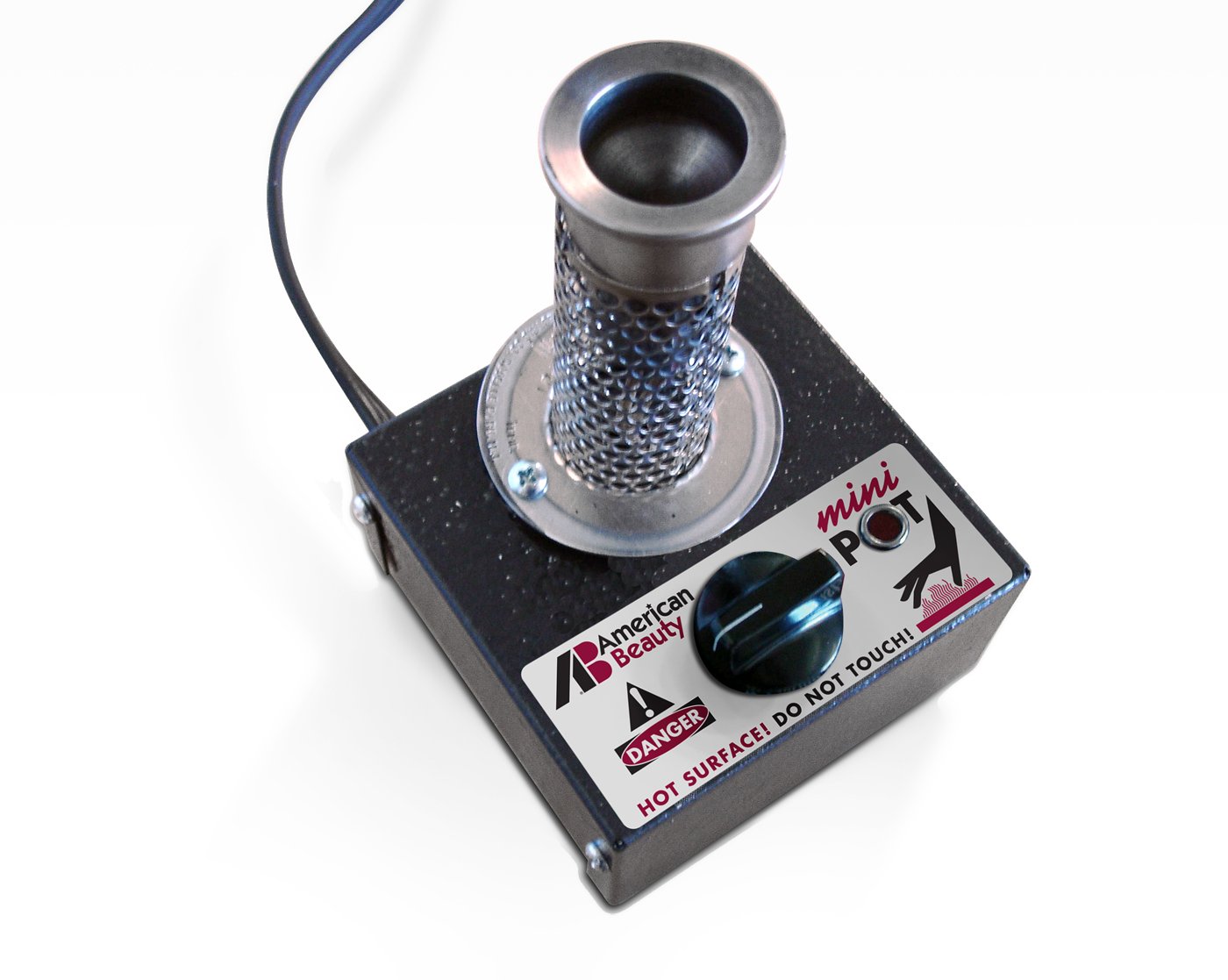
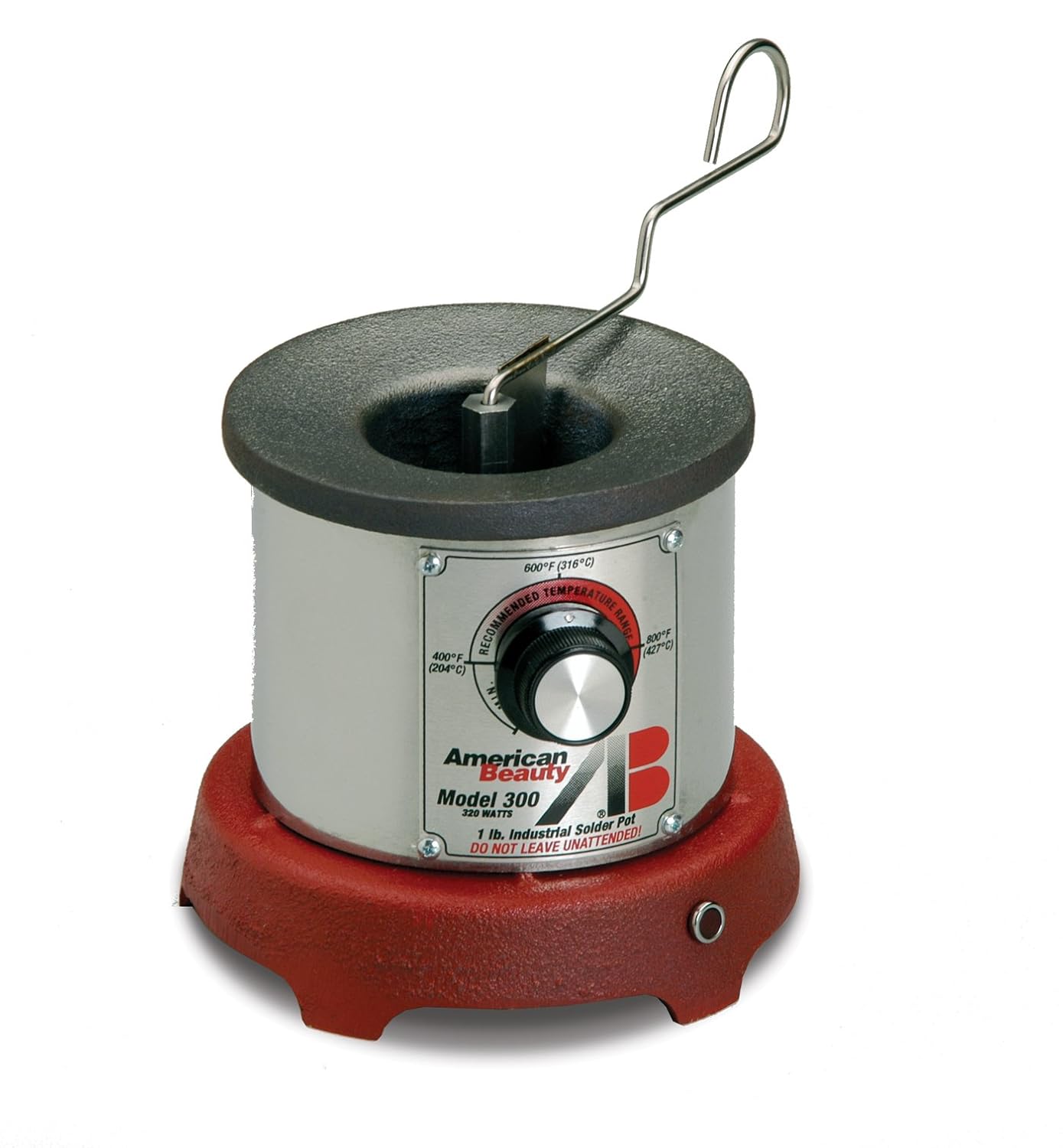
So I cut the wall plugs and switch boxes off, strip the ends and dipped them in a solder pot, and there I had a set of 18awg copper “speaker” cables with tinned bare ends. I left the system running for a day.....
This morning I went to room to check to see if anything on fire, wow, I notice those lamp cords sound really nice! They don’t have the most transparent or dynamic sound but they do have really natural and inviting sound! I could live with that easily if those cords in my bedroom or office setup

That's fine, but I've read that solder(tinned copper ends) is a poor conductor for soundTalking about lamp cord, I had a suprise. I was looking for a pair of something to burn in my new speakers in a spare bedroom. So I found two Ikea power cords with dimmer switch for my old floor lamps. The lamps were long gone to the dump, I don’t know why I kept the cords.
So I cut the wall plugs and switch boxes off, strip the ends and dipped them in a solder pot, and there I had a set of 18awg copper “speaker” cables with tinned bare ends. I left the system running for a day.....
This morning I went to room to check to see if anything on fire, wow, I notice those lamp cords sound really nice! They don’t have the most transparent or dynamic sound but they do have really natural and inviting sound! I could live with that easily if those cords in my bedroom or office setup
And interestingly enough, I think silver and copper are supposed to be a better conductor than gold.Use silver solder. Silver is a better conductor than copper.
That's true but solder is actually used as a metallic glue rather than a conductor.That did cross my mind once. But then I forgot about it.
Solder is everywhere inside our components after all...
That's fine, but I've read that solder(tinned copper ends) is a poor conductor for sound
Use silver solder. Silver is a better conductor than copper.
The top of the line Mundorf solder has the most silver content, that is only 9%, which is super hard to use, they don't flow very well.
Silver - Wikipedia
https://en.wikipedia.org/wiki/Silver
Silver is a chemical element with symbol Ag (from the Latin argentum, derived from the Greek ἀργός: "shiny" or "white") and atomic number 47. A soft, white, lustrous transition metal, it exhibits the highest electrical conductivity, thermal conductivity, and reflectivity of any metal.
Also, silver solder doesn't usually have that much silver in it.
I know the purpose of solder but my own soldering is seldom very good
Silver and copper do conduct better than gold but gold is far less reactive in air.
Sot sounds like you are saying that the lamp cord has a different sound than your other cables?
As long as the bare wire is connected directly, I'd think it wouldn't matter which type of solder was used to tin the wire endsSolder mostly is tin, just lookup Duelund and Western Electic wires, they are tin plated copper cable. I am using Duelund in my system now, they are wonderful.
Solder is mostly tin, but tin can sound really vivid. Same for the 100% gold conductor. By the end of the day, your ear is the judge.

Not me. I'm a mechanic. I get paid to repair the nightmares engineers design.
Interesting that after the Tacoma Narrows bridge failure, there were four significant, long span bridges built in the Puget Sound region that float on the water. Also interesting is that one sunk, while under renovation. This time it wasn't the engineers' fault - the maintenance folks left the pontoon hatches open during a storm.


I've read that solder(tinned copper ends) is a poor conductor for sound
I always use bare wire — the most direct connection is the best. Unless I'm experimenting with different amps/speakers; then I use bananas for convenience. I always tin the bare wire to prevent stray strands, and stiffen it (easier to work with that way) — then scrape the solder off the outside with a blade, so only copper is exposed, and only shiny copper makes the contact.As long as the bare wire is connected directly, I'd think it wouldn't matter which type of solder was used to tin the wire ends

