Do I Need To Replace These Tubes?

^^^ Pretty accurate description--tube amps often involve very high voltages that you don't want to get zapped by. Also, large power supply caps (if in good shape) can hold one hell of a charge for longer than you would think--ALWAYS check first.
 
Also, large power supply caps (if in good shape) can hold one hell of a charge for longer than you would think--ALWAYS check first.


I sparked something to ground in my old Sherwood some 45 minutes after shutting it off. Its still got original caps. I wasn't expecting that.
 
Lot depends on the amp's design too. Some bigger caps can hold a partial charge for days - "partial" being relative when you're talking hundreds of volts with large caps to store reserve power for peaks on tube equipment.

Rocking tubes is part of why the socket fingers that grip the pins get loose. More an issue with octal sockets than noval, but they all loosen up when swapping. I grip the bottom of the glass and kinda squeeze my finger tips between that and the chassis. That actually pushes the tube straight out with a bit of practice. Sometimes they'll fight you, and minimal rocking can help, but always retension afterwards.

And ya, loose ain't good. Not to forget, it only takes one loose pin to break the circuit and cause problems. As mentioned earlier, retensioning correctly does take a bit of practice - just a bit, as you don't want to distort or bend the fingers any more than necessary to allow firm contact with the pins. I also work the tube up and down just a bit before seating it completely to polish the mating surfaces and maximize connectivity.

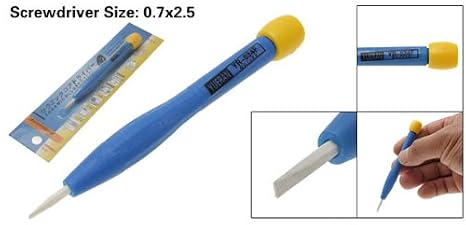
PS ... ceramic screwdriver ... now you can't say you've never seen one. <G>

41vWoCP6rbL._SX466_.jpg
 
Back
Top Bottom