BigTuna117
New Member
Hello! Earlier today my beloved RS-2010 seems to have burnt something up? I was listening to music, and the audio fizzled away. I tried turning 'er off and back on again, to no avail. She lights up, and the tuner works, there is no *click* of the amplifier itself powering on. Searching the internet for answers led me here, and I found a few other RS-2010's that had issues, I read those threads, crack the case open, and started looking for the "common" trouble parts. Which is perhaps, where this gets interesting.
I cracked the top case open to find everything still pristine, no bulging caps, or burn marks anywhere. So I continued by flipping the unit over and removing the bottom cover. Everything still looked pristine. all of the pots had been dexoed, and work very well.
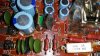
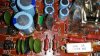
But then, I found a burnt resistor on the panel with all the SLO-BLO fuses ( Is this the Power Amp, Power Supply or some other board?). It, and two of the Capacitors look to have some of this (is it scorching?) on them.
Overall, this unit is what you'd call "low miles." It was my grandparents' before it was mine, and they didn't seem to use it very much- I saw them use it MAYBE four times in 15 years. Most of it's life has been in my setup, used daily. I've had it, and used it frequently for the last 5 (almost 6) years. I'd like to at least try fixing it before I send it out to pasture. This thing should have YEARS of life left in it. Even the thermal paste between the powerpacks and their heatsinks is still good!
So I guess the question is: would this cause the amp to not click on? Would it better to replace the board, or just the fried components?
Any further questions or pictures required, I'll happily provide.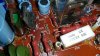


I cracked the top case open to find everything still pristine, no bulging caps, or burn marks anywhere. So I continued by flipping the unit over and removing the bottom cover. Everything still looked pristine. all of the pots had been dexoed, and work very well.
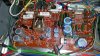
But then, I found a burnt resistor on the panel with all the SLO-BLO fuses ( Is this the Power Amp, Power Supply or some other board?). It, and two of the Capacitors look to have some of this (is it scorching?) on them.
Overall, this unit is what you'd call "low miles." It was my grandparents' before it was mine, and they didn't seem to use it very much- I saw them use it MAYBE four times in 15 years. Most of it's life has been in my setup, used daily. I've had it, and used it frequently for the last 5 (almost 6) years. I'd like to at least try fixing it before I send it out to pasture. This thing should have YEARS of life left in it. Even the thermal paste between the powerpacks and their heatsinks is still good!
So I guess the question is: would this cause the amp to not click on? Would it better to replace the board, or just the fried components?
Any further questions or pictures required, I'll happily provide.