
KlipschFan61
Smooth Jazzer
I have an amp of similar configuration and found the PSVane UK-6SN7 to be "the one". Didn't like any of the other, less expensive offerings.



Going back a bit on the 5Z3PA. Really looking for a backup or in case it fails. I don't really wanna go wit the mumbo-jumbo but seems like they don't have the original 5z3pa metal base anymore. I tried using a new 5u4gb and its giving me a fast start sound that's evident on my speakers when I turn it on.The Chinese use of the 5Z3 number creates a lot of confusion.
The 5Z3, with no suffix, is an old American 4 pin rectifier that does not have an octal base. The Chinese 5Z3 versions that I've heard of - the 5Z3P and 5Z3PA - have four pins but they use an octal base. I've never heard of the version with the "T" at the end and I couldn't find a data sheet for it.
Electrically, the American 5Z3 is equivalent to the 5U4G. The 5U4GB is a heavy duty version. Here's a data sheet for the American 5Z3, 5U4G and 5X4G. Notice that the pinouts are all different. The 5U4G and the 5X4G both have octal bases but not the 5Z3.
https://tubedata.altanatubes.com.br/sheets/127/5/5Z3.pdf
The 5U4GB is a drop in replacement for the 5Z3PA and 5Z3P, which are both made by Shuguang. If your amp has an octal rectifier socket the 5U4GB will work fine. Another good sub would be the 5V3A. Same pinout and they all run at 3A of heater current. You could also use a 5AR4, which uses less heater current and offers a slow start.
The problem with the 5Z3 is that the data sheet lists a maximum first cap of only 4uf and the Chinese amps often use much higher values. This can lead to rectifier arcing and failures.
Check your amp to see what the value of the first cap after the rectifier is. The 5U4GB is rated at 40uf but using a 47uf, which is a common size, is OK since your amp probably uses less current that the 5U4GB can handle. If your amp has a larger first cap then replacing it with a high quality 47uf is a good idea.
The NOS American 5U4GBs are all very stout tubes so any brand should do fine. Strong testing used examples are fine too.


Mumbo-jumbo?? What exactly do you mean?Going back a bit on the 5Z3PA. Really looking for a backup or in case it fails. I don't really wanna go wit the mumbo-jumbo but seems like they don't have the original 5z3pa metal base anymore. I tried using a new 5u4gb and its giving me a fast start sound that's evident on my speakers when I turn it on.
So I set that aside. I have some new 5ar4 and 5v3a raytheon but I haven't tried it yet. If I can get the original metal base, I wont even bother going to a replacement route. My take is, are there any updates for the correct replacement of this tube. Its a rectifier for a SET 300b 8 watts. 4-prong (normal) not like the 300b socket.

Mumbo-jumbo?? What exactly do you mean?
And I'm not sure how a faster startup rectifier like a 5U4 would affect your speakers. I've got amps that use slow start (indirectly heated) rectifiers like the 5AR4, fast(er) start (directly heated) rectifiers like the 5U4GB and amps that use solid state rectification, which start up essentially instantly. I've never noticed any affect on my speakers.
The 5AR4 will give you a slow start but it probably has less voltage drop than the original 5Z3PA if it really is equivalent to a 5U4. If so, the voltages will go up in the amp. The 5v3a is directly heated, like the 5U4, so it's not slow start.
Not sure what you mean by "updates" but rectifiers aren't made specifically for use with certain power tubes, like the 300B. They are designed to provide certain maximum voltages and current. The data sheets will tell you if a particular type can be used with a particular circuit.
All those rectifiers you show have octal bases. An octal base has spaces for 8 pins regardless of how many pins are actually present. It also has a center guide pin (plastic) so it can only be inserted one way. If only 4 pins are needed, they often omit the others to save money since they wouldn't be doing anything anyway.
What makes you think the 5Z3PA, or the equivalent variations, are no longer available? I just looked on eBay and there they are.
What the heck is a "mesh acme" output tube?? Gotta pic or a link?Oh that's easy. I never even thought about going to ebay beside tube depot. I this case I will just by the identical one on ebay and thanks for letting me know.
What I mean by mumbo-jumbo is replacing it besides the original tubes then get a surprise after 6 months, Besides I'm thoroughly happy with the sound of this amp having it going 4 years now so Ill leave it original besides the output tube which I'm using is a mesh acme. Just incredible!
Thanks,
Edited: I checked a few minutes ago and I saw one or 2. Its not identical. I might need to look more further.
Acme is the old light bulb non-st bottle. I'm not sure how the original western electric sounds like but this is the copy of it and I really like the sound of this tube. Its perfect if you have like a typical 6sn7 black plate Sylvania preamp tube which sound bright then with this output tube has more 3d sound, warm and a lot of bass. I cant ask for anything more.What the heck is a "mesh acme" output tube?? Gotta pic or a link?
As for the rectifiers, here are the data sheets for the 5Z3P and 5Z3PA. I don't read Chinese, but there seem to be only very minor differences, nothing that would affect the function of your amp.
http://tubedata.milbert.com/sheets/095/5/5Z3P.pdf
http://tubedata.milbert.com/sheets/095/5/5Z3Pa.pdf
For comparison, here's the data sheet for the 5U4GB:
http://tubedata.milbert.com/sheets/093/5/5U4GB.pdf
Again, my main concern would be the value of the first cap after the rectifier. These Chinese rectifiers specify a maximum of only 4uf while the 5U4GB allows up to 40uf. Although the cap size can be larger if the circuit isn't pushing the rectifier to its limits, it's not uncommon to see Chinese amps use caps that are way too large.
Do you have an accurate schematic or a detailed pic of the insides that shows the value of the first cap?
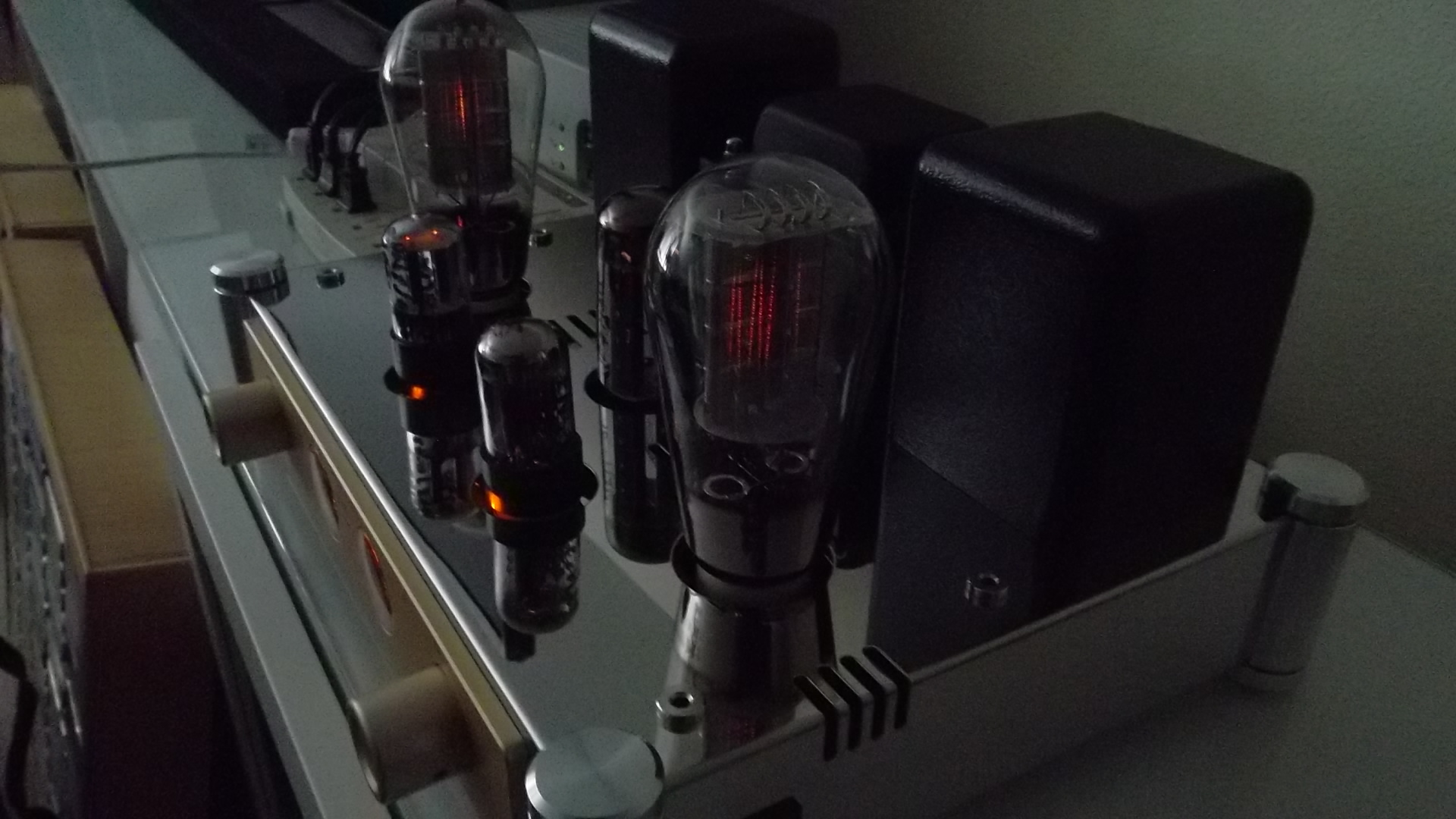
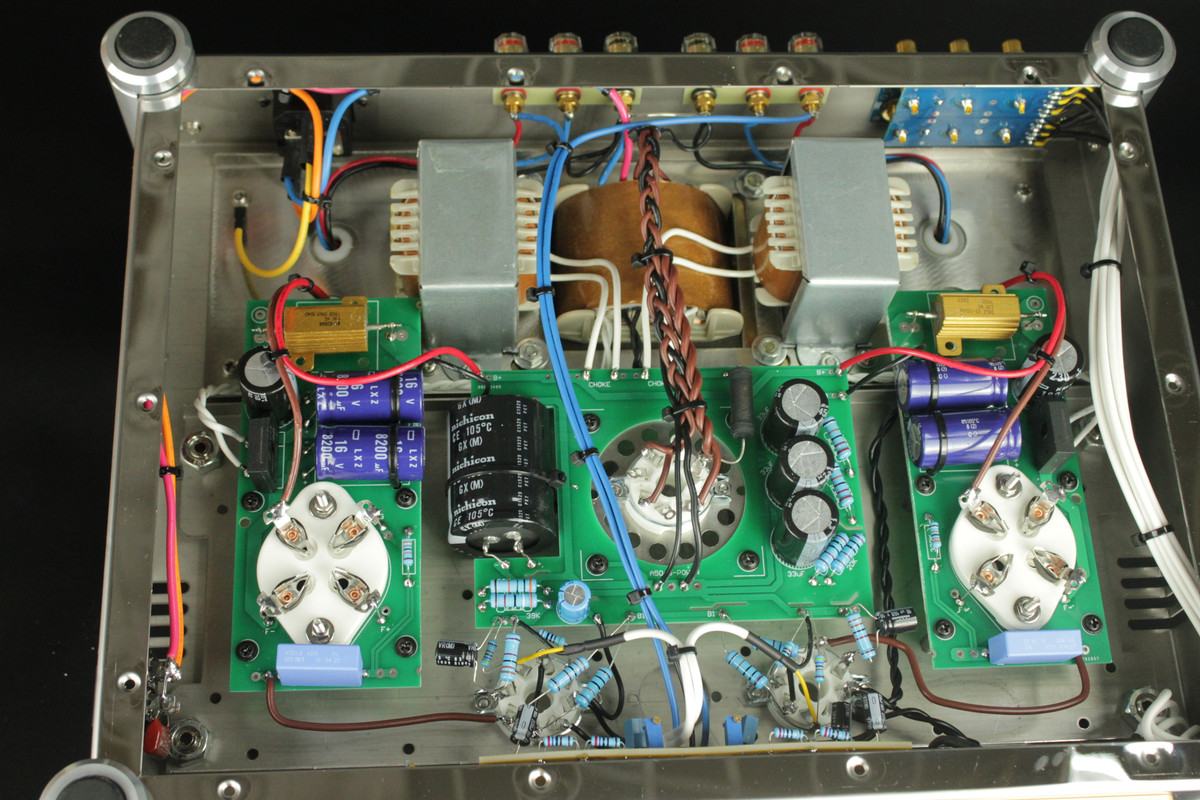
I assumed that it was a mesh plate tube but I'd never heard of Acme - except in the old Road Runner cartoons.Acme is the old light bulb non-st bottle. I'm not sure how the original western electric sounds like but this is the copy of it and I really like the sound of this tube. Its perfect if you have like a typical 6sn7 black plate Sylvania preamp tube which sound bright then with this output tube has more 3d sound, warm and a lot of bass. I cant ask for anything more.
In regards to the schematic which I don't have right now, I been trying to get it since February but I still don't have it yet. Thanks for that link and its really informative.
Do you think if I decided to just use a 5AR4/GZ34, change what is necessary like the caps, wirings so I can bring it up to really suitable and running smooth. Will it affect the sound?
 Is that the brand?
I assumed that it was a mesh plate tube but I'd never heard of Acme - except in the old Road Runner cartoons.
The difficulty in finding accurate, or often even inaccurate, schematics for Chinese amps is a common problem. What's the brand and model # of the amp?
I'm not a fan of circuit board construction and it's hard to see exactly how it's wired. But they have a resistor coming off the rectifier which should allow for the use of a somewhat larger first cap. Hopefully the first cap is one of the 33uf ones on the right and not that huge cap on the left.
If you want to try the 5AR4 it would be best to measure the voltages first, then with the 5AR4 installed, bring the amp up slowly with a variac and see how much higher they go. Then do the math to determine that the higher voltages aren't running the tubes, caps, etc too hard.
If you don't have capability to do that, I would stick with either the stock rectifier types (any of the Chinese 5Z3 versions) or a 5U4GB.


