This is my first attempt at vintage and picked up this Marantz 2230 at an estate sell. Interested in any qualified and experienced pointers to get me going in the right direction. Good sarcasm at my expense equally welcome .


You are using an out of date browser. It may not display this or other websites correctly.
You should upgrade or use an alternative browser.
You should upgrade or use an alternative browser.
Holy moley, where do I begin?
- Thread starter DMack99
- Start date
-
- Tags
- marantz 2230
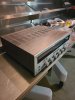

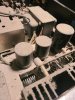
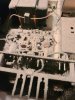
Register to hide this ad


Congrats on the 2230 and welcome to AK!
I have had units that dirty and after carefully blowing them out with a compressed air they looked very good. Vacuum and soft paint brush with long bristles here is your friend too.
2230 is a classic and they are tough. Bet it works fine if after cleaning you don’t see any red flags like burnt capacitors or say scorch marks on any of the boards. Look for burnt fuses etc. Passes the visual stuff it’s time to test it in my opinion. Milo has the right idea, build a dim bulb tester and fire it up through that.
A quick search with tell you why and how to build one. If you feel confident with the cover off plug it in and turn it on. Be ready to shut it off quickly if you see smoke or hear any sounds like a pop or hum.
I am a bit of a gambler here but I do know what I am doing most of the time.
Since this is your first foray into vintage probably best idea is to clean up the decades of dust and take more pictures and post them here for the real experts to look over. Then go from there.
Nice find.
I have had units that dirty and after carefully blowing them out with a compressed air they looked very good. Vacuum and soft paint brush with long bristles here is your friend too.
2230 is a classic and they are tough. Bet it works fine if after cleaning you don’t see any red flags like burnt capacitors or say scorch marks on any of the boards. Look for burnt fuses etc. Passes the visual stuff it’s time to test it in my opinion. Milo has the right idea, build a dim bulb tester and fire it up through that.
A quick search with tell you why and how to build one. If you feel confident with the cover off plug it in and turn it on. Be ready to shut it off quickly if you see smoke or hear any sounds like a pop or hum.
I am a bit of a gambler here but I do know what I am doing most of the time.
Since this is your first foray into vintage probably best idea is to clean up the decades of dust and take more pictures and post them here for the real experts to look over. Then go from there.
Nice find.

Those are pretty sturdy.
Clean it up and power up on dim bulb to see what’s what.
I’d bet it works.
The ugly ones usually work.
We pulled one out of a dumpster that looked like it went through a building fire.
As ugly as it can get.
Worked perfectly. Amps were adjusted to spec.
New lamps and a couple things that broke from being tossed and she’s singing in Montana.
I’ve had way more trouble with the pretty girls than I care to remember.
Clean it up and power up on dim bulb to see what’s what.
I’d bet it works.
The ugly ones usually work.
We pulled one out of a dumpster that looked like it went through a building fire.
As ugly as it can get.
Worked perfectly. Amps were adjusted to spec.
New lamps and a couple things that broke from being tossed and she’s singing in Montana.
I’ve had way more trouble with the pretty girls than I care to remember.
Hell yeah! I'll let you guys know. I'm just a jarhead who likes things loud and is a sucker for frustrating myself. I'll grab me a box of crayons, a bourbon, and see what I can do.Those are pretty sturdy.
Clean it up and power up on dim bulb to see what’s what.
I’d bet it works.
The ugly ones usually work.
We pulled one out of a dumpster that looked like it went through a building fire.
As ugly as it can get.
Worked perfectly. Amps were adjusted to spec.
New lamps and a couple things that broke from being tossed and she’s singing in Montana.
I’ve had way more trouble with the pretty girls than I care to remember.
Matt Giarra
Member
Here is a long video that goes through the process of restoring a marantz receiver. This guy’s channel is super helpful.
I’d recommend picking up some dirt cheap /free speakers on Craigslist to test it with. No use risking speakers you care about.
What kind of tools/gear do you have for working with electronics? Do you know (or want to learn) how to solder?
I’d recommend picking up some dirt cheap /free speakers on Craigslist to test it with. No use risking speakers you care about.
What kind of tools/gear do you have for working with electronics? Do you know (or want to learn) how to solder?

Paul Malloy
Active Member
I agree, build a Dim Bulb Tester before testing it. It will save you from burning something up (I know it saved me more problems).
Here's a link to a video on how to build one (looks like the one I built-It was about $5 to make):
Here's a link to a video on how to build one (looks like the one I built-It was about $5 to make):

Matt Giarra
Member
Is there a particular advantage of building a dim bulb tester versus buying a multimeter and testing continuity?
Last edited:

The way a DBT works is that a light bulb is placed in series with the receiver/amplifier being tested.Is there a particular advantage of building a dim bulb tester versus buying a multimeter and testing continuity?
- If there is a short circuit in the receiver there will be zero ohms and the receiver will draw infinite current. You will not be able to measure the short from continuity test of the AC since it goes through the transformer.
- Since the bulb is in series with the receiver, when there is a short (essentially no resistance on the AC lines), the bulb will see the full 120VAC and glow brightly.
- If there is not a short, then the current drawn is determined by the amount that the receiver draws. That current also passes through the bulb and it glows dimly.
- When first powering on the receiver the bulb will glow brightly for a few seconds, that is a high current draw as the power supply filter capacitors charge up, then when they are charged the current goes lower and the bulb dims.
- If you measure the AC voltage at the receiver when you play music, you will see the voltage drop.
- You can select different wattage bulbs to change the maximum current that is drawn.
- That's why final testing and adjustment is done off of the DBT.
- Another note is that the bulb must be an incandescent bulb, not an LED or fluorescent bulb.


Matt Giarra
Member
The way a DBT works is that a light bulb is placed in series with the receiver/amplifier being tested.
- If there is a short circuit in the receiver there will be zero ohms and the receiver will draw infinite current. You will not be able to measure the short from continuity test of the AC since it goes through the transformer
You can connect a multimeter in series with AC, no? If the point of the dim bulb tester is essentially to “measure” the current through the bulb, why not actually measure the current, and compare the measured value the spec?
Maybe the answer is “a bulb tester is an easy and intuitive tool for detecting shorts.” Fair enough. I’d still recommend buying a multimeter, though (also useful for working on your house and car).

sparky1116
Active Member
It'll be all worth it when that thing is cleaned up and running perfectly. I can't lie, I like the cleaning part.

You can connect a multimeter in series with AC, no? If the point of the dim bulb tester is essentially to “measure” the current through the bulb, why not actually measure the current, and compare the measured value the spec?
Maybe the answer is “a bulb tester is an easy and intuitive tool for detecting shorts.” Fair enough. I’d still recommend buying a multimeter, though (also useful for working on your house and car).
It's not for measuring. It provides protection against shorts and the ensuing damage.
And of course the OP will need a multimeter, along with a variety of other tools and materials.
Last edited:
Matt Giarra
Member
It's not for measuring. It provides protection against shorts and the ensuing damage.
And of course the OP will need a multimeter, along with a variety of other tools and materials.
Upon investigation, the DBT is just a current limiter, which provides a visual indication of the instantaneous current. You could buy a purpose-built current limiter, but a light bulb is simple and cheap and comes with a “graphical interface.” Pretty clever, glad I understand now, thanks.

Bone Yard
Super Member
I love the crusty ones!
Do not fire it up with all that dust in it, clean it as best as you can. I use compressed air and a portable Makita Blower, the little one, for initial dusting. I've read on here that you should be very careful around the tuning variable capacitor using very low air pressure. You might need a ton of Q-tips and IPA to get the stuff that doesn't want to come off.
Good luck.
Do not fire it up with all that dust in it, clean it as best as you can. I use compressed air and a portable Makita Blower, the little one, for initial dusting. I've read on here that you should be very careful around the tuning variable capacitor using very low air pressure. You might need a ton of Q-tips and IPA to get the stuff that doesn't want to come off.
Good luck.