In the immortal words of The Firesign Theater, "And to think, all I had to do was to put the balls on the other side!"
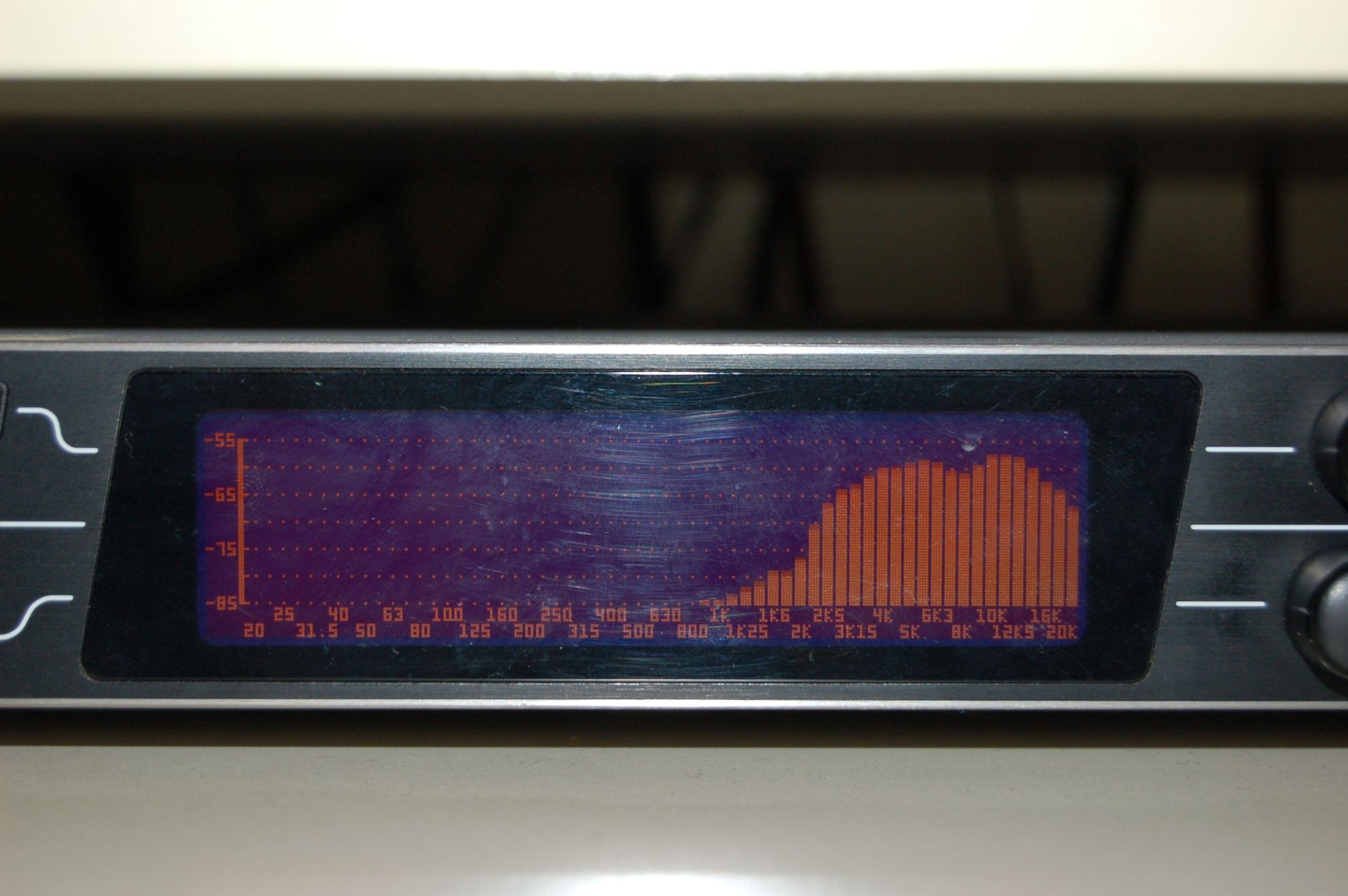
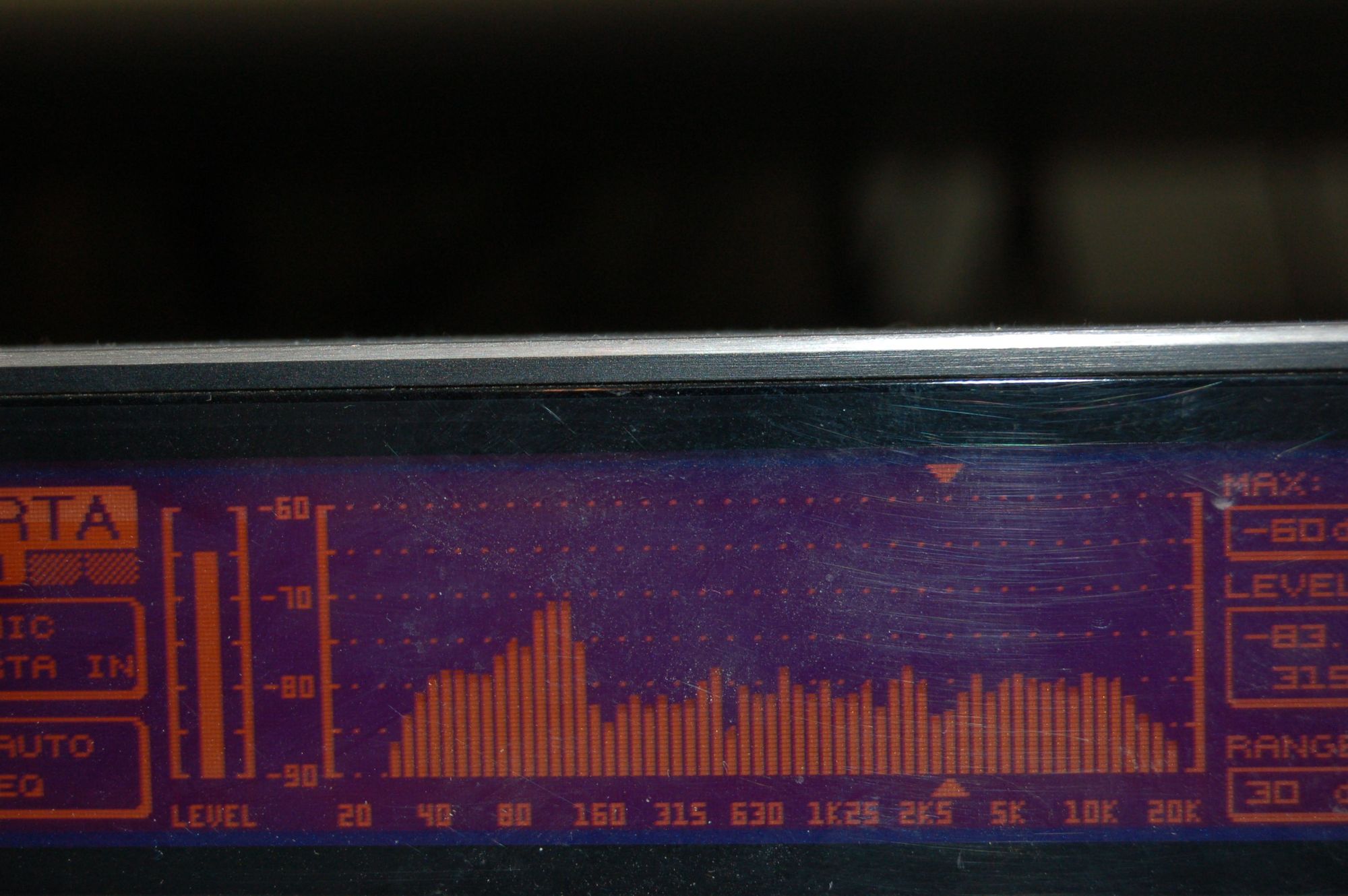
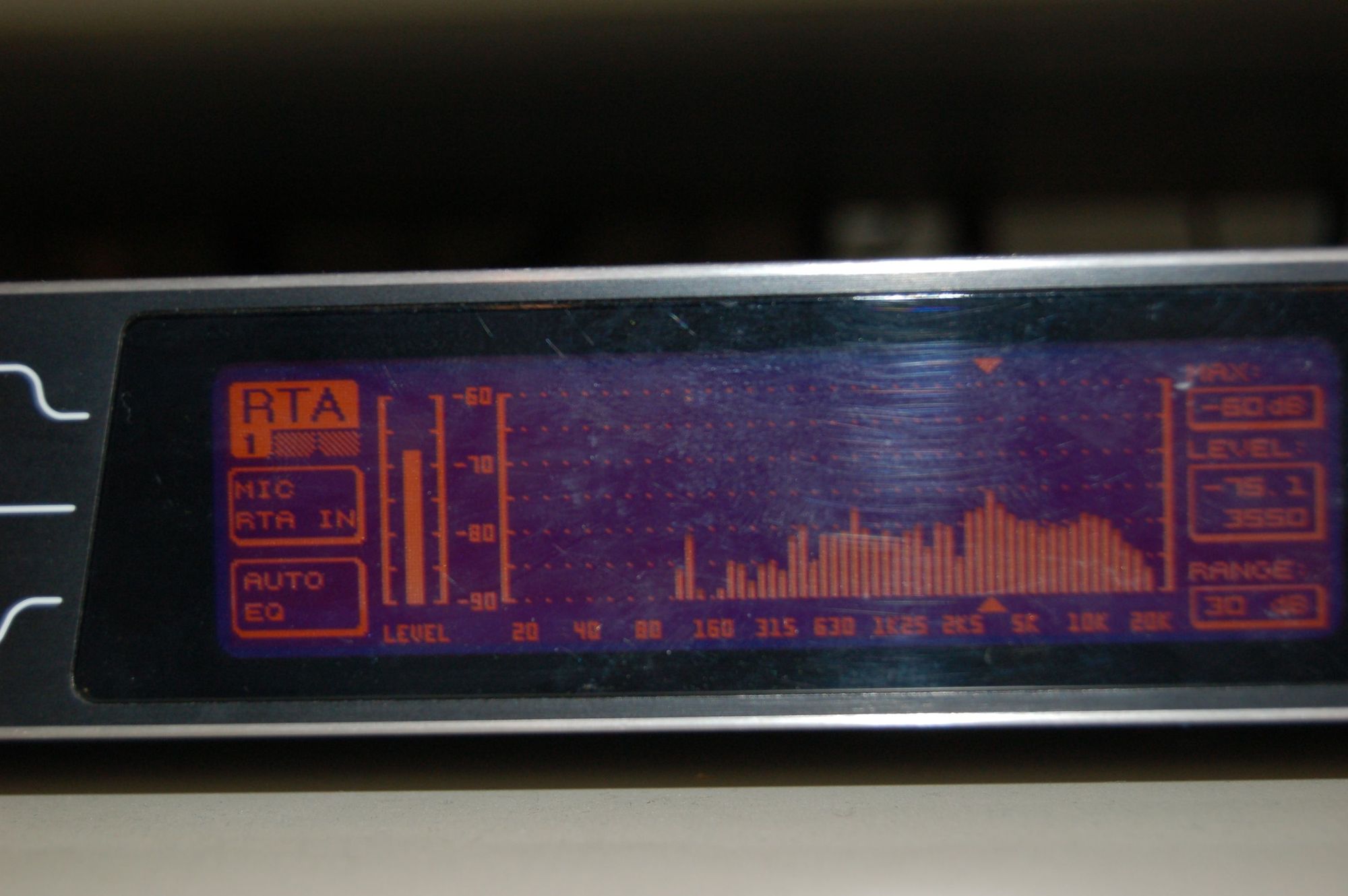
The following shows the typical nearfield response for the Great Heil. Actually, the differences in the various Heil plots are, at least in part, as to how far the microphone was when taking the reading. The further that the mic is to the diaphragm, the more attenuated the high frequencies relative to the lower frequencies. This is because the higher the frequency, the faster it rolls off due to "atmospheric attenuation." This is not the same as "spreading losses" (i.e., 6 dB per doubling of the distance). Sound energy is lost as it vibrates the air molecules imparting some of this energy to the air, and the higher the frequency, the greater the loss. A "very nearfield" plot (i.e., at the diaphragm) will show more rise between 1 kHz and 10 kHz than shown here.
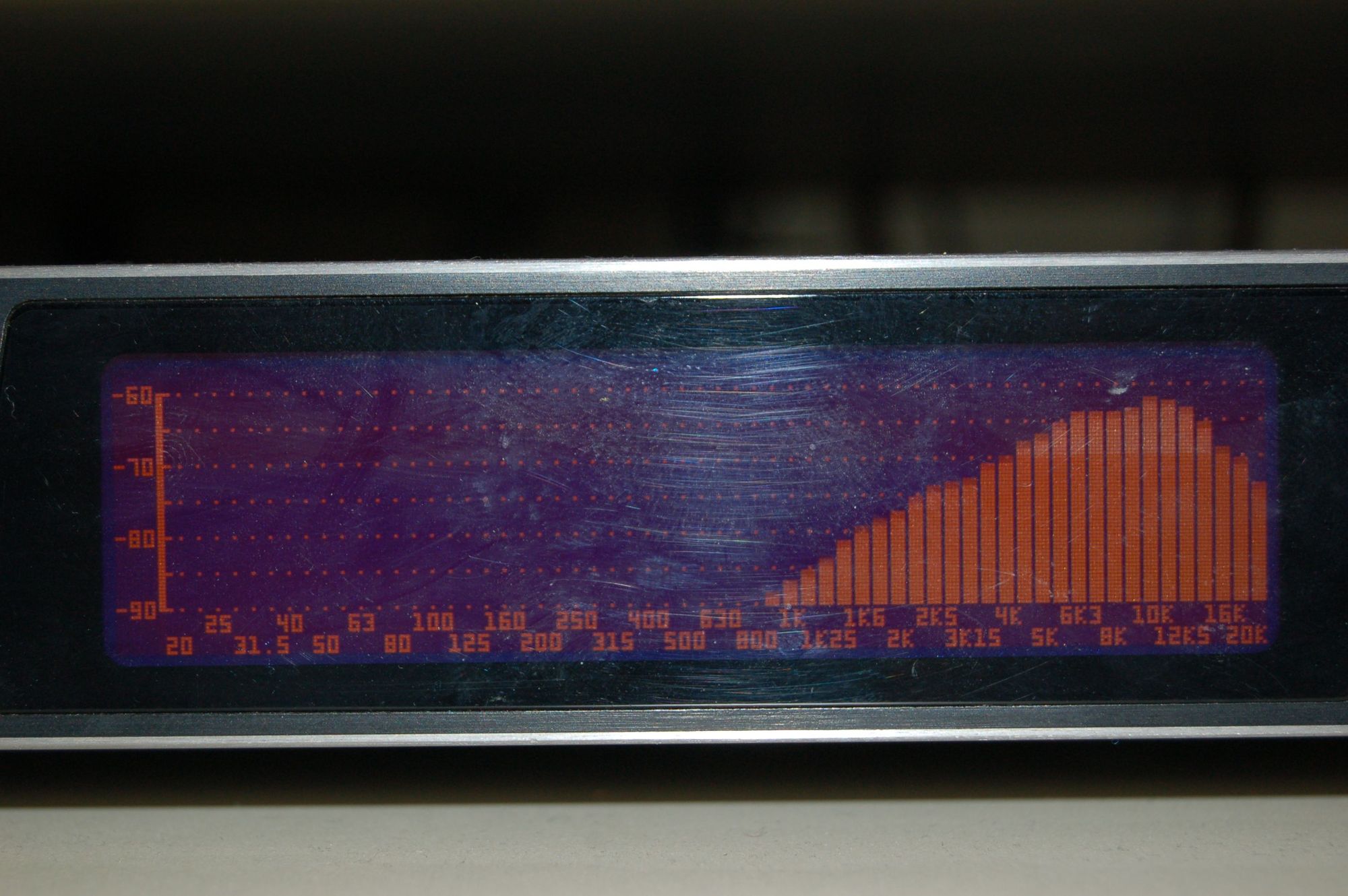
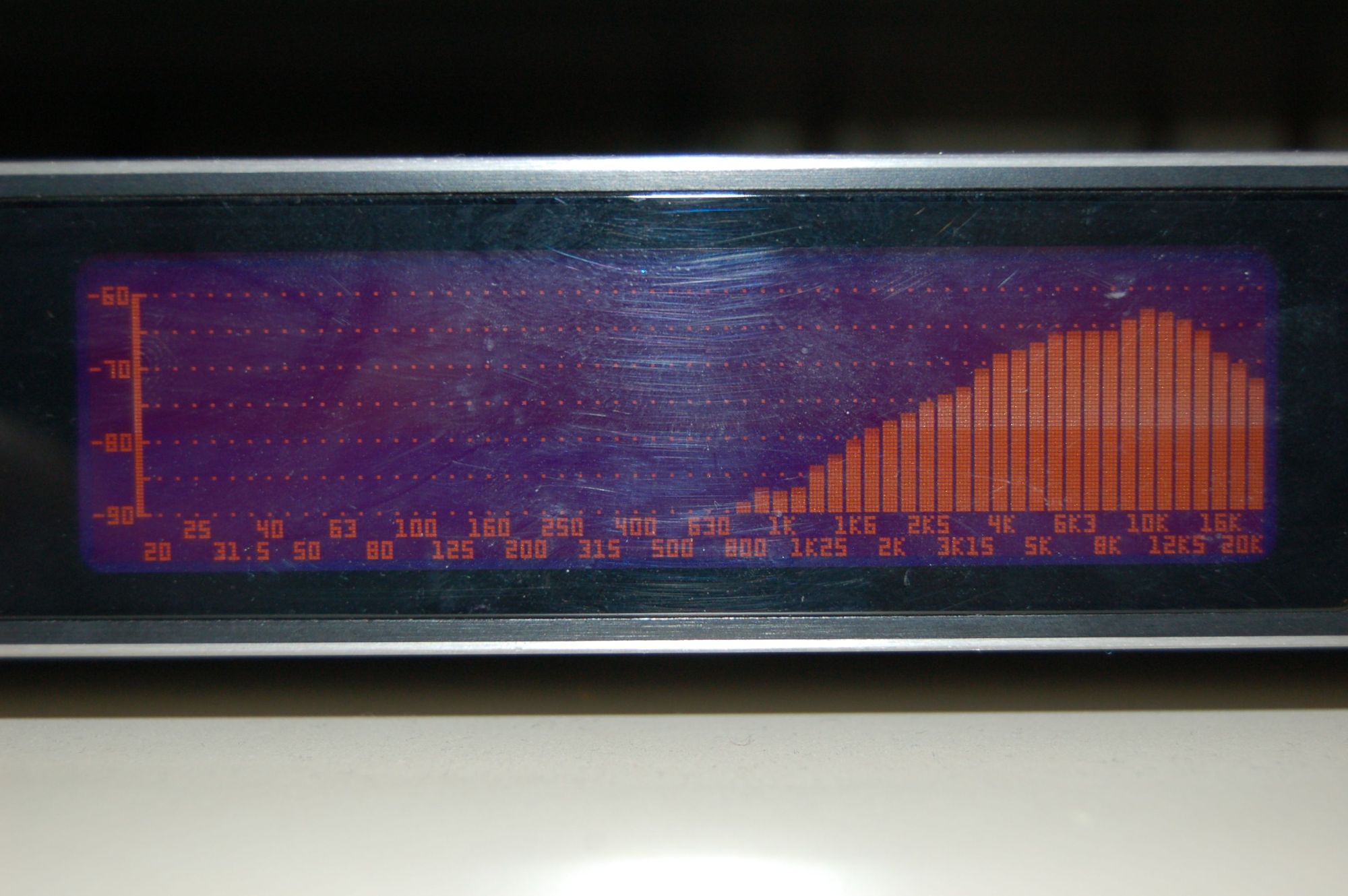
In the past, I had gone to great lengths to make a "lens" to take out the 10kHz peak, but that portion of the band is still elevated by close to 5 dB ("sound clear as light?").
Then I cross them over at 3kHz to the woofer. But the natural dip at 2kHz really brings down the curve between about 2 and 4.5 kHz creating a "hole" (dip), and the peak just above 1kHz still adds some to the woofer creating a bit of a peak in the band.
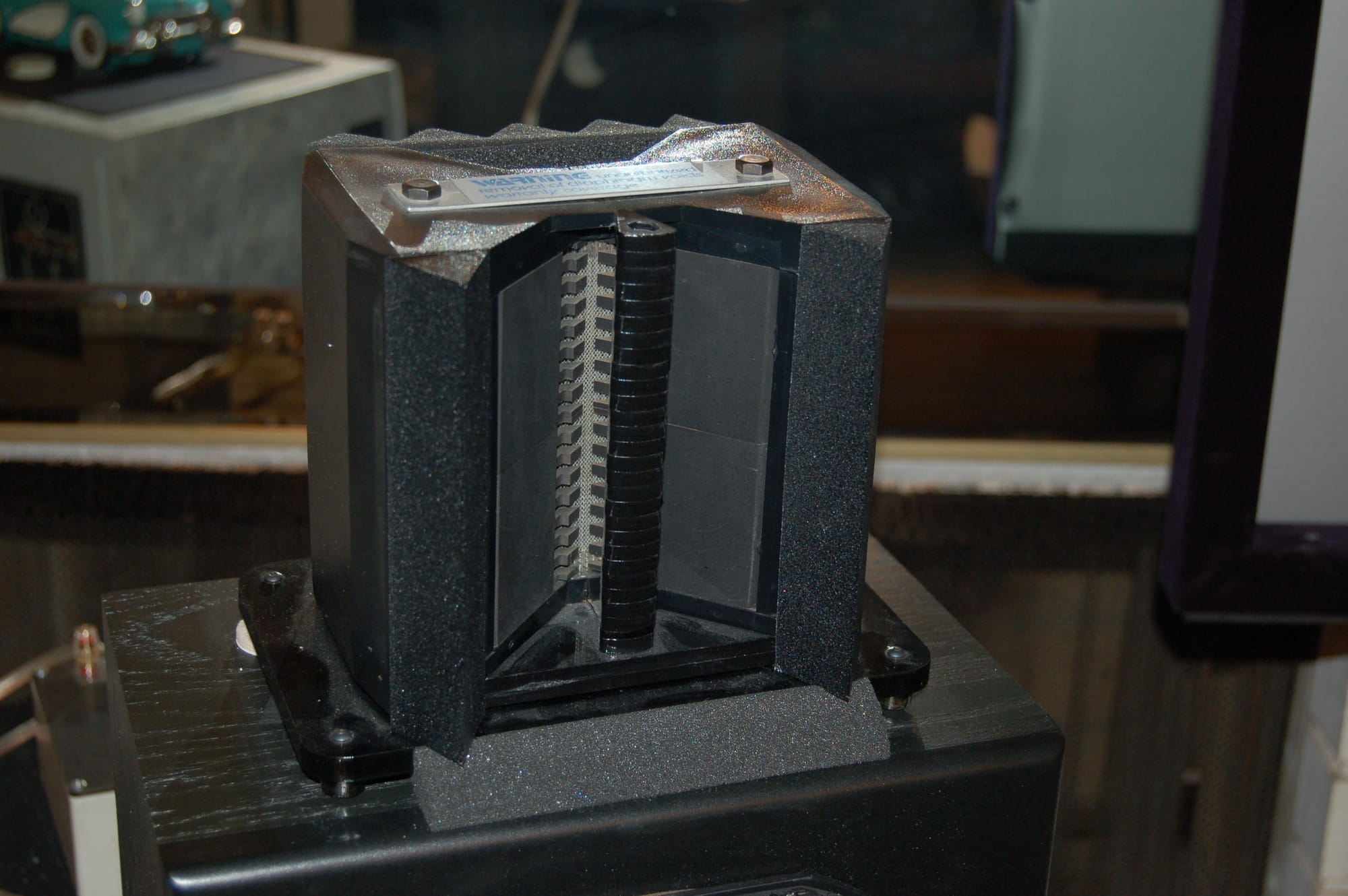
I had been putting a piece of sound insulation along the back side of the Heil to remove the rear wave and it's reflection. Using the RTA, I noticed that this "insulation" was creating a reflection that was cancelling the ~6kHz in the near field making the natural dip even worse, but with a very high "Q" factor. Removing the insulation restored the dip.
So, if that's all it takes to change the nature of the sound, what else could be done to the "rear" of the Heil with profound effects on the near field?
Any time you put something along the back of the Heil that interferes with the rear wave that creates any sort of reflection back toward the diaphragm will have profound effects on the nearfield!
I've found that I can "tune" the Heil and push that 2.8 - 5.6kHz up by over 3.5 dB to near flat removing the hole and increasing the order of the crossover below 2kHz by influencing the rear wave. The size, shape, and placement of the "obstruction" will have a profound effect on the frequency response and you really need an RTA to set it up properly.
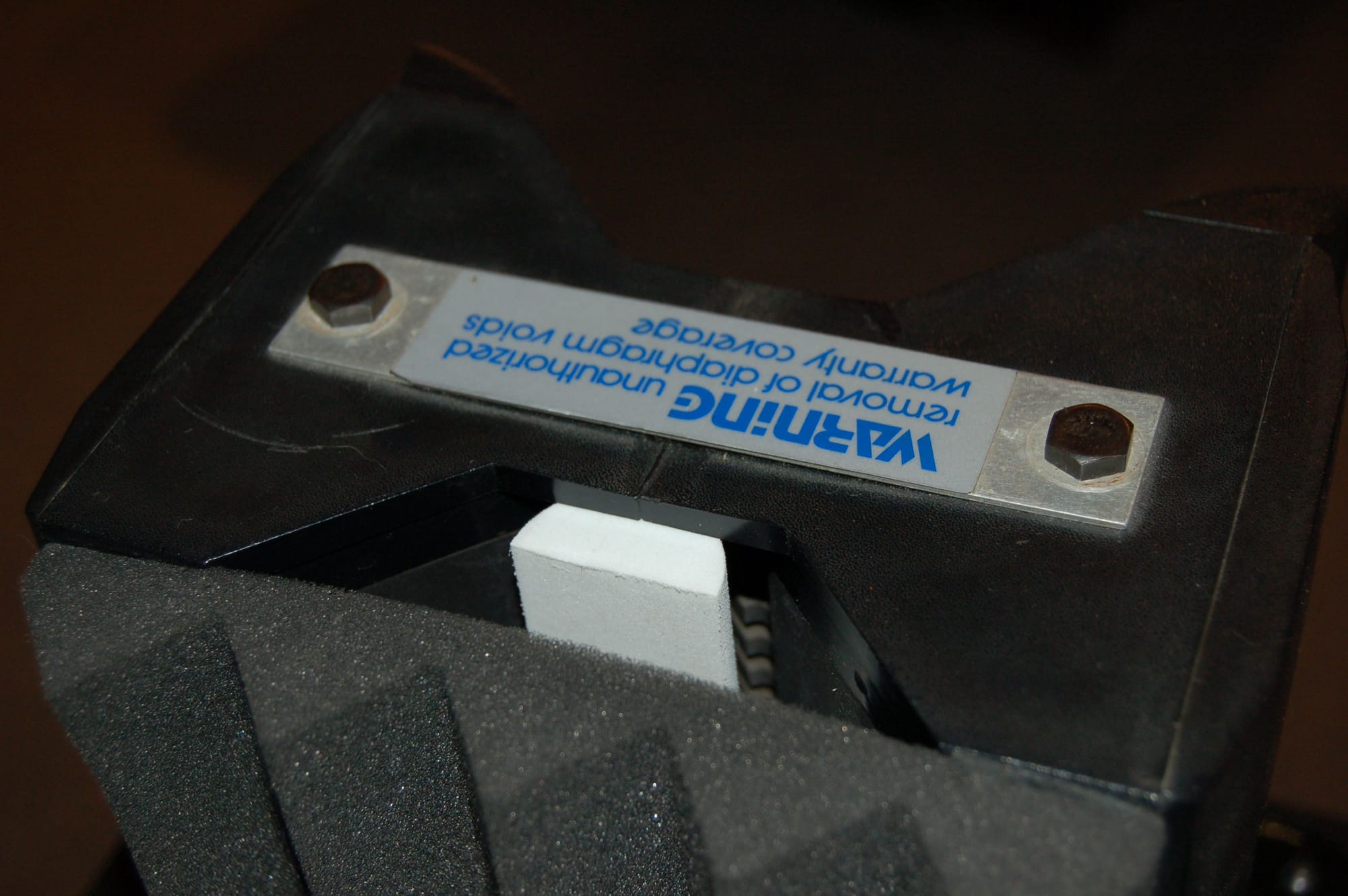
And what obstruction works? Cut it to size and the material is springy so that you can move it back and forth. I cuts with a kitchen knife. You will get a whole difference response pattern depending on whether you place the flat side or curved side toward the tweeter. The curve will actually nestle right into the tweeter's vee and the flats will fill the space making a perfect fit. And, you cannot get this into a position where it would contact the bridal veil.

https://www.michaels.com/product/24-eva-foam-half-round-dowel-by-artminds-10624918
The following shows the typical nearfield response for the Great Heil. Actually, the differences in the various Heil plots are, at least in part, as to how far the microphone was when taking the reading. The further that the mic is to the diaphragm, the more attenuated the high frequencies relative to the lower frequencies. This is because the higher the frequency, the faster it rolls off due to "atmospheric attenuation." This is not the same as "spreading losses" (i.e., 6 dB per doubling of the distance). Sound energy is lost as it vibrates the air molecules imparting some of this energy to the air, and the higher the frequency, the greater the loss. A "very nearfield" plot (i.e., at the diaphragm) will show more rise between 1 kHz and 10 kHz than shown here.
In the past, I had gone to great lengths to make a "lens" to take out the 10kHz peak, but that portion of the band is still elevated by close to 5 dB ("sound clear as light?").
Then I cross them over at 3kHz to the woofer. But the natural dip at 2kHz really brings down the curve between about 2 and 4.5 kHz creating a "hole" (dip), and the peak just above 1kHz still adds some to the woofer creating a bit of a peak in the band.
I had been putting a piece of sound insulation along the back side of the Heil to remove the rear wave and it's reflection. Using the RTA, I noticed that this "insulation" was creating a reflection that was cancelling the ~6kHz in the near field making the natural dip even worse, but with a very high "Q" factor. Removing the insulation restored the dip.
So, if that's all it takes to change the nature of the sound, what else could be done to the "rear" of the Heil with profound effects on the near field?
Any time you put something along the back of the Heil that interferes with the rear wave that creates any sort of reflection back toward the diaphragm will have profound effects on the nearfield!
I've found that I can "tune" the Heil and push that 2.8 - 5.6kHz up by over 3.5 dB to near flat removing the hole and increasing the order of the crossover below 2kHz by influencing the rear wave. The size, shape, and placement of the "obstruction" will have a profound effect on the frequency response and you really need an RTA to set it up properly.
And what obstruction works? Cut it to size and the material is springy so that you can move it back and forth. I cuts with a kitchen knife. You will get a whole difference response pattern depending on whether you place the flat side or curved side toward the tweeter. The curve will actually nestle right into the tweeter's vee and the flats will fill the space making a perfect fit. And, you cannot get this into a position where it would contact the bridal veil.
https://www.michaels.com/product/24-eva-foam-half-round-dowel-by-artminds-10624918
Last edited: