hhaammiisshh
New Member
Picked up a KA-7300 and about to start cleaning and restoring.
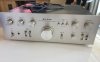
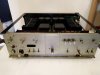
Unit is a Japanese model so branded Trio, runs on 110V and is missing the presence switch and DIN connector on the back. Also no A+B speaker select.
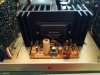
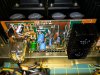
Unit is in very good condition cosmetically and the inside is a little dusty. It appears to have been cleaned a bit but some dust trapped in corners under the boards and in more difficult to reach places.
So far just taken all the covers off and made a cap shopping list. The service manual I have is for the US version I think so the control amp board layout is different. Planning to order through Mouser they seem to have a everything in stock.
Will deoxit all the switches and pots and recap the entire unit.
When tested it seem to lack a bit of power. I see an old post on here mentioning something similar. But I'll reassess this after cleaning.
Was hoping that there was a new volume/balance pot option but my research tells me that's not the case. Not that this one is particularly bad but would have preferred a new replacement.
Was also thinking to replace the relay whilst I was at it.
Some pictures of the unit attached (I know the toggle switches need to be rotated 90 deg, fortunately only one of the is glued in this orientation).
Any other advice for things to look out for on this unit gratefully received.
Planing to pair it with an Audio Technica turntable and maybe Klipsch RP-600's but not decided on these at the moment.
I'm new to this HiFi world so any suggestions also welcomed.
Unit is a Japanese model so branded Trio, runs on 110V and is missing the presence switch and DIN connector on the back. Also no A+B speaker select.
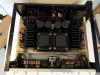
Unit is in very good condition cosmetically and the inside is a little dusty. It appears to have been cleaned a bit but some dust trapped in corners under the boards and in more difficult to reach places.
So far just taken all the covers off and made a cap shopping list. The service manual I have is for the US version I think so the control amp board layout is different. Planning to order through Mouser they seem to have a everything in stock.
Will deoxit all the switches and pots and recap the entire unit.
When tested it seem to lack a bit of power. I see an old post on here mentioning something similar. But I'll reassess this after cleaning.
Was hoping that there was a new volume/balance pot option but my research tells me that's not the case. Not that this one is particularly bad but would have preferred a new replacement.
Was also thinking to replace the relay whilst I was at it.
Some pictures of the unit attached (I know the toggle switches need to be rotated 90 deg, fortunately only one of the is glued in this orientation).
Any other advice for things to look out for on this unit gratefully received.
Planing to pair it with an Audio Technica turntable and maybe Klipsch RP-600's but not decided on these at the moment.
I'm new to this HiFi world so any suggestions also welcomed.