

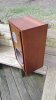
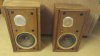
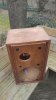
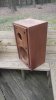
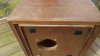
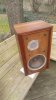
For a weekend project, I got a pair of KLH Twenty Threes (for free!), sanded, touched up dings and corner damage with epoxy putty/Mixol tobacco brown dye, blended a little with grain pen, applied 2 coats of Danish oil, put foam pipe tape under woofer surrounds, washed/flattened the grilles (still kind of gnarly in spots, but can't find THAT fabric anywhere, lol), and am waiting on some surplus 2uF poly caps from Madisound (2 in parallel per speaker) + .27ohm wirewound resistors to compensate for loss in ESR vs original electrolytics.
During the process, I learned I need to put about as much Mixol as the Quikwood can take to get the color dark enough. Epoxy lightens as it drys, and this particular putty doesn't take oil based stain at all (at least not Danish oil). The bottom corners of one cabinet are much lighter where I repaired because I didn't add enough dye. Wish I had my Mohawk putty still. That stuff was great, and took stain very well without need for dye. Also learned the importance not so much sanding to bare wood, but sanding to a near even coloration if applying a light tint oil stain like medium Walnut. There are dark and light spots where I got more or less of the original finish sanded off. I think the finished product is a vast improvement, but could have been better (before and after pictures to follow, depending on whether there's any interest in this post). Also learned that you can't divide 8 pieces of yellow insulation batts between 2 of these speakers and expect it to sound good. The original tinkerer to these speakers must have thrown out the original stuffing, and threw a couple pieces of insulation in one, and a few more in the other. It sounded......bad. I stole the insulation from a couple "donor" Criterion speakers, and it's a night and day difference. It went from muddy, distorted, bass-less, to clear, forward, with much better low end extension.
I'm going to experiment by dissolving butyl rubber sealant tape (without asphalt additive) in toluene (it's been surmised that can work), and apply that with a brush to the fabric surrounds, as the woofers, when pushed in, spring immediately back, and the weave of surround is very open when held up to light.
Questions to the veterans out there if they will be so generous as to answer (or any other inquisitive/thoughtful takers):
1) Is dissolving butyl sealant tape in toluene possible? Are there any red flags to trying this approach
2) Is the exact grille fabric or another visually/acoustically similar available?
3) Does it matter if I put the small value resistor before or following the tweeter cap to achieve ESR-like attenuation?
4) Would 1.5lbs of fiberglass batts per enclosure be about the right amount? Has anyone ever weighed how much came in their Twenty Threes?
Thanks to all.
During the process, I learned I need to put about as much Mixol as the Quikwood can take to get the color dark enough. Epoxy lightens as it drys, and this particular putty doesn't take oil based stain at all (at least not Danish oil). The bottom corners of one cabinet are much lighter where I repaired because I didn't add enough dye. Wish I had my Mohawk putty still. That stuff was great, and took stain very well without need for dye. Also learned the importance not so much sanding to bare wood, but sanding to a near even coloration if applying a light tint oil stain like medium Walnut. There are dark and light spots where I got more or less of the original finish sanded off. I think the finished product is a vast improvement, but could have been better (before and after pictures to follow, depending on whether there's any interest in this post). Also learned that you can't divide 8 pieces of yellow insulation batts between 2 of these speakers and expect it to sound good. The original tinkerer to these speakers must have thrown out the original stuffing, and threw a couple pieces of insulation in one, and a few more in the other. It sounded......bad. I stole the insulation from a couple "donor" Criterion speakers, and it's a night and day difference. It went from muddy, distorted, bass-less, to clear, forward, with much better low end extension.
I'm going to experiment by dissolving butyl rubber sealant tape (without asphalt additive) in toluene (it's been surmised that can work), and apply that with a brush to the fabric surrounds, as the woofers, when pushed in, spring immediately back, and the weave of surround is very open when held up to light.
Questions to the veterans out there if they will be so generous as to answer (or any other inquisitive/thoughtful takers):
1) Is dissolving butyl sealant tape in toluene possible? Are there any red flags to trying this approach
2) Is the exact grille fabric or another visually/acoustically similar available?
3) Does it matter if I put the small value resistor before or following the tweeter cap to achieve ESR-like attenuation?
4) Would 1.5lbs of fiberglass batts per enclosure be about the right amount? Has anyone ever weighed how much came in their Twenty Threes?
Thanks to all.
Last edited:


 Congrats on the score!