Hi Everyone,
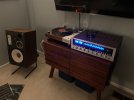
Listening to some records this evening on my 6300. I’ve had it for about 2 years, it has worked great the whole time I’ve owned it. When I first got it, I dialed in the speed, it’s been perfect since then and I’ve never had to mess with the pitch controls. Just now, I noticed the music sounded slow, I got up and saw that the strobe was moving so I fiddled with the pitch until it sounded right. Its holding now that I readjusted the pitch, I am wondering if I should be concerned about it randomly slowing down?
Recently I moved some stuff around in my music room, the speakers are now located closer to the turntable than they previously were. This change up caused me to get some vibration interference at moderate-high volumes. I unfortunately can’t go back to my old layout, but I moved the speakers around and was still having issues.
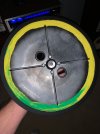
I had a similar issue with one of my old turntables that had a mostly hollow plinth. I solved this issue by packing the inside of the plinth with modeling clay from Hobby Lobby. I couldn’t quite replicate this fix with the 6300 because its construction is very different. The turntable came with aftermarket feet, that are mostly hollow stainless steel cylinders, so I filled the inside of the feet with modeling clay. I also put a strip of clay around the underside of the platter. I was nervous about messing with the platter because I didn’t want to introduce wow and flutter.
After I put the turntable back together it sounded way better, bass was much tighter, and the feedback issue was resolved. I did this two weeks ago and I’ve listened to hours of records and the deck has held perfect speed until just now when I noticed it slow down.
I hope this modification wouldn’t have stressed the motor in any way, I tried to be conservative about how much weight I added to the platter. What do the experts think?
Thanks!