• The move to the new server is done. There are some software and database maintenance updates in process. This has us passing the hat around to help out. We appreciate any donations. Seriously, even a dollar helps. The payment page may be found here - https://www.audiokarma.org/support.html

Mofi's new "Super vinyl" and Ultradisc process

phantomrebel

Serial Tapist
Can't wait to test the first album Mofi is releasing on their new Supervinyl formulation produced using the UD1S or "Ultradisc One-Step" process (https://www.mofi.com/product-p/mfsl45ud1s-008.htm). Can this be the ultimate? I don't know, but pre-ordered always. I remember the discs produced with JVC's formulation always sounded great.


SuperVinyl
MoFi SuperVinyl is a new proprietary compound developed by NEOTECH and RTI to address two specific areas of improvement: noise floor reduction and enhanced groove definition. The vinyl composition features a new carbonless dye (hold the disc up to the light and see) and produces the world's quietest surfaces. This high-definition formula also allows for the creation of cleaner grooves that are indistinguishable from the original lacquer. Mobile Fidelity Sound Lab feels SuperVinyl provides the closest approximation of what we hear in the mastering lab.
 
Register to hide this ad
Can't wait to test the first album Mofi is releasing on their new Supervinyl formulation produced using the UD1S or "Ultradisc One-Step" process (https://www.mofi.com/product-p/mfsl45ud1s-008.htm). Can this be the ultimate? I don't know, but pre-ordered always. I remember the discs produced with JVC's formulation always sounded great.


SuperVinyl
MoFi SuperVinyl is a new proprietary compound developed by NEOTECH and RTI to address two specific areas of improvement: noise floor reduction and enhanced groove definition. The vinyl composition features a new carbonless dye (hold the disc up to the light and see) and produces the world's quietest surfaces. This high-definition formula also allows for the creation of cleaner grooves that are indistinguishable from the original lacquer. Mobile Fidelity Sound Lab feels SuperVinyl provides the closest approximation of what we hear in the mastering lab.

The JVC secret vinyl formula really spoils you for low surface noise. This sounds like a step in the right direction!
 
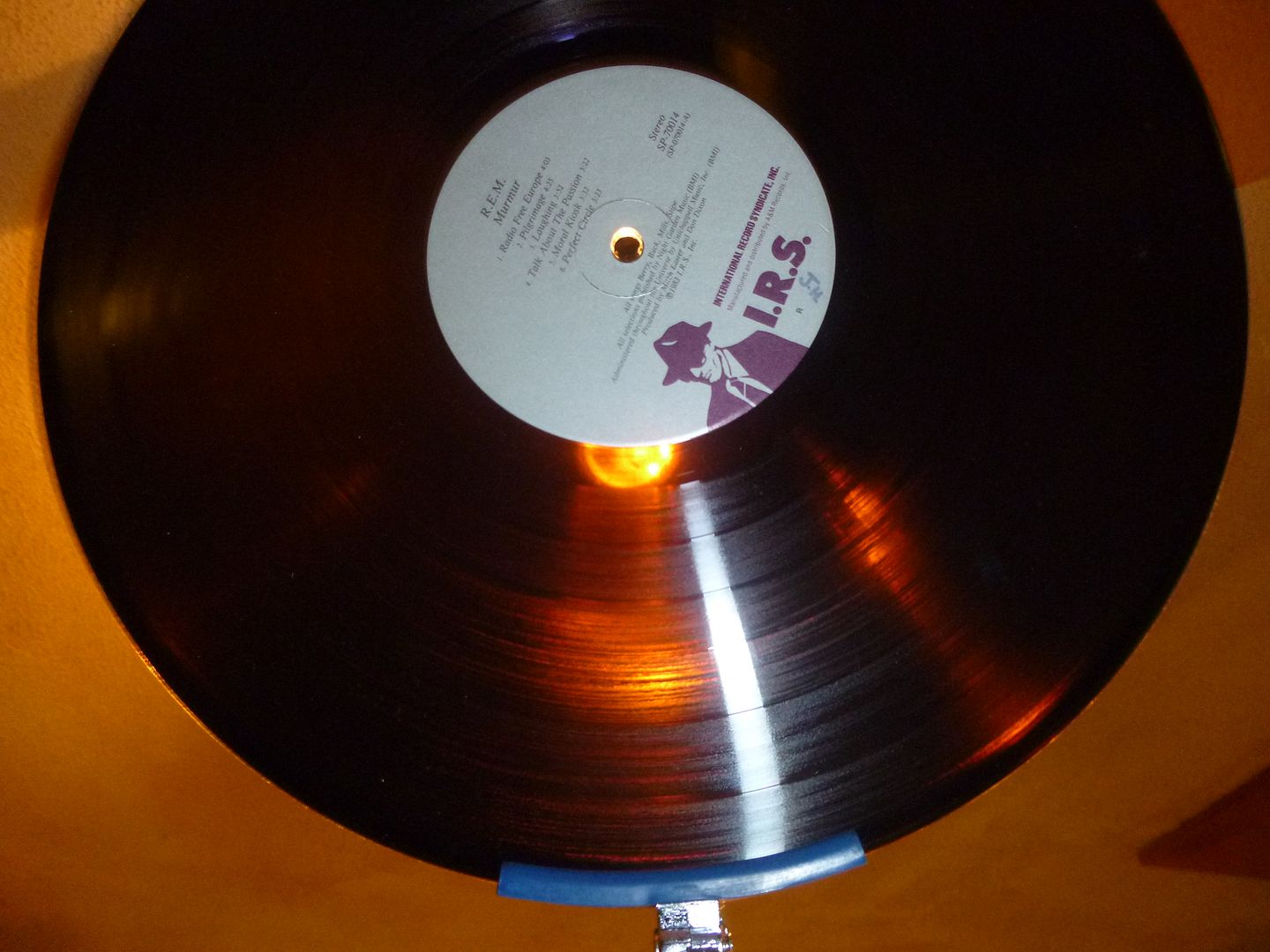
The vinyl composition features a new carbonless dye (hold the disc up to the light and see) and produces the world's quietest surfaces.
Isn't this the same thing as the "Quiex" vinyl that was used on some records in the late '70s and early '80s? It looks black when viewed normally but is translucent brown when held up to a bright light.

P1060553_zps0ciry5c5.jpg
 
Isn't this the same thing as the "Quiex" vinyl that was used on some records in the late '70s and early '80s? It looks black when viewed normally but is translucent brown when held up to a bright light.
Hard to say because they don't provide detailed formula info. Quiex left carbon black out because they claimed it "contains trace metals that become magnetized and cause electrical distortions in cartridges during playback that smears the sound", which is a bit controversial. I think their records mostly sounded great because they used 100% virgin vinyl (recycled vinyl would have added colorant). I'm trying to find more about the Mofi formula, but at least it is refreshing to see producers starting to care again about their vinyl formulations and stamping process. Certainly an effort worth supporting (hopefully costs will come down).
 
Last edited:
Isn't this the same thing as the "Quiex" vinyl that was used on some records in the late '70s and early '80s? It looks black when viewed normally but is translucent brown when held up to a bright light.
Yes, just different names and formulas, Supper Vinyl, Performance Vinyl, Quiex. JVC trade marked Supper Vinyl back in the mid 70s to also use it with CD4 Quad records. All through the 80s there was lots of records made with this formula and similar. Classic Records got their start in the early 80s making Promo records that where mastered different and used their vinyl mix and they called it Quiex.

When the record labels drifted to CDs only/mostly Classic Records started to get licences to do reissues and continued with their formula and making records. When we had the financial crises in 2008 Classic Records went under because they had a lot of credit out to the small record stores that also went under.

Acoustic Sounds ended up buying Classic Records, got all the rights to everything. So now when you buy a Analogue Production or APO record your really getting the Quiex formula in all those records. Acoustic Sounds also opened up their own pressing plant in 2010 called Quality Record Pressing (QRP), they bought more presses in 2015 that made them the largest US pressing plant. Also in 2015 they bought Doug Sax Mastering Lab. So they really can do everything under one roof and have really upped the game. They have been making 200g 45rpm and 33.3 records on the Quiex vinyl.

All the while MFSL have been sitting on their hands. MFSL is starting to play catch-up with new 45rpm issues, and these new one-step and getting better vinyl.
 
The "one step" process needs a little clearing up. From the mater tape, they make the lacquer (positive), then they make the convert (negative) and then they press the record (positive). So if we count generations, the master is #1, the lacquer is #2, the convert is #3 and the record we all get to buy is #4.

I remember from years ago that records were at least 5 generations from the original tape.

I'm not sure why they called it a one step process as I count 3. Maybe its the new math.

Of course these records are a very limited pressing, so there was no need for multiple converts.
 
For those that don't know the process: They cut the "dead wax" from the master tape and the cutter head on the lathe makes grooves on the dead wax blank. Then they take the dead wax with the grooves cut in it and put it in a plating take and produce a metal disc that now is the opposite of grooves, or I guess you could call them peaks. These convert plates with the peaks are put into the press that makes the records with the grooves.
 
The "one step" process needs a little clearing up. From the mater tape, they make the lacquer (positive), then they make the convert (negative) and then they press the record (positive). So if we count generations, the master is #1, the lacquer is #2, the convert is #3 and the record we all get to buy is #4.

I remember from years ago that records were at least 5 generations from the original tape.

I'm not sure why they called it a one step process as I count 3. Maybe its the new math.

Of course these records are a very limited pressing, so there was no need for multiple converts.

For those that don't know the process: They cut the "dead wax" from the master tape and the cutter head on the lathe makes grooves on the dead wax blank. Then they take the dead wax with the grooves cut in it and put it in a plating take and produce a metal disc that now is the opposite of grooves, or I guess you could call them peaks. These convert plates with the peaks are put into the press that makes the records with the grooves.

What you are trying to convey is this.

The mastering lab masters from the master tape or digital file and they cut a lacquer disc. It's similar to a record but far to soft to play more than a couple times.

The lacquer then gets shipped to a pressing plant. They plate the lacquer with silver and then copper. They then peal the metal from the lacquer and it's a negative just like a stamper. But instead of using just that one negative to press records from they plate that negative to make a "Mother". A mother now resembles the original lacquer that got distorted plating it. They then take the mother and play to listen and clean or fix the grooves. This mother now can be plated and pealed many times to make more negatives that are the metal stampers they put in the presses.

I think what they are doing with the one-steps is, making multiple identical lacquer disc at the mastering lab, maybe 5-7. They then plate them and get the 1st negative, but do the negative with more plating so it can be used as the stamper. Doing it this way they do not need a mother to make a bunch of stampers from. It will be closer to the cut the lathe made at the mastering lab.

So One Step means one plating step instead of three thats normally done
 
Last edited:
My only duplicate scenario MoFi vs. other is an excellent condition DSOTM vs. a nice, clean Wally version, and the MoFi offers a notably improved overall sound to my ears.

That said, would this https://www.mofi.com/product-p/mfsl45ud1s-008.htm sound even better than my other MoFi LP's on my system (Marantz 6300 with Ortofon 2M Bronze through 2275), or would a superior TT and cart be required to hear a markedly improvement enough to justify the cost?
 
I bought the first four OneStep releases. While the SQ is very good, the price increase makes the buck stop here. I'm finished.
 
My only duplicate scenario MoFi vs. other is an excellent condition DSOTM vs. a nice, clean Wally version, and the MoFi offers a notably improved overall sound to my ears.

That said, would this https://www.mofi.com/product-p/mfsl45ud1s-008.htm sound even better than my other MoFi LP's on my system (Marantz 6300 with Ortofon 2M Bronze through 2275), or would a superior TT and cart be required to hear a markedly improvement enough to justify the cost?

I've got two decent Wally's and the Japanese first press as well as Pro-Use of DSOTM that I need to do a comparison on. The Bronze isn't bad with surface noise but this record definitely benefits from a quiet background (ie. the more recent Bernie Grundman) so even mid-range carts should see a benefit.
 
Back
Top Bottom