• The move to the new server is done. There are some software and database maintenance updates in process. This has us passing the hat around to help out. We appreciate any donations. Seriously, even a dollar helps. The payment page may be found here - https://www.audiokarma.org/support.html

Multi section electrolytic capacitors

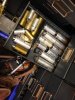
I have at least 100 nos CD brand electrolytic capacitors that have been in my parts bins for years. Anyone have any idea if they may be viable for use? I can test them with my sencore capacitor anylizer, but I am concerned about their longevity once in use. Some are even in their original boxes. McINtosh power amps and preamps over fourth years old still work with the caps that it came from the factory with, the nos that I have were not subject to the intense conditions that used caps were subject to.


Dave
 

Attachments

  • image.jpg
    image.jpg
    86.1 KB · Views: 61
Last edited:
Register to hide this ad
1) electrolytics age, running 40+ year old amps on original filter caps is a good way to end up having to buy expensive replacement parts.

2) they tend to last better in use than on the shelf.
 
It seems such a shame to throw out the vintage parts. I have literally thousands of various capacitors, resistors, transistors and tubes that I was given fifteen or so years ago by Muzak when they moved from there Long Island City location. Lots of the capacitors, the non electrolytic types are probably great for restoring antique table radios using original looking parts.
 
My success rate with old twist-loc cans has been less than stellar. That said, if they give low leakage at full rated voltage, the correct value and low DF, the odds of them failing quickly are pretty low. My guess is very few, if any, will pass those three tests. Anything less than those three tests is insufficient. Something else to watch for is noise during the leakage test. If you see noise or noise spikes, the meter jumping a bit, the cap is too risky to use, regardless of the actual readings. The slower you reform them, the better you're chances.
 
As Sam suggested, good cans for restuffs. I have not looked at the values very closely. I don't think they are the values I need for the MC 240 I am restoring. I am going to play with the sencore tester and these caps when time allows.
 
Last edited:
I dedicated the post you.. you could at least link your "Capacitor adventures" on other AK threads.

LOL.... just kidding but would help get the hang of it.
 
Ditto on recommendations. When possible, I will buy box lots of NOS electrolytic capacitors and store them for parts. I cut them open (no need to be neat, just hack them open) for the new mounting ring. How many times have you broken off one of the four (or three) lugs when you remove and try to re-install a vintage "FP" type can? Also, new capacitors often come with new phenolic wafers in the box.

Electrolytics that are 30 or more years old are very suspect.
 
I have probably 100's of phenolic wafers and steel mounting wafers, some day I have to write down what I have and post it somewhere. Lots of electronic hardware too!
 
I have a box of 24 or so CE can caps (less than 3 years old). Hopefully they'll stay functional until I can use them all!!

-D
 
You could try to re-form them. If you have a supply that can run them up to rated voltage, wire them up with a resistor to limit current, say something in the 2.2-4.7k range. Monitor leakage current over a day or so and see what you get. Once formed up, I'd give them a full ESR, value, and leakage test to see how good they actually are before even considering using them. Honestly though, I'd be much more tempted to file them in the round bin and buy new ones.
 
You could try to re-form them. If you have a supply that can run them up to rated voltage, wire them up with a resistor to limit current, say something in the 2.2-4.7k range. Monitor leakage current over a day or so and see what you get. Once formed up, I'd give them a full ESR, value, and leakage test to see how good they actually are before even considering using them. Honestly though, I'd be much more tempted to file them in the round bin and buy new ones.

Very good advice on all points. If you live on a budget (read maybe retired etc.) you may be tempted to use old components like electrolytic capacitors. About the only "vintage" capacitor I would use is a film capacitor which was made with Mylar, not paper. Plastic case, ceramic case, it doesn't matter because of the acid used in the manufacture of the paper. That, with moisture is what kills them.
 
I wish I could find a place to buy empty cans. There has to be some out there that never got stuffed.
 
It seems such a shame to throw out the vintage parts. I have literally thousands of various capacitors, resistors, transistors and tubes that I was given fifteen or so years ago by Muzak when they moved from there Long Island City location. Lots of the capacitors, the non electrolytic types are probably great for restoring antique table radios using original looking parts.

What tubes do you have?
 
It seems such a shame to throw out the vintage parts. I have literally thousands of various capacitors, resistors, transistors and tubes that I was given fifteen or so years ago by Muzak when they moved from there Long Island City location. Lots of the capacitors, the non electrolytic types are probably great for restoring antique table radios using original looking parts.

I trust my Sprague TO 6 that tests at rated voltages, or above if I want it to, just to make it harder on the cap. Of course you always want to take proper safety precautions when testing any component, but especially older ones.
 
The TO-6 is a nice piece. I had one here in my grubby little mitts for a while, but it's owner had the nerve to want it back. :D


I have an old Solar cap tester. It uses a lamp for a leakage indicator rather than an actual meter to directly tell you whats going on, but its decent enough for my tube needs. Doesn't do so well for SS. Sandland stuff is all either too low a voltage, too high a value, or both. At some point, I would like to own a nice Sencore cap tester that will do anything under the sun. I think I'd still hang on to the Solar though. Its too cool and too clean. Still rocks its original cloth wrapped cord, plug, and test leads some 80 years later. Its got the original manual with it too.
 
Back
Top Bottom