• The move to the new server is done. There are some software and database maintenance updates in process. This has us passing the hat around to help out. We appreciate any donations. Seriously, even a dollar helps. The payment page may be found here - https://www.audiokarma.org/support.html

new to soldering

I can tell you the quality of my soldering has gone up with the quality of my iron. Used the cheap pencil for years, then went to a $50 station and a year or so to a $130 Weller. Everyone who has used my new iron has commented on how good it is. My recent amp build went way easier, neater and was less stressful. The iron automatically adjusts heat for the size tip in it. It is always perfect for the application.

If you decide you like soldering and want to build projects in the future, buy the best iron you can.
 
Until you have developed some expertise always wear long pants.:D

Also, never or solder or fry bacon naked no matter how tempted you might be...

Consider getting some cheap kits to practice soldering before you move onto something important to you. It really isn't all that hard, you just need to get practice.
 
Make sure parts are clean with no corrosion, glue, tape gunk, etc..
Solder runs to heat, but if you use too much heat, it will simply run off.
If you practice with that gun and learn how to use it just to heat the parts, you will get a much better feel for controlling your heat than using a station.
Remember, you can always pull the gun away from contact with the part to let it cool some (just like with cooking on the stove).


If you want to use that gun, get some different gauge wires (to learn how heat transfers through small diameter wires vs larger diameter wires) and practice tinning the ends without bubbling the insulation but still getting the solder to flow around and through the wire. Then practice soldering the wires together. When you solder the wires together and can't pull them apart at the solder joint no matter how hard you pull, then you're getting it right. As stated though, for boards or heat sensitive parts, you're better off with a station, but it doesn't sound like that is what you'll be doing. So just practice with what you have.
 
amason3 beat me to it... make sure any connection you attempt to solder is shiny and clean. You cannot solder tarnished or corroded leads; the solder simply will not adhere to it.

A little Scotchbrite pad is good for this, better than steel wool as it doesn't shed.
 
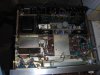
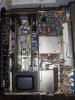
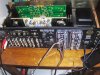
yea ok ,,clean seems to be the key i have a pencil tip coming..gonna break it in on some speaker conectoors and such.. later after i get better and uograde to a good workstation i have a vintage technics that is starting to get fuzzy sound(thought stylus on turntable was going but it is the amp),going to see about repairing it with guidance of course,,maybe i can be a tech type guy like the others here,,thanx people,,oh here are some pictures of the amp,do you think it could be something i could handle???
 

Attachments

  • HPIM7883.jpg
    HPIM7883.jpg
    92.4 KB · Views: 9
  • HPIM7884.jpg
    HPIM7884.jpg
    119.6 KB · Views: 6
  • HPIM7885.jpg
    HPIM7885.jpg
    121.6 KB · Views: 6
Back
Top Bottom