• The move to the new server is done. There are some software and database maintenance updates in process. This has us passing the hat around to help out. We appreciate any donations. Seriously, even a dollar helps. The payment page may be found here - https://www.audiokarma.org/support.html

Newby Question - those wrapped wires - how to remove?

rlordjr

New Member
I'm learning as I go with a 6160 receiver and want to test parts on the pre-amp board (I've got one weak channel and hissing). This board sits vertically and has long pins/leads off the board which go to the underside. The wires attached to each of these pins looks like it is just tightly wound around the pin (6 or 8 wraps I'd guess) but not soldered? Seems like to remove the board I'd need to remove these wires but I didn't want to just cut them off. Is there a trick to unwinding or otherwise pulling them off the pins in a non-destructive way? Are they actually soldered on? Thanks for any help.

 
Register to hide this ad
They are just wrapped, not soldered.

There is usually a way to manipulate the board to work on it without disturbing the wire wraps. If you absolutely must remove one or a few, unsolder the pin from the board leaving the wire wraps intact then solder the pin back in when finished. Cutting the wire is a last resort and the result usually looks horrible
 
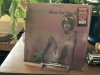
Dave Pike – Jazz For The Jet Set

Nature Sounds/US/2020


Bass – Bob Cranshaw (tracks: A1, B1, B3, B4), Jimmy Lewis (2) (tracks: A2 to A4, B2)
Drums – Bruno Carr (tracks: A1, B1, B3, B4), Grady Tate (tracks: A2 to A4, B2)
Guitar – Billy Butler
Marimba – Dave Pike
Organ – Herbie Hancock
Soloist [All Other Trumpet Solos] – Clark Terry
Soloist [Trumpet Solo] – Martin Sheller* (tracks: B3), Melvin Lastie (tracks: B2)
Trumpet – Clark Terry, Martin Sheller* (tracks: A1, B1, B3, B4), Melvin Lastie (tracks: A2 to A4, B2)


image.jpg
 
Dave Pike – Jazz For The Jet Set

Nature Sounds/US/2020


Bass – Bob Cranshaw (tracks: A1, B1, B3, B4), Jimmy Lewis (2) (tracks: A2 to A4, B2)
Drums – Bruno Carr (tracks: A1, B1, B3, B4), Grady Tate (tracks: A2 to A4, B2)
Guitar – Billy Butler
Marimba – Dave Pike
Organ – Herbie Hancock
Soloist [All Other Trumpet Solos] – Clark Terry
Soloist [Trumpet Solo] – Martin Sheller* (tracks: B3), Melvin Lastie (tracks: B2)
Trumpet – Clark Terry, Martin Sheller* (tracks: A1, B1, B3, B4), Melvin Lastie (tracks: A2 to A4, B2)


View attachment 2825493

Wrong thread...
 
They are just wrapped, not soldered.

There is usually a way to manipulate the board to work on it without disturbing the wire wraps. If you absolutely must remove one or a few, unsolder the pin from the board leaving the wire wraps intact then solder the pin back in when finished. Cutting the wire is a last resort and the result usually looks horrible
Thanks. unsoldering the pins looks easier to me
 
Wire wrap is an effective way to make an electrical connection. However, it is primarily used as a labor saving and quality control step for the manufacturer. Strip, place and fasten in just a few steps with one tool. When you are making 10,000 identical units, what’s not to like? From an electron flow standpoint it has no advantage over a well made solder joint.

I try to maintain the wraps where possible (and even own a wire wrap gun), but have no qualms about reattaching a wire to a pin with solder if it’s more convenient. I find that removing the pins with soldering iron heat can put stress on some boards.

BTW, there are wire wrap removal tools, but they are a bit expensive. They are usually on the end of manual wire wrap tools.
 
Back
Top Bottom