


amirnir
New Member
Hi there!
I decided to revive this amp after it been in storage for almost 20 years.
I do remember, last time I connected it one channel was off, so now, when starting to repair I decided to recap it all and replace the transistors, following multiple recommendations here in AK, in such cases.
After finishing with replacement and soldering, I turned it on and no sound came out, immediately I found both 1.6A fuses were blown.
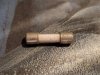
The first question I have - maybe silly (I'm just an amateur audio enthusiast), the original type of fuses in this amp had kind of white layer under the glass, where the new fuses I used are made with regular transparent glass - is there a major difference between the two? (photos attached).
Next question - What will be the best method to troubleshoot this issue? Where should I start?
Is there a better way to work on such a project, eliminating the use of regular fuses until the problem is solved? (just so I won't have to spend new fuses until I repair it completely)
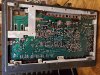
As you can see in the photos, the amp wasn't in good physical condition. I suspect the storage unit where it spent the last two decades was somewhat damp. When desoldering the components as carefully as I could, some solder joints on the printed circuit broke and I had to use jumpers. I checked thoroughly all the new soldered joints to see there is continuity and not any unwanted shortages before turning it on.
As I mentioned, I do have good experience with soldering, I have a multimeter, but no oscilloscope.
Will be very glad to have your opinion as always


I decided to revive this amp after it been in storage for almost 20 years.
I do remember, last time I connected it one channel was off, so now, when starting to repair I decided to recap it all and replace the transistors, following multiple recommendations here in AK, in such cases.
After finishing with replacement and soldering, I turned it on and no sound came out, immediately I found both 1.6A fuses were blown.
The first question I have - maybe silly (I'm just an amateur audio enthusiast), the original type of fuses in this amp had kind of white layer under the glass, where the new fuses I used are made with regular transparent glass - is there a major difference between the two? (photos attached).
Next question - What will be the best method to troubleshoot this issue? Where should I start?
Is there a better way to work on such a project, eliminating the use of regular fuses until the problem is solved? (just so I won't have to spend new fuses until I repair it completely)
As you can see in the photos, the amp wasn't in good physical condition. I suspect the storage unit where it spent the last two decades was somewhat damp. When desoldering the components as carefully as I could, some solder joints on the printed circuit broke and I had to use jumpers. I checked thoroughly all the new soldered joints to see there is continuity and not any unwanted shortages before turning it on.
As I mentioned, I do have good experience with soldering, I have a multimeter, but no oscilloscope.
Will be very glad to have your opinion as always


 )
)