• The move to the new server is done. There are some software and database maintenance updates in process. This has us passing the hat around to help out. We appreciate any donations. Seriously, even a dollar helps. The payment page may be found here - https://www.audiokarma.org/support.html

Pioneer SX-1000tw Surprise!

moodyj2000

Member
About a year ago I picked up a SX-1000tw and a pair of CS-66 speakers from a guy selling a family members equipment that had passed. No information and it was a good deal. Cabinets were in great condition. Tossed everything on a shelf in the workshop and forgot about it.

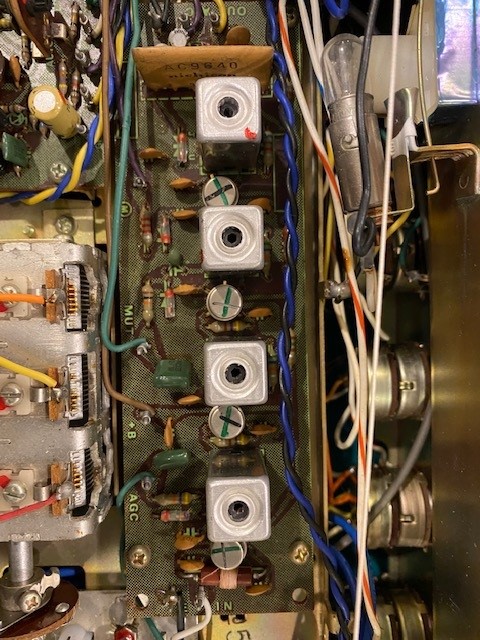
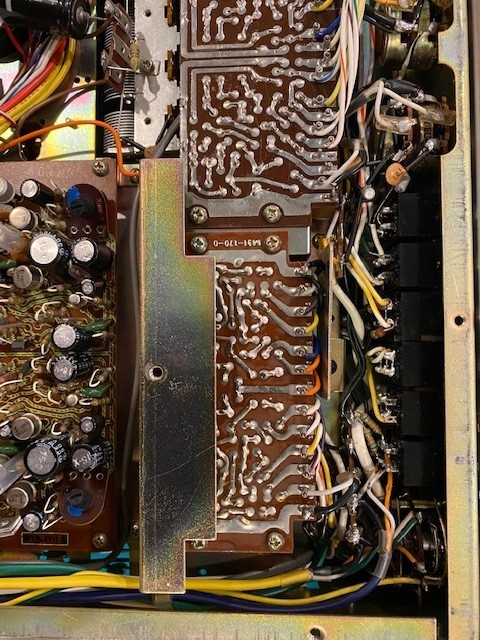
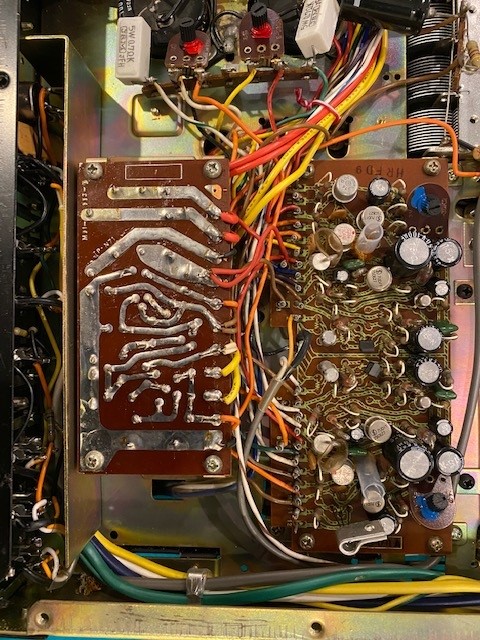
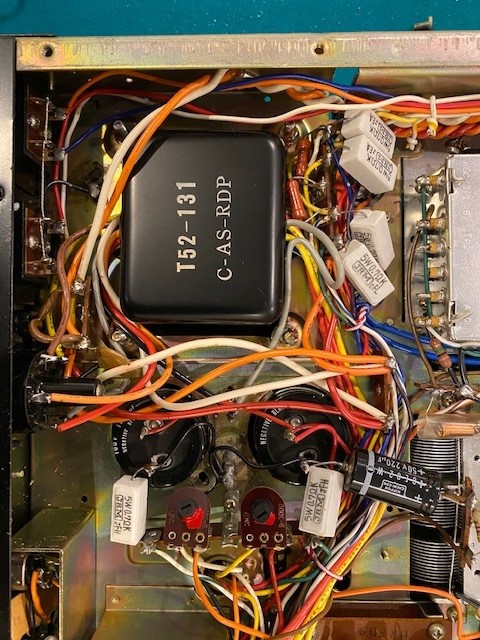
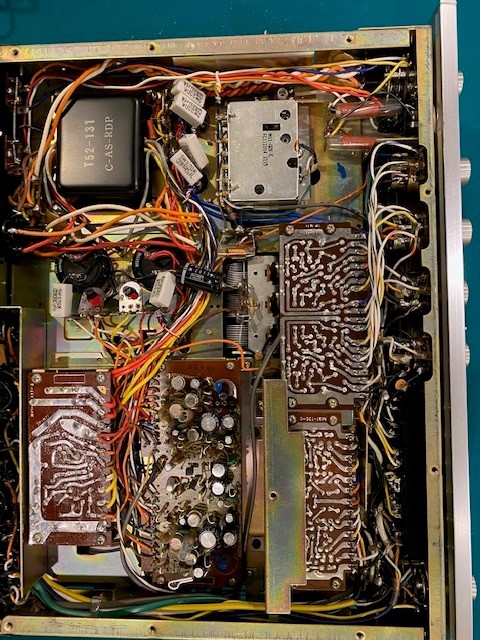
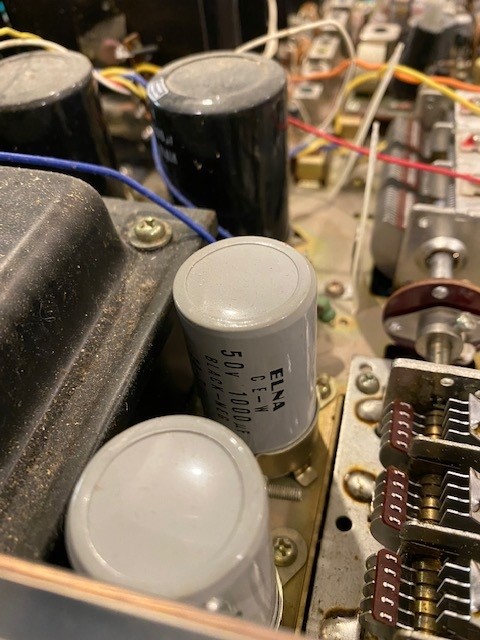
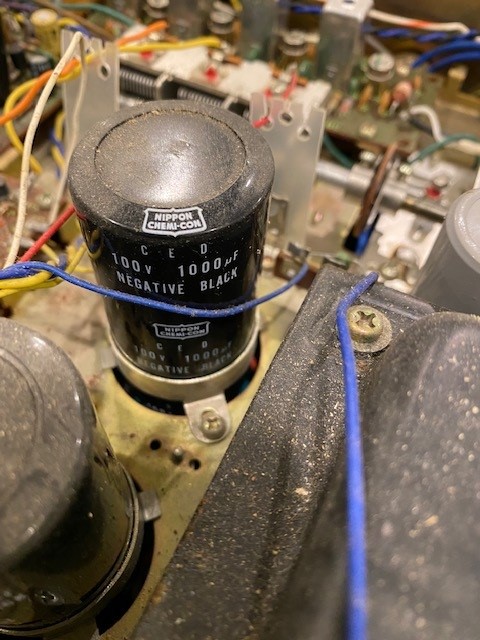
Last night I opened up the receiver to see what condition it was in. To my surpsise everything was really clean. The bottom looks brand new and the top had dust that was probably from my shop. I am no expert but this thing looks like it could have been worked on before. The main capacitors look different from units I have seen being refurbished.

Any thoughts? Any ideas on how to proceed on testing it?
 
Register to hide this ad
all i get is: "You do not have permission to view media within this album."
 
you fixed it, they show up now....
Any thoughts on what you can see in these? Been a while since I have done any testing. I am a mechanical engineer and very much not an EE. I have a DMM and a digital oscilliscope. Enough tools to be dangerous. I plan on building a DBT since I have this and a Fisher 400 to go through. These are my personal units so I was planning on cutting my teeth on the SX-1000tw before I even begin to look at the 400. Tubes versus transistors.
 
Stepping back a bit (to my usual silent overwatch), giving others breathing room to play in this thread.
 
The Elna's and, especially the Nippon Chemi-Cons appear to be bulging on top. If so, I'd replace them. If you must try it first, bring it up slowly on a variac and a dim bulb tester.
 
Push on the tops of the Main caps. If they collapse and spring back up, IT IS NOT an indication the caps are bad. The plastic overwrap has shrunk from heat and cool cycles and is warping the top circular piece. It's aesthetics and not indicative of whether the cap is bad or not. Unless it's humming, I'd leave them be for the time being. Bring it up on a DBT and if the DBT dims down, then put it to Wall voltage and check your voltages on the power supply against the schematic. If within 10% go ahead and connect speakers and get a baseline on SQ, switch and pot operation, etc.

If a smaller electrolytic without the plastic on top (it may have burst lines built in) is bulging on the top, then yes it's most likely bad or getting there. Test and replace as needed.
Thinks for a path forward on this. Getting my test bench up and running tonight. Been a while. This is a side project. Main focus is the Fisher 400 I just got in. Cleaning that first and then testing. I've read a ton of your articles. I am working on CAD to draw the schematics for the Fisher and planning the modifications before I even start. Want to take my time and get that one right.

Thanks for your service! Spent 14 years in the Navy (8 active, 6 reserve) myself!
 
Back
Top Bottom