• The move to the new server is done. There are some software and database maintenance updates in process. This has us passing the hat around to help out. We appreciate any donations. Seriously, even a dollar helps. The payment page may be found here - https://www.audiokarma.org/support.html

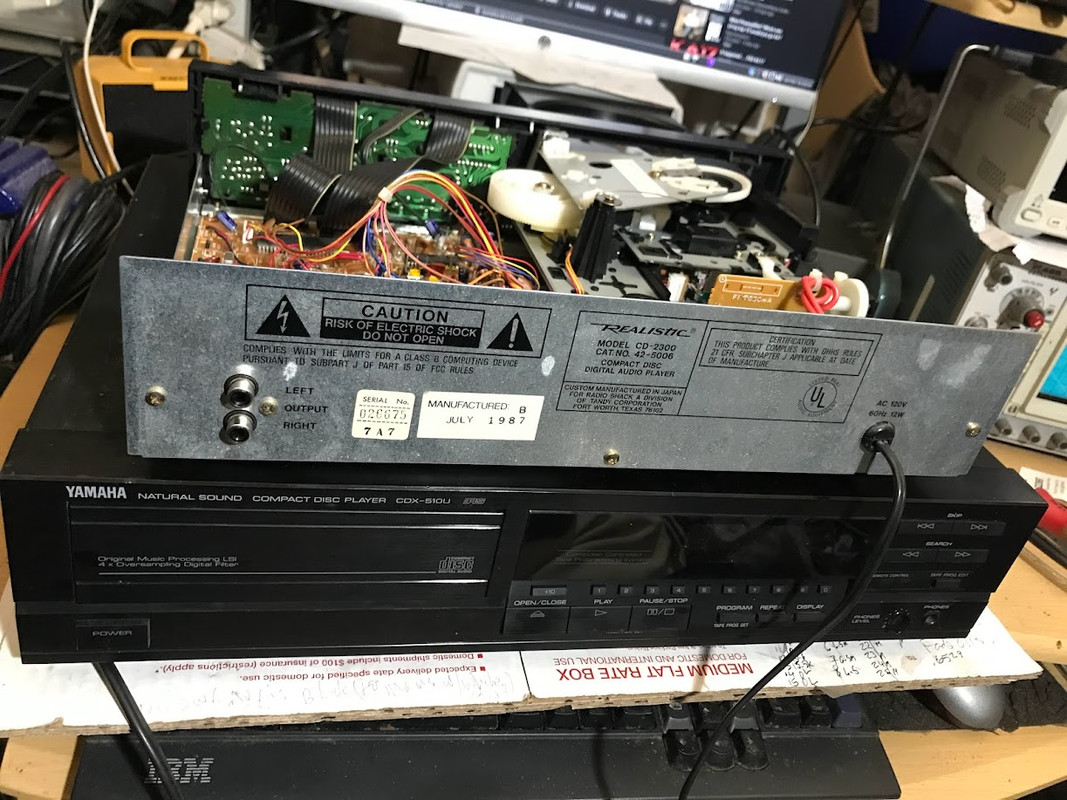
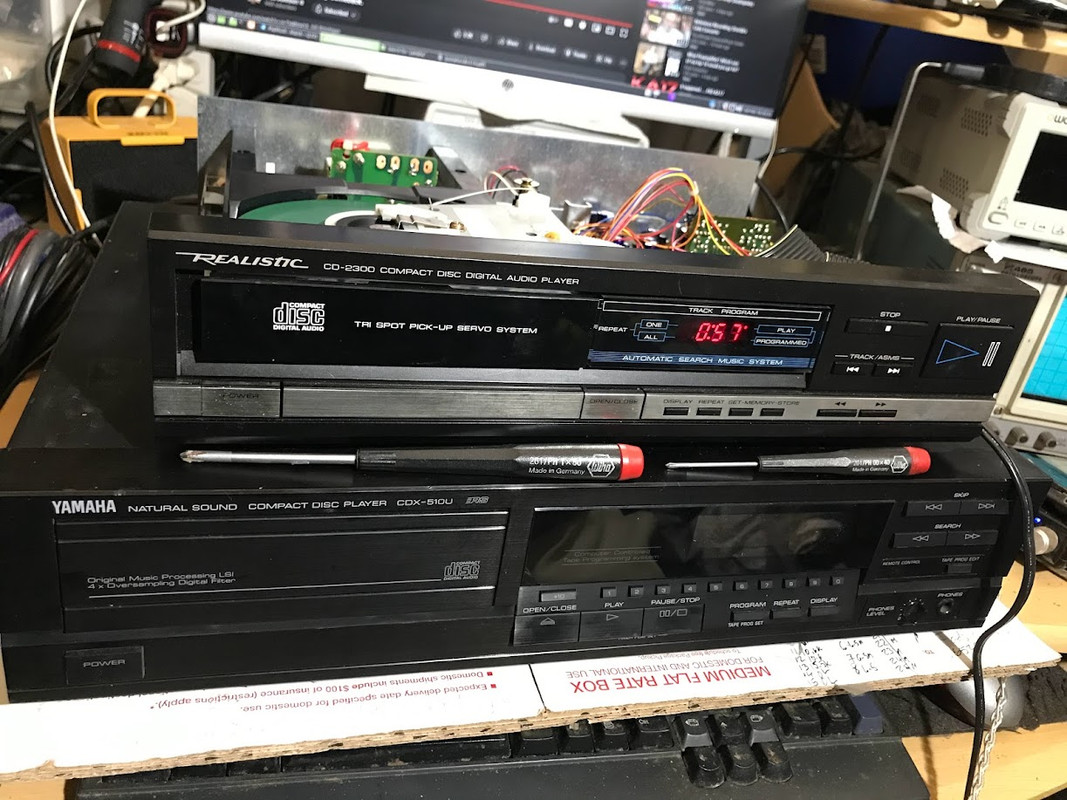
Realistic CD-2300 (Radio Shack, 1987, made in Japan)

13mh13

Active Member
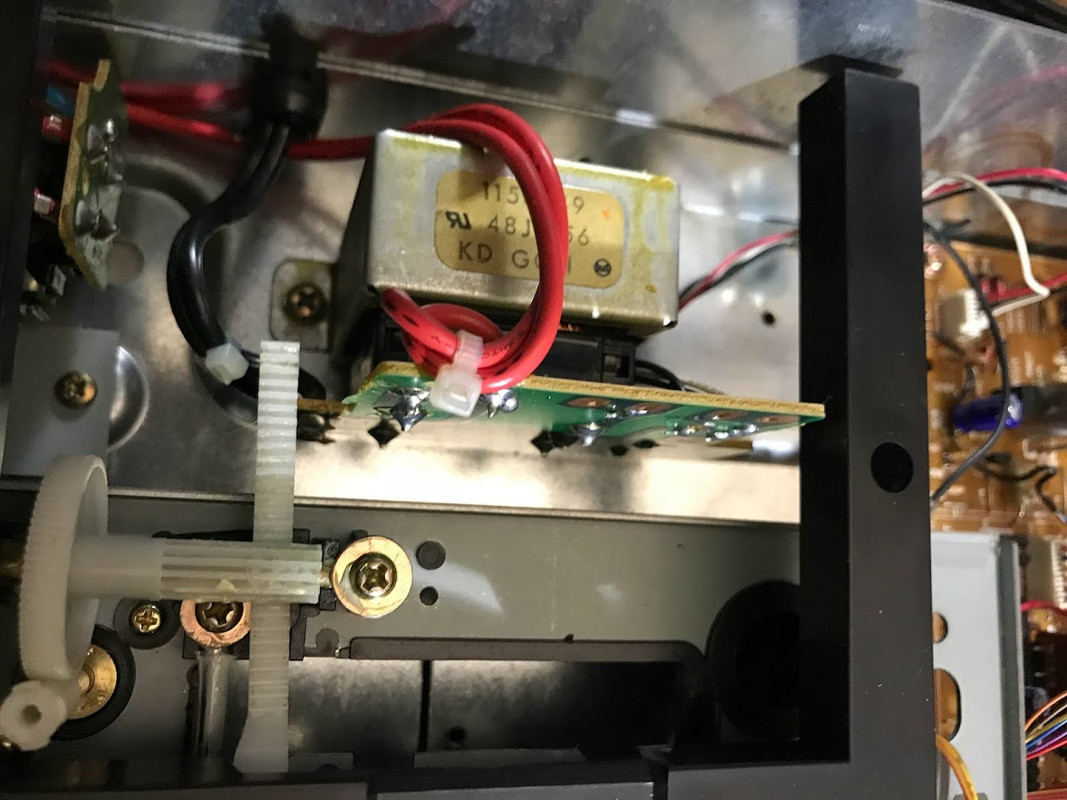
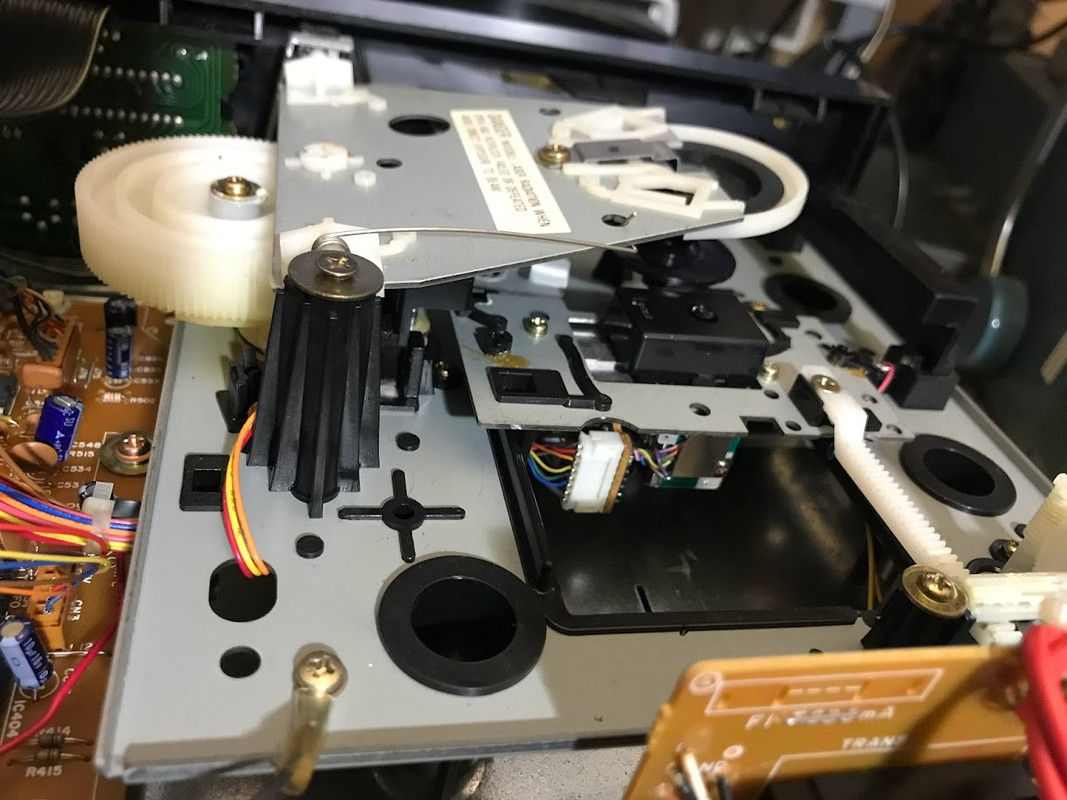
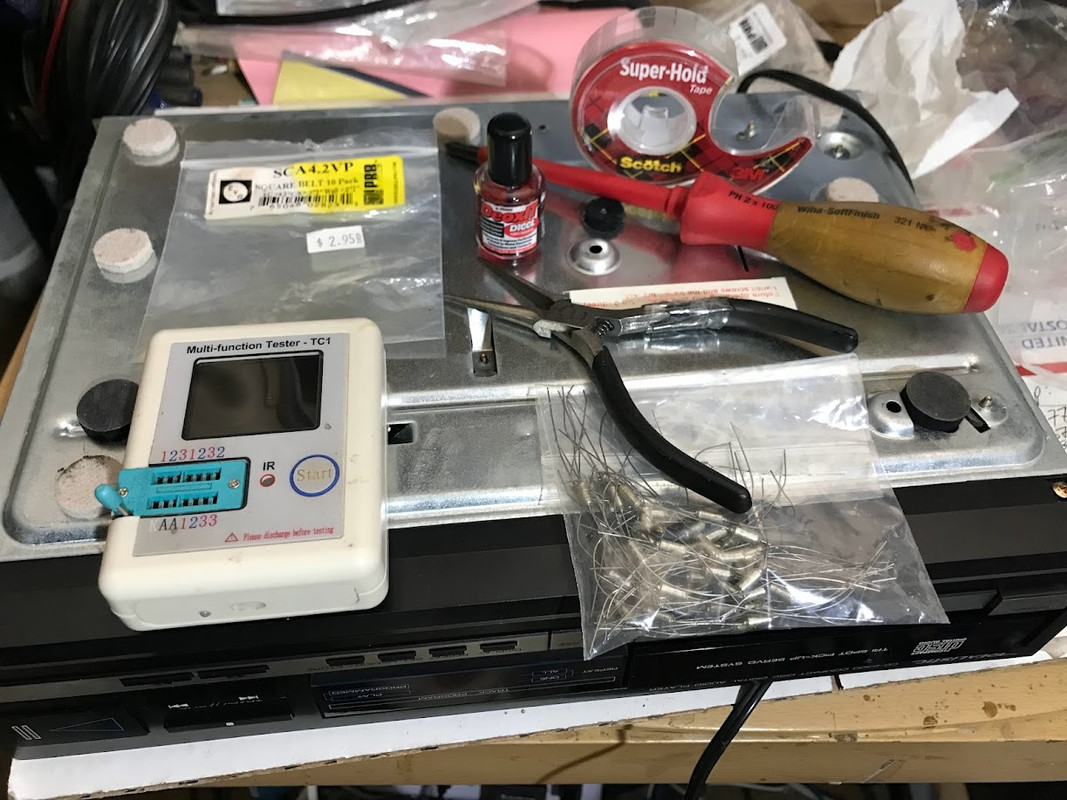
A thrift find which came as "not working" so got it v. cheap. The rack (linear) plastic-tooth gear had broken at screw hole where it attaches on the laser assembly. One could hear it rattling inside the CDP. Used superglue for temp. repair. Working, now!
Lubed and greased motor shaft, drive train, etc. No other mods other than clean and treat all jacks and PCB connectors with DeoxIT.
The CD-2300 seems very similar to certain Kenwood CDPs of this era (like DP-460)
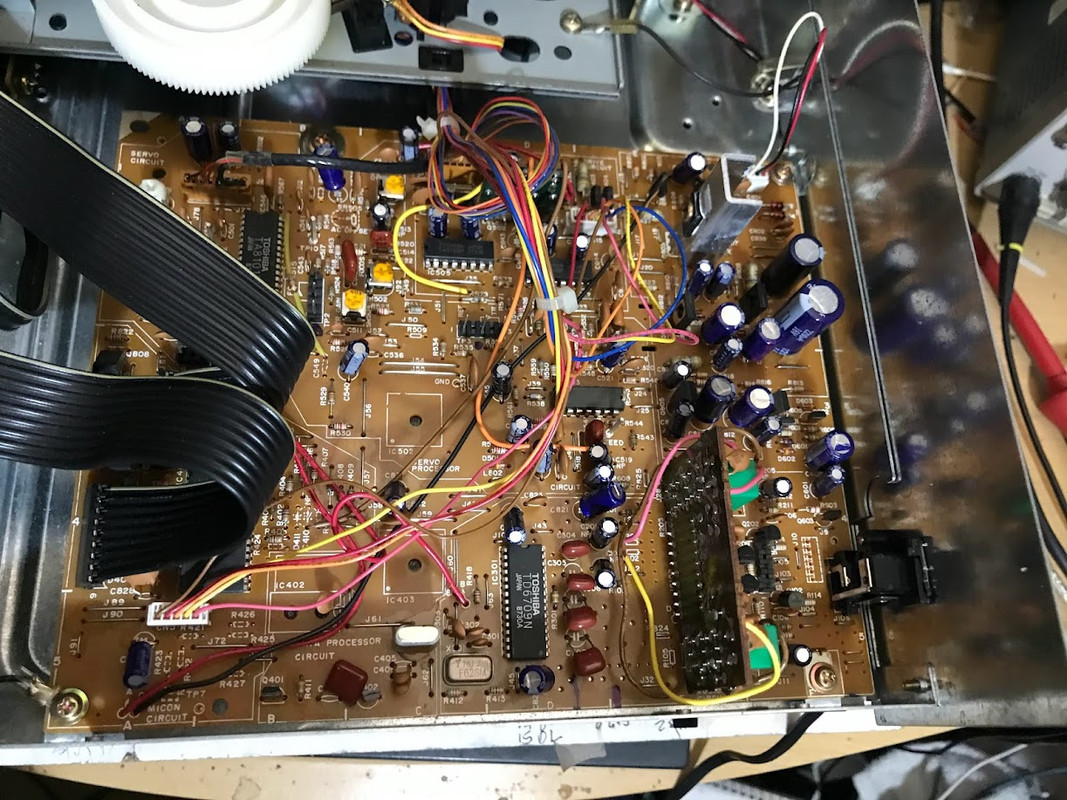
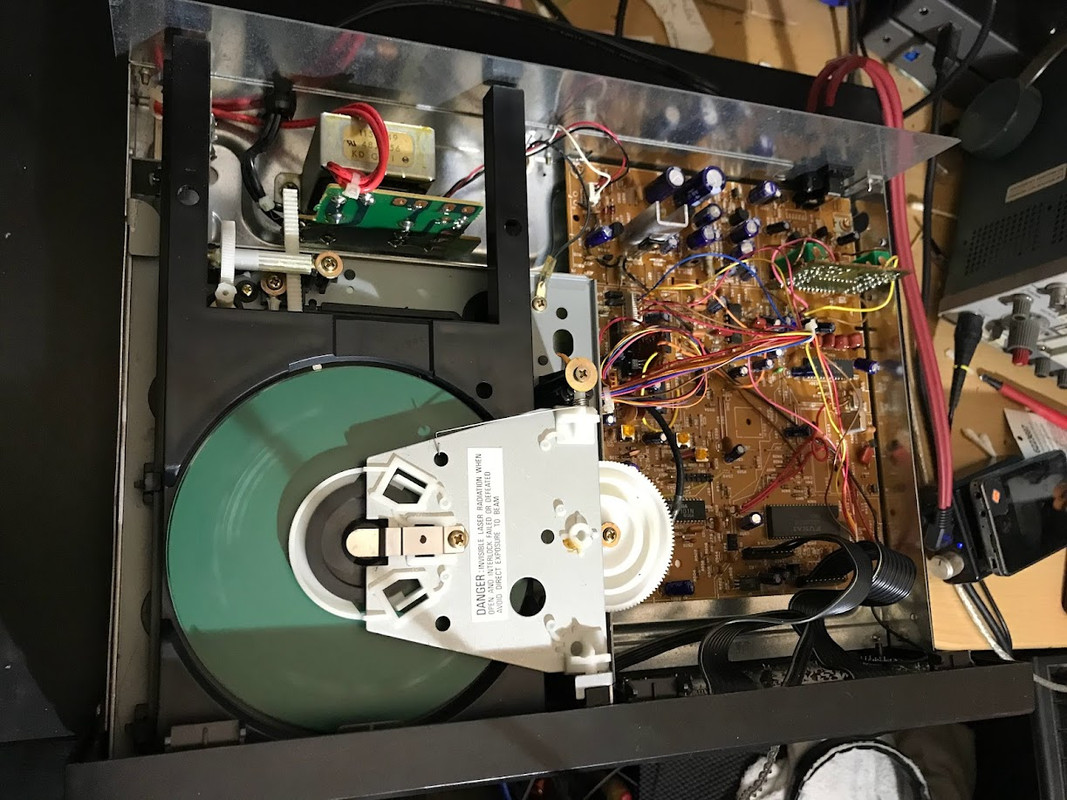
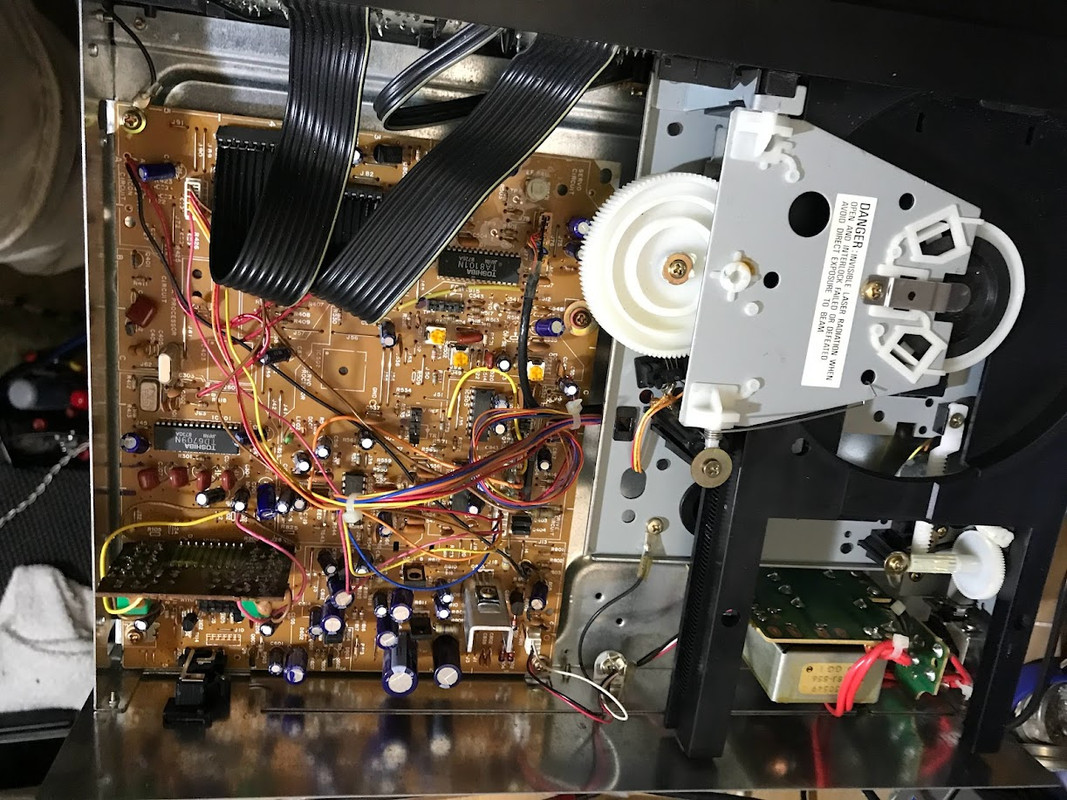
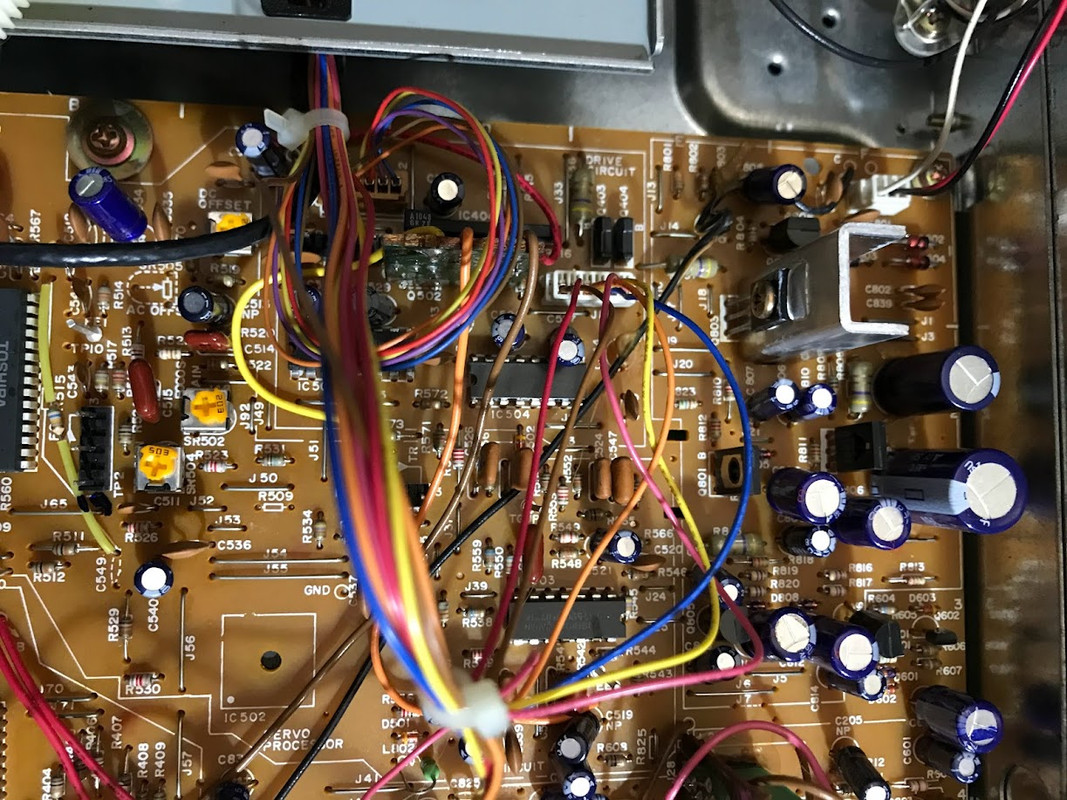
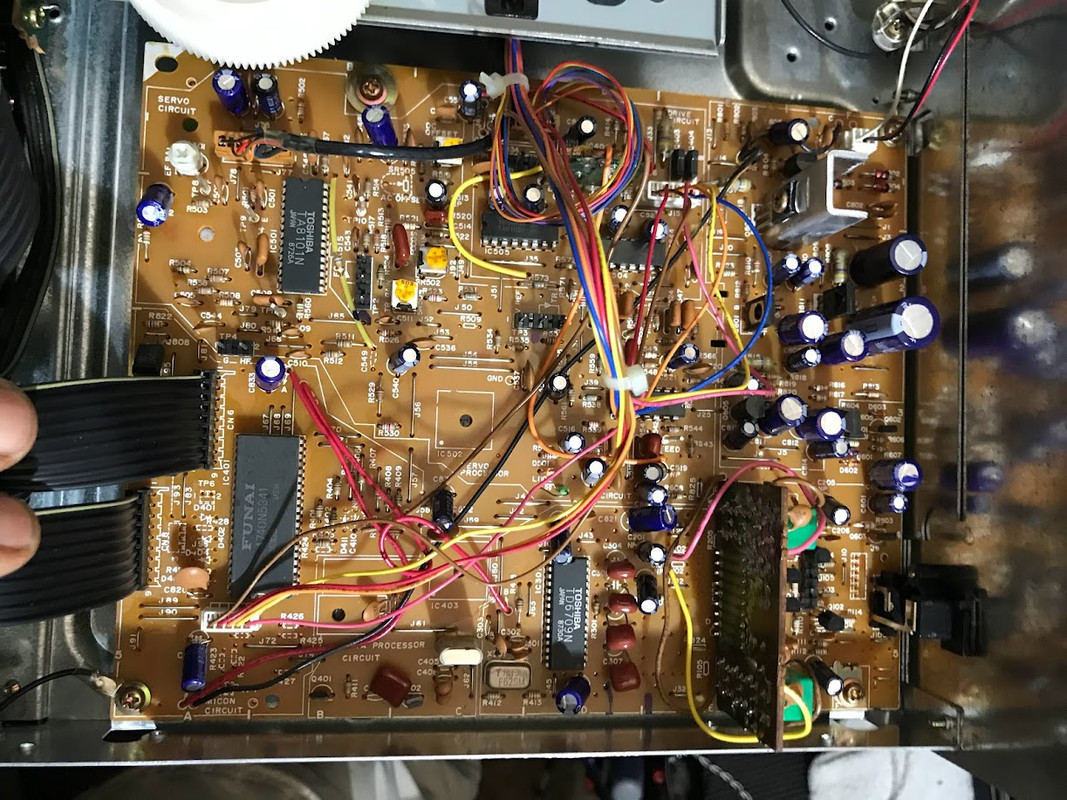
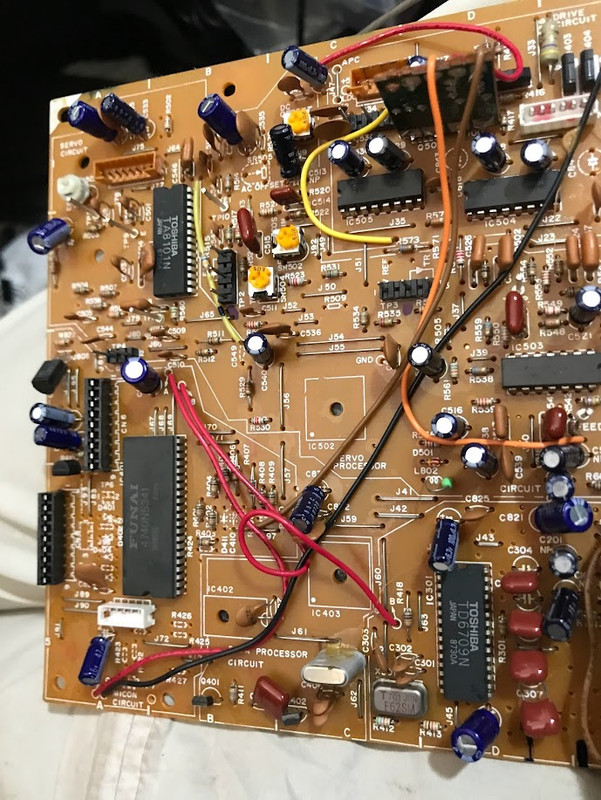
Nice-looking, compact design. With clean, PCB layout. Very fast loading tray, too!
Gotta luv da Shack!
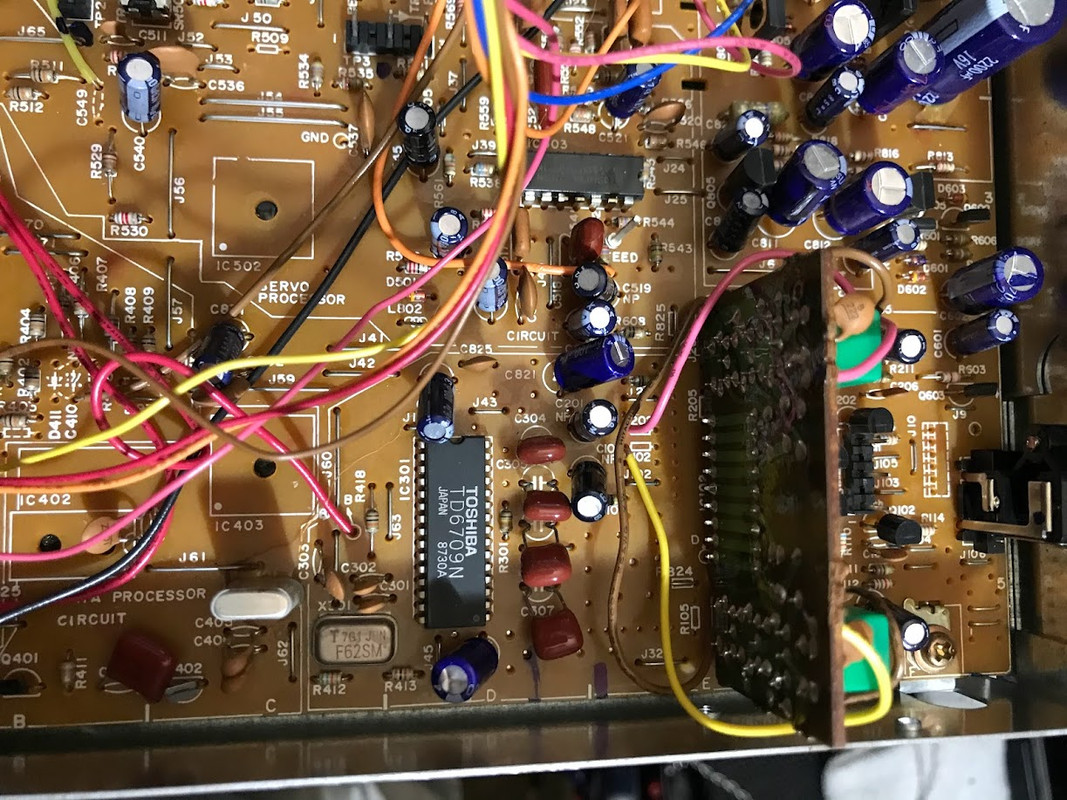
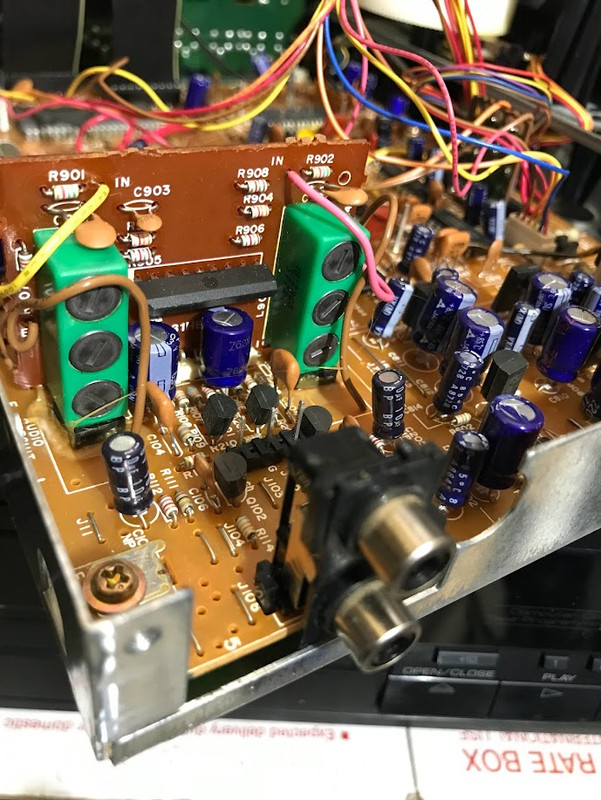
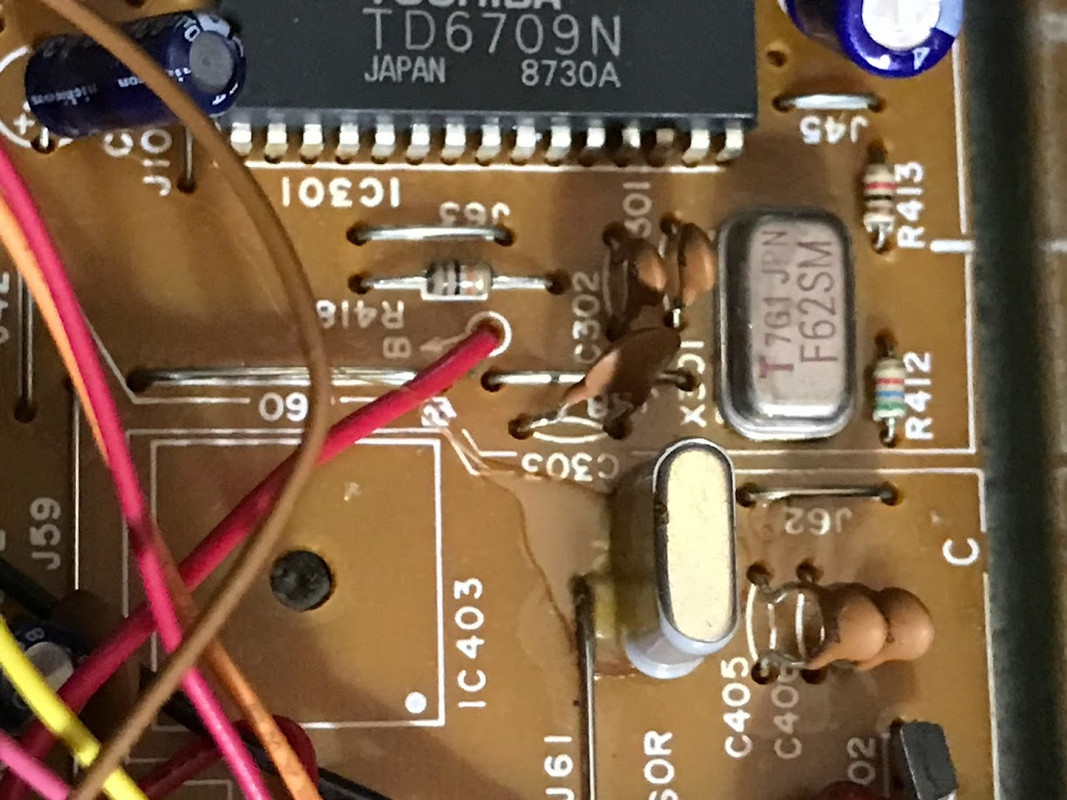
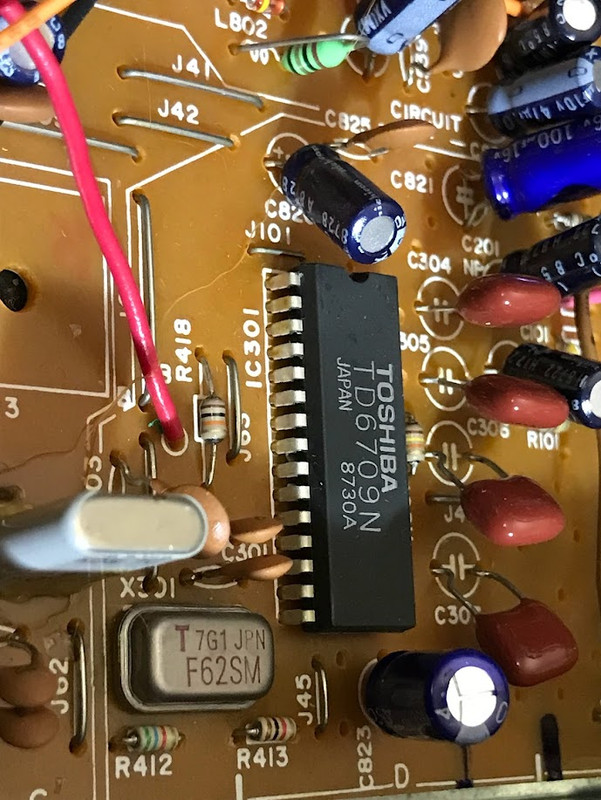
I don't think it uses an oversampling DF, like Kenwood. Instead, clean digital signal processing may partially rely on that TD6709 running at a blazing 67.xxx MHz !!
I have over two dozen or so vintage CDPs from the 1980s. But I think I am going to spend most of my mod time on this RS player. It sounds good as is, but I want to see how far I can expand the envelope of sonic potential. This may be "black box player" I could take to local high-end shop, and ask the mgr. to put the mystery player against their best in-house digital-playback system.
I know it already sounds less boring than my Denafrips Ares II dac. So there may be more gold in them that hills.

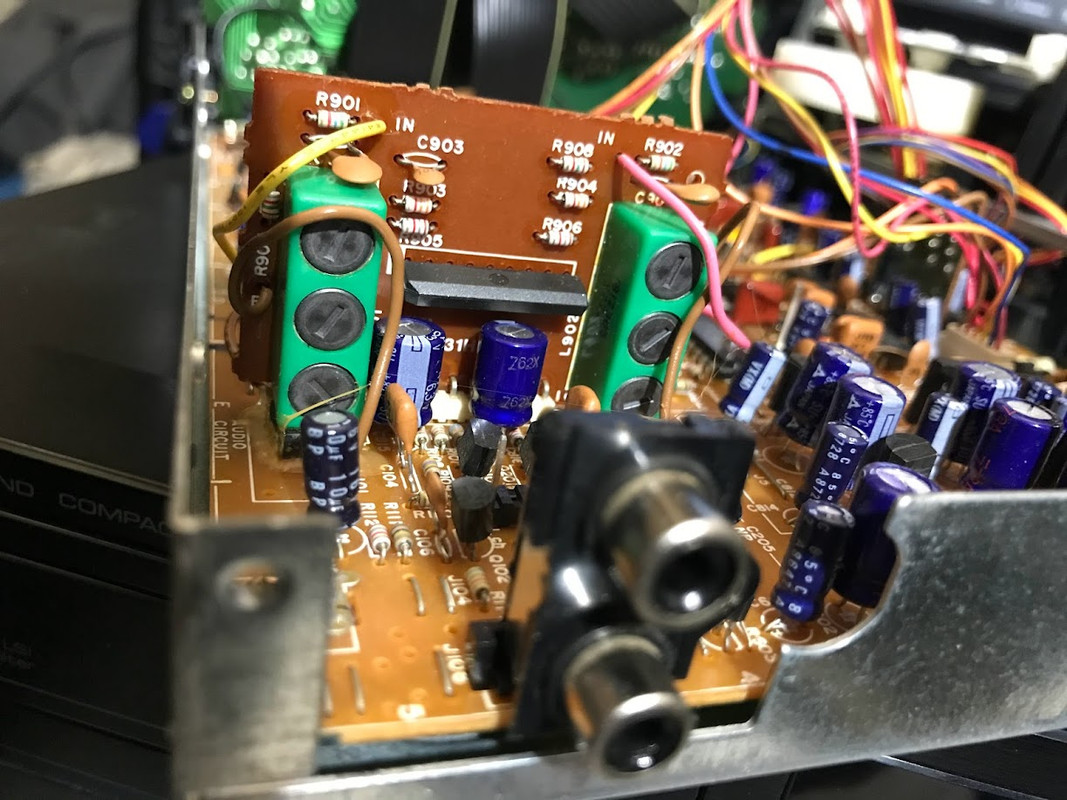
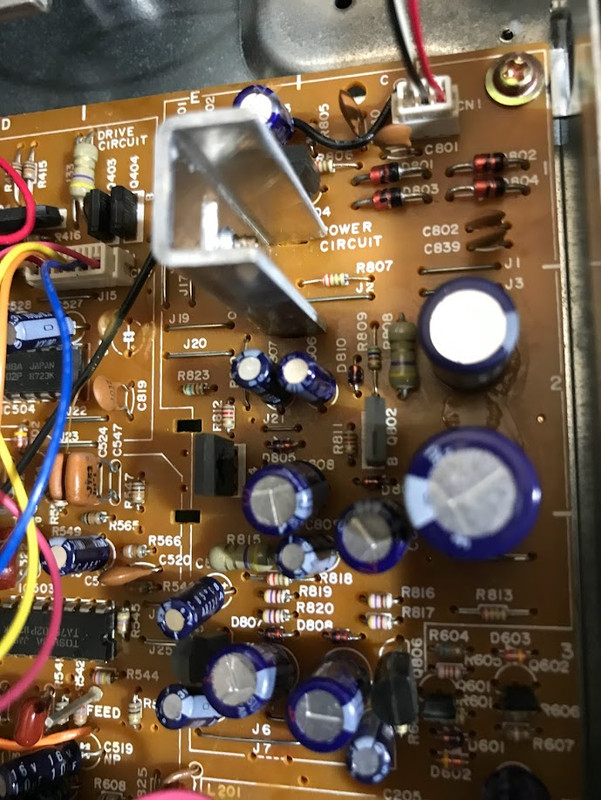
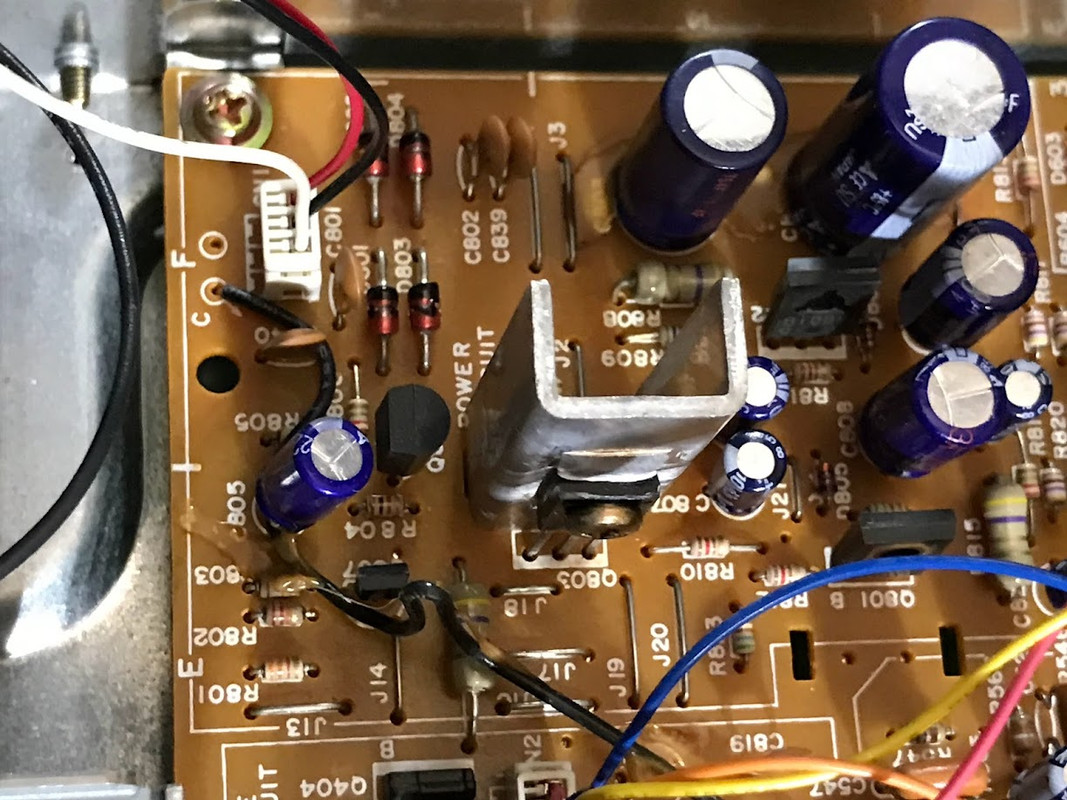
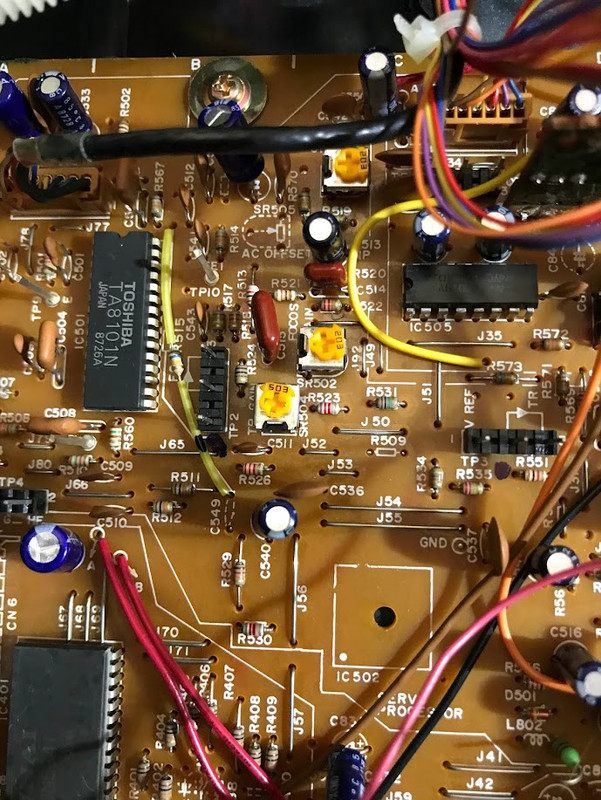
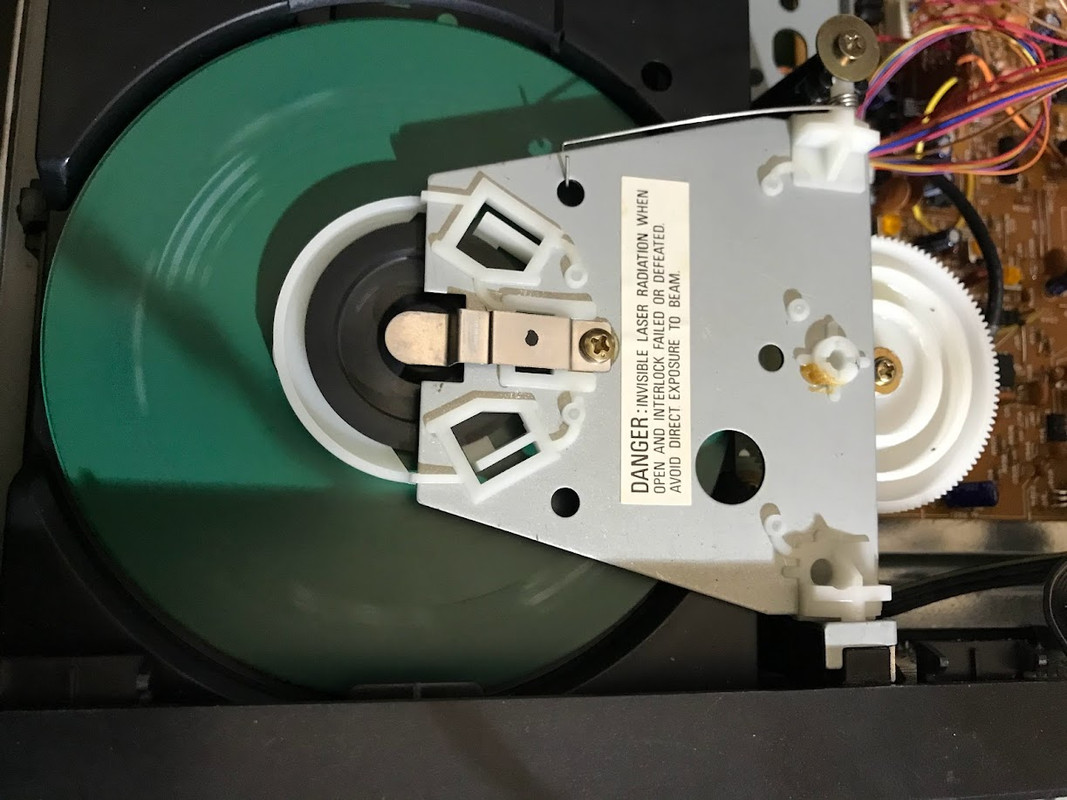
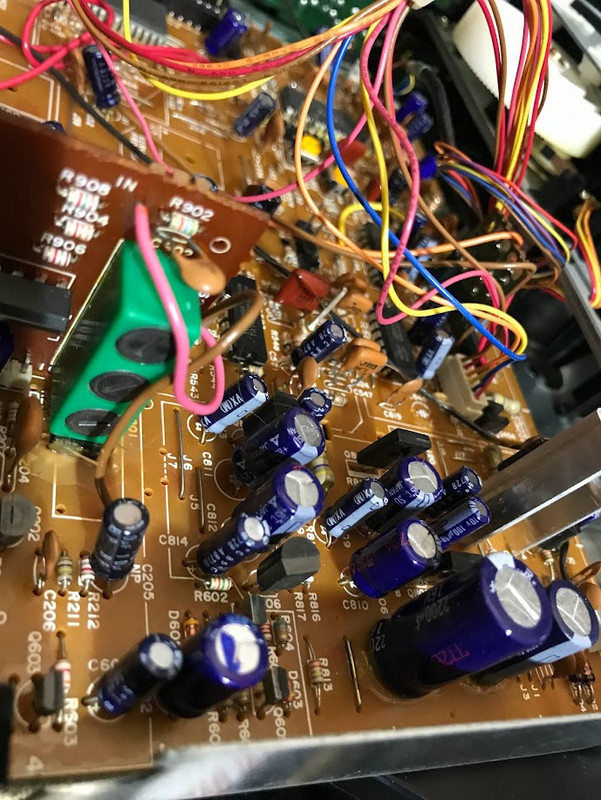
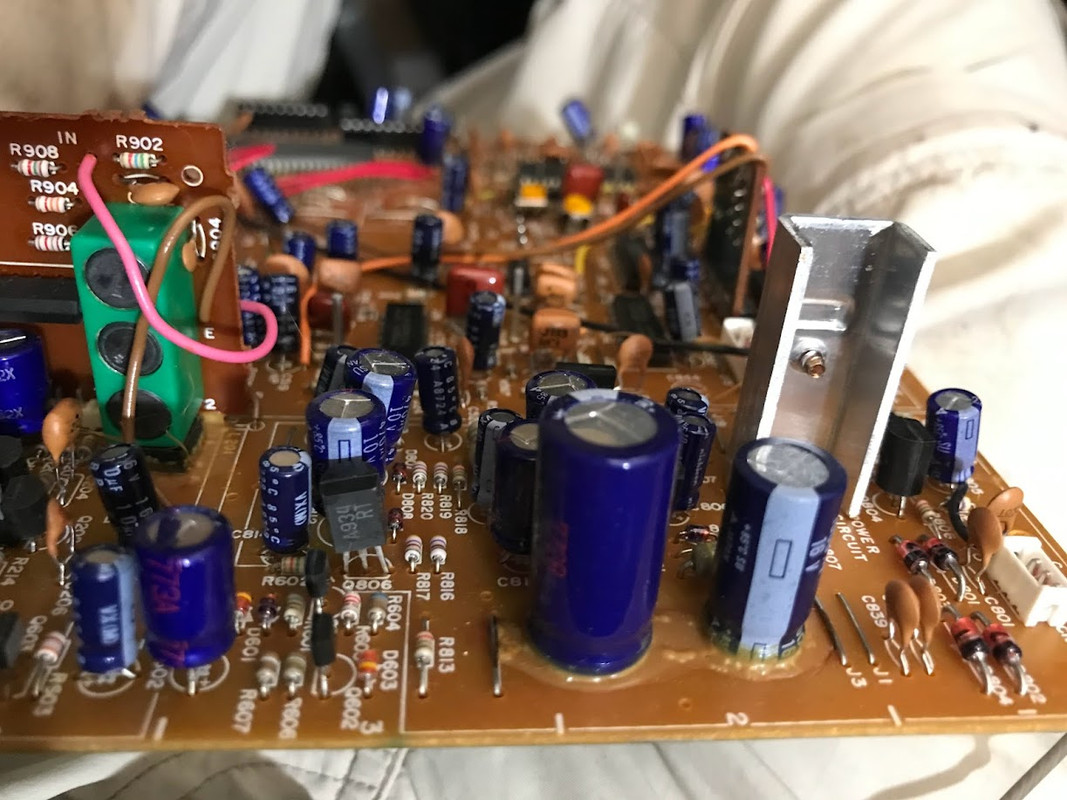
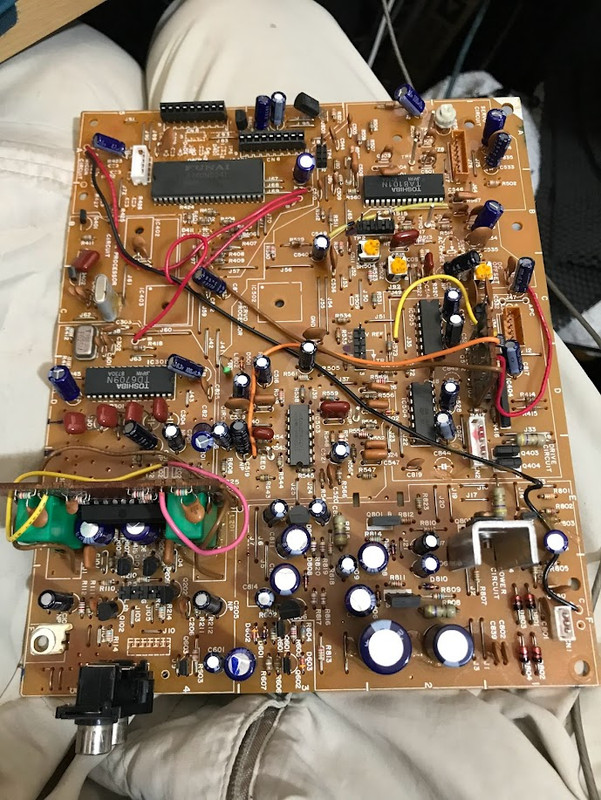
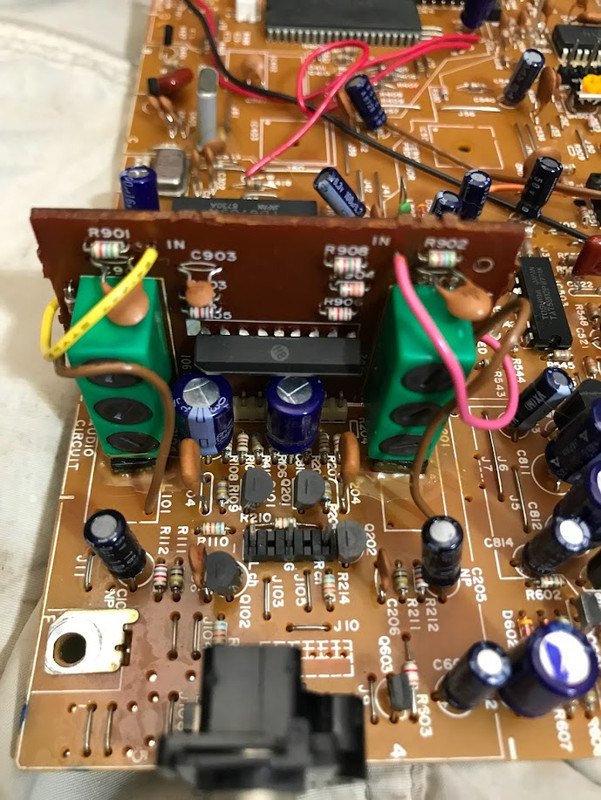
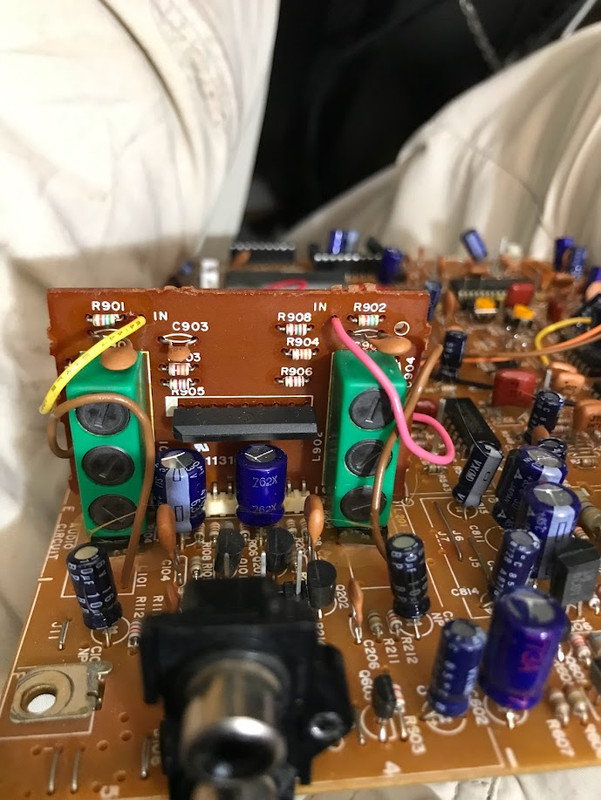
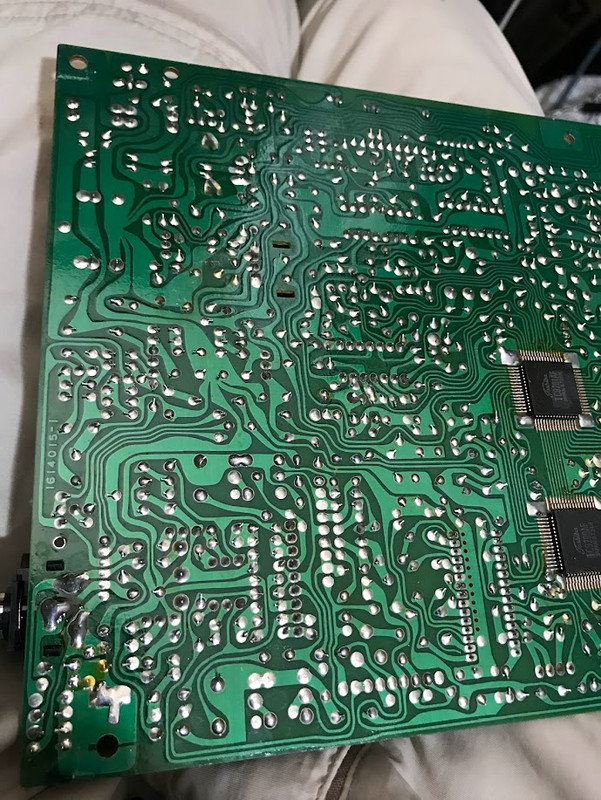
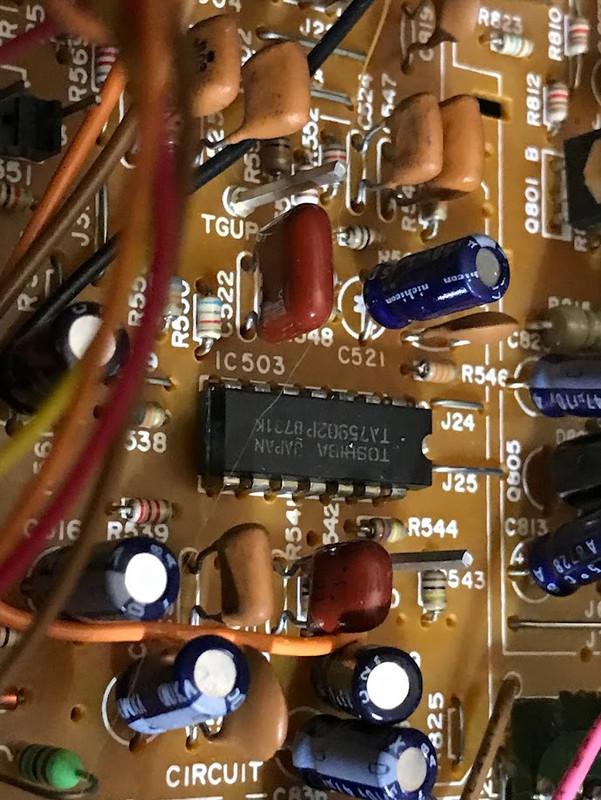
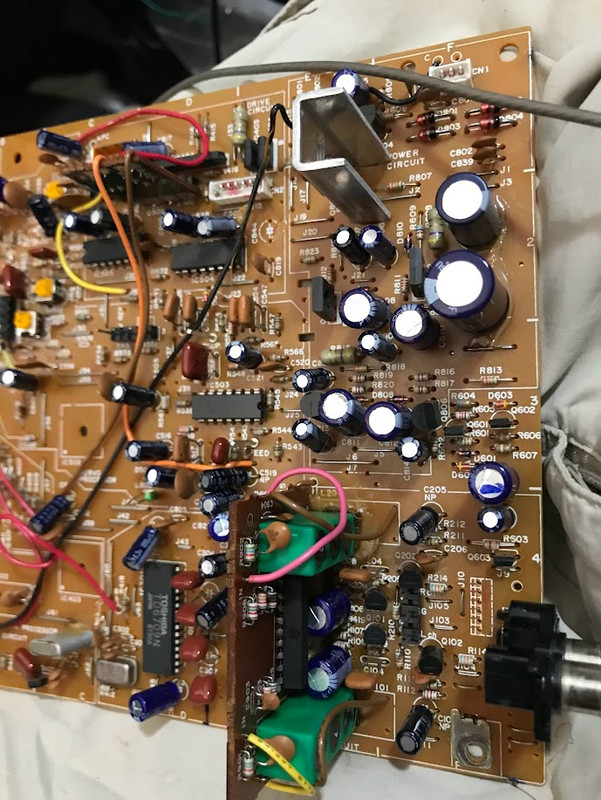
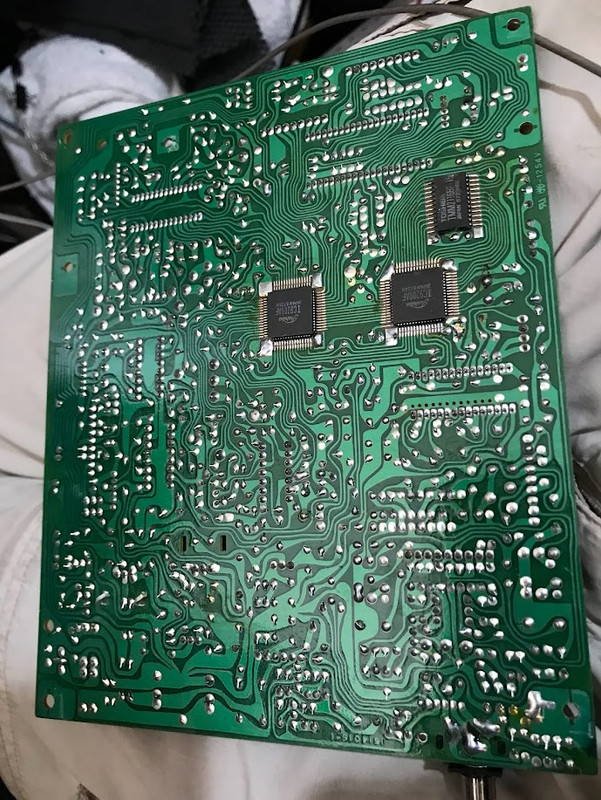
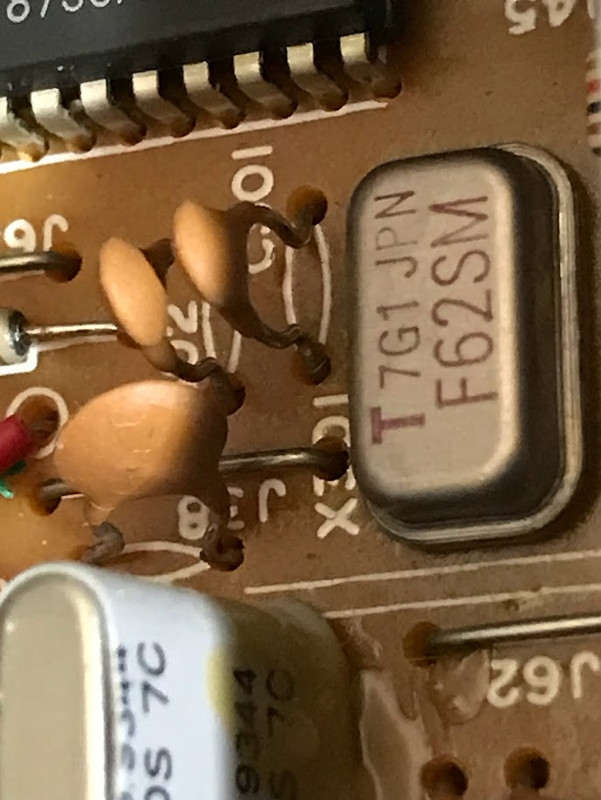
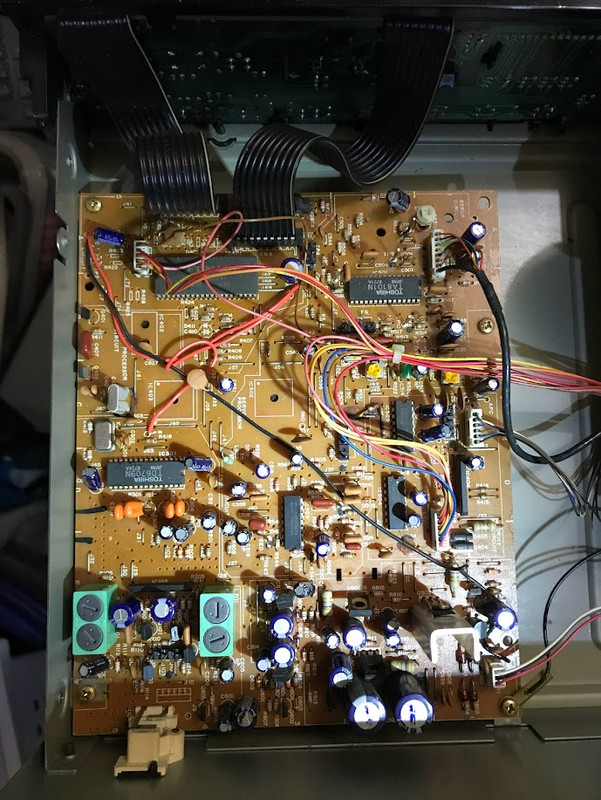
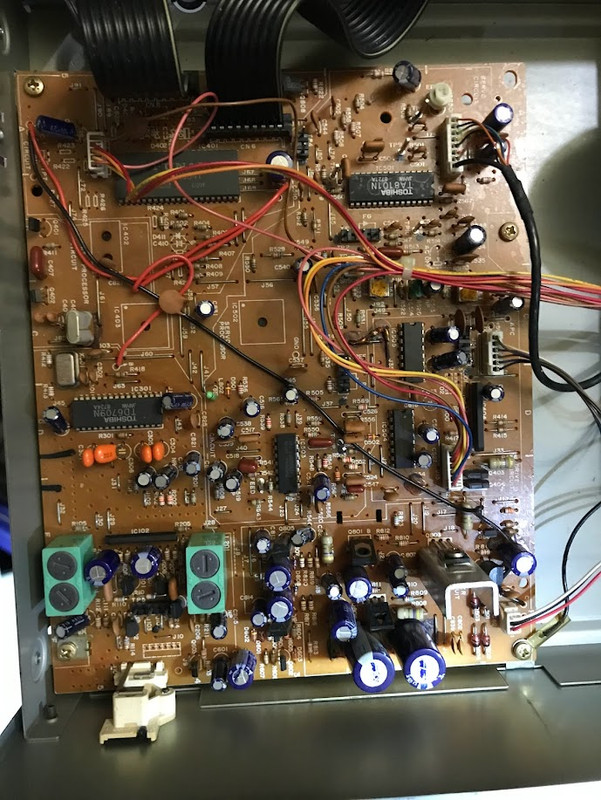
Some photos ...


Register to hide this ad
Update....

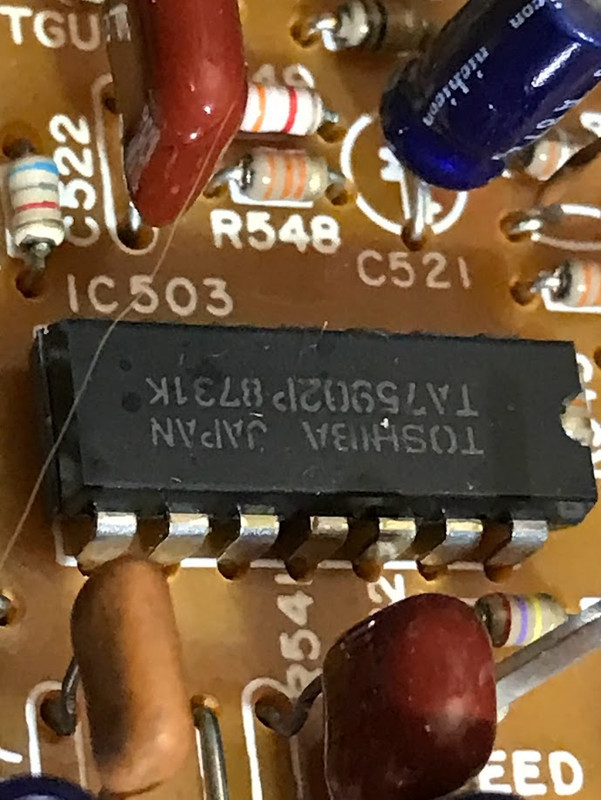
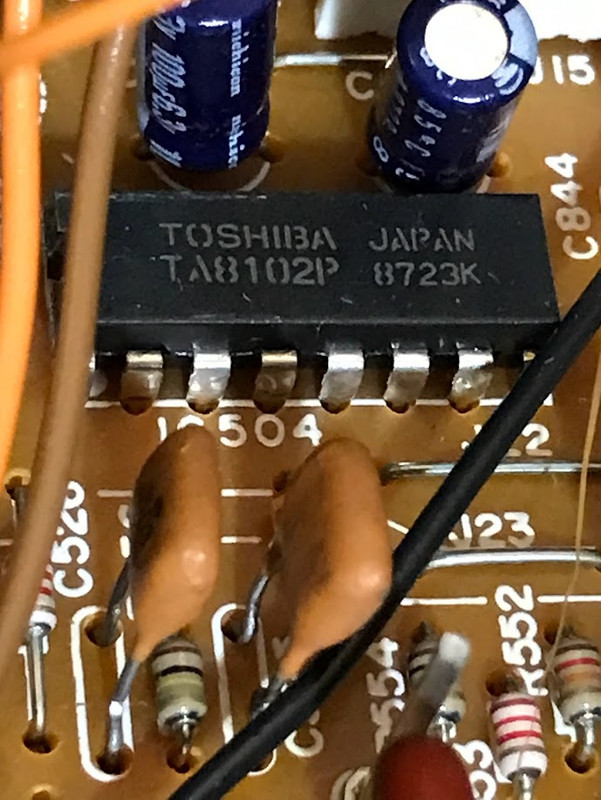
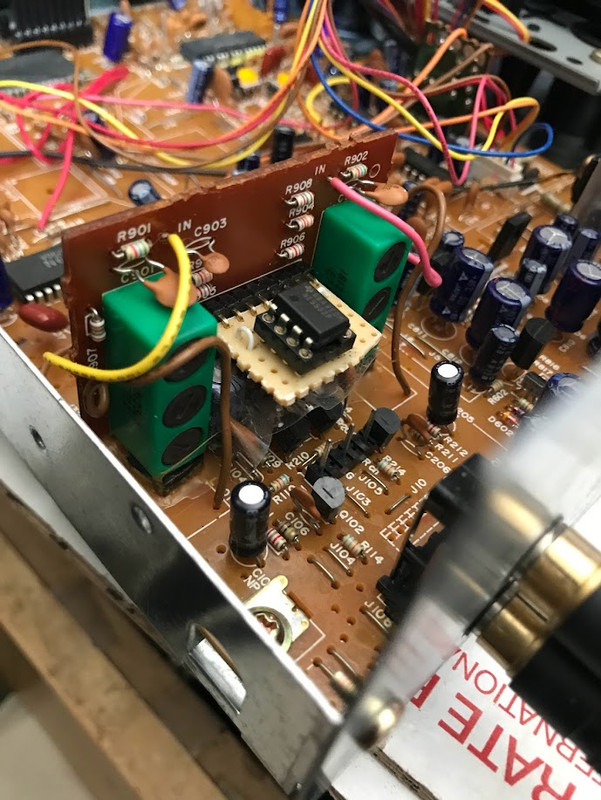
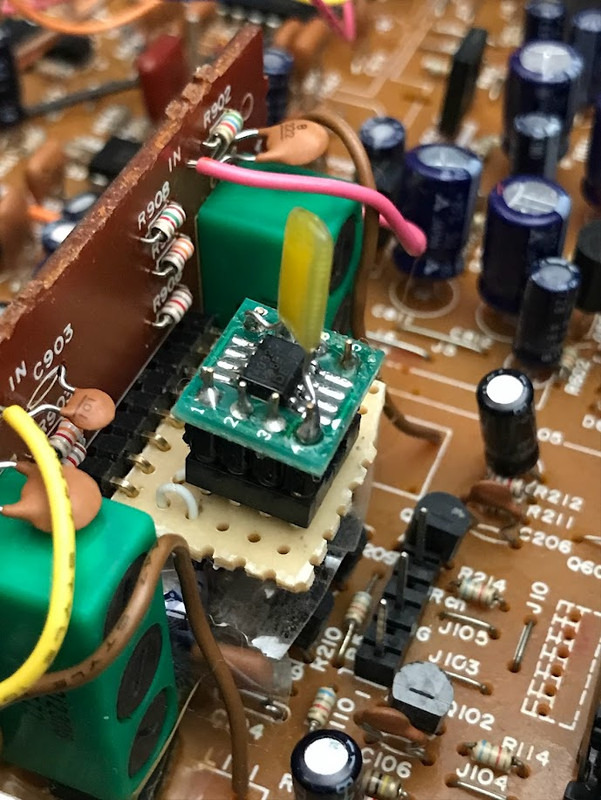
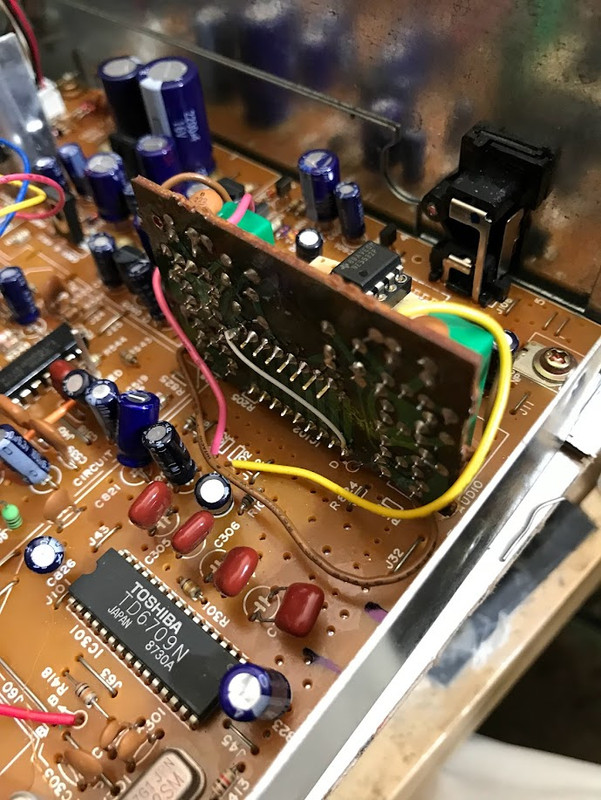
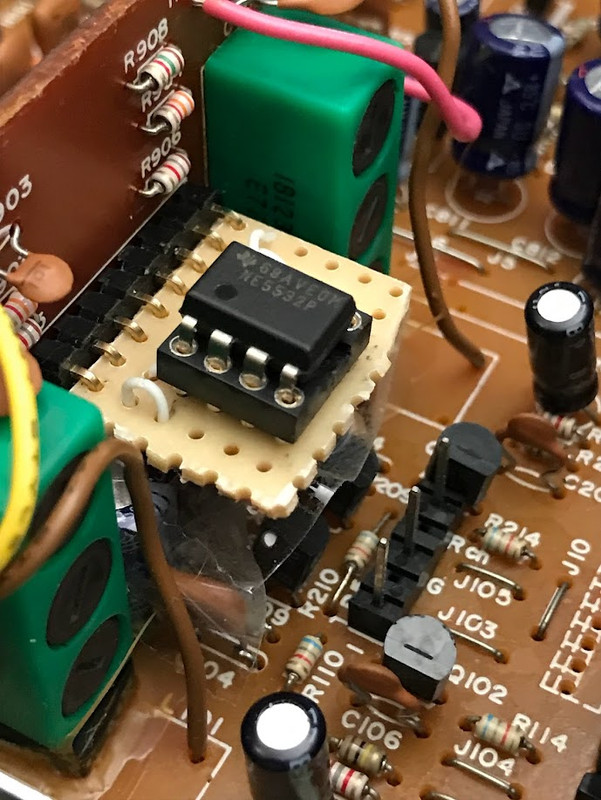
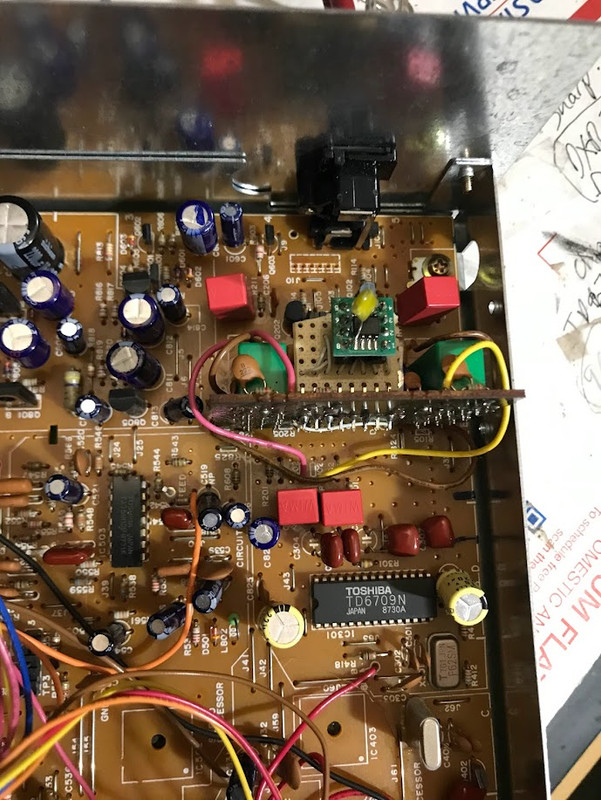
Wanted to swap opamps, but ran into an obstacle with the weird S-type 9-pin format of the OEM JRC4558. Don't want to shell out $5 (+ s/h) for a BrownDog adapter, so I made my own. I think the DIY job is of higher quality than manuf. BD as I used good solder and high-quality connectors and very short runs of Kynar wire. Note that I ran most of the short Kynar runs UNDER the socket, keeping lenths short, and aesthetics pleasing.
The first opamp I tried was common 5532. Nice smooth sound. Perhaps a bit more refined than the oem 4558, but not as exciting or fun. Ditto with ths4032, a $10 (!!) opamp that was promoted by some in the DIY community years back. It's basically more refined than 5532, and OEM JRC4558.. It's laid back and offers a different sonic perspective -- but not fun or exciting as OEM.


EDIT: I've gotta admit that the Toshiba TD67xx dac chip might be a secret weapon. In whatever CDP I've seen it used in, the sonics are very respectable! Or maybe its the fact that no oversamping is used, relying on those mysterious LPF devices (the green block in this device).


BELOW:

The nearly identical Kenwood DP-460 of the same vintage as the CD-2300. Nice to have a parts source -- just in case!


Last edited:
Interesting to thread, will be following. I can tell you it is a Toshiba OEM sourced player, as they did clones for a bunch of outfits in the early CD era, from 83-88 or so. This includes Sansui, Luxman, and Kenwood most notably. They clearly supplied Tandy/RS with this player, as well. The main board looks much like the Toshiba XR-Z40 , but is newer by a year or so. I was surprised to see that FUNAI chip on there, Toshiba usually rolled their own since they were a major semiconductor fab.

The disc clamp is notably different from the XR-Z40, being a slightly newer design. Presently I'm parting a Sansui PC-V750 to repair a Luxman D-404, both of which or clones of the XR-Z40, so you are wise to have cottoned onto the fact there are related players that can be exploited for spare parts, including optics, if needed.

Always nice to see someone take a sleeper and see what can be done with it, in terms of improvements. Besides, I have a soft spot for early CD players launch is why I've been collecting and restoring them myself). Many of them were quite over built, and as such they have held up better than the later commodity/cheapened plastic models from around 88-89 onward.
 
Interesting to thread, will be following. I can tell you it is a Toshiba OEM sourced player, as they did clones for a bunch of outfits in the early CD era, from 83-88 or so. This includes Sansui, Luxman, and Kenwood most notably. They clearly supplied Tandy/RS with this player, as well. The main board looks much like the Toshiba XR-Z40 , but is newer by a year or so. I was surprised to see that FUNAI chip on there, Toshiba usually rolled their own since they were a major semiconductor fab.

The disc clamp is notably different from the XR-Z40, being a slightly newer design. Presently I'm parting a Sansui PC-V750 to repair a Luxman D-404, both of which or clones of the XR-Z40, so you are wise to have cottoned onto the fact there are related players that can be exploited for spare parts, including optics, if needed.

Always nice to see someone take a sleeper and see what can be done with it, in terms of improvements. Besides, I have a soft spot for early CD players launch is why I've been collecting and restoring them myself). Many of them were quite over built, and as such they have held up better than the later commodity/cheapened plastic models from around 88-89 onward.
There are subtle diffs between CDPs that use similar chipsets, as I've shown in the photos (Kenwood DP-460 vs Realistic CD-2300). But these two CDPs are topologically identical.
Not so with other TD6709N "Toshiba"-based CDPs of this vintage (search https://vasiltech.narod.ru/CD-Player-DAC-Transport.htm. For example, the ckt between the dac chip and the LPF are a bit different.
And there are many CDPs absent on this database and the Dutch list. Like my Kwd DP-750 (td6709n) ).

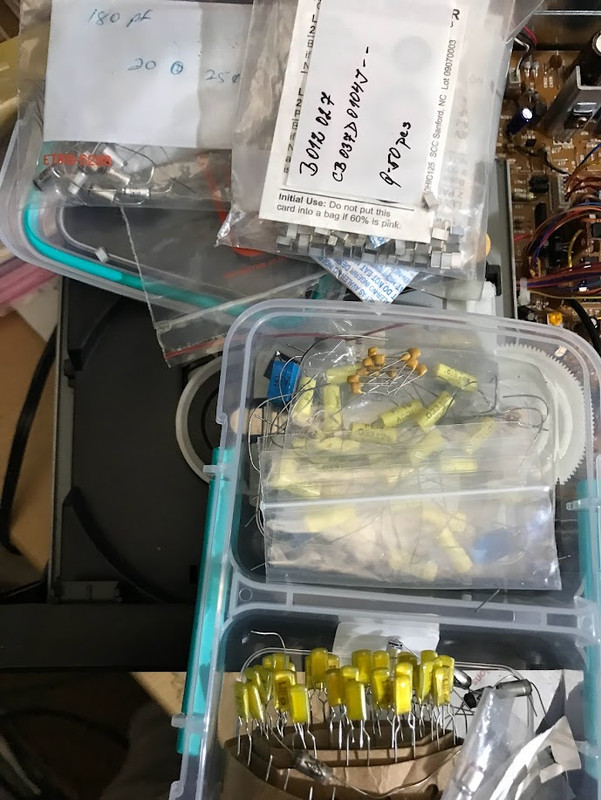
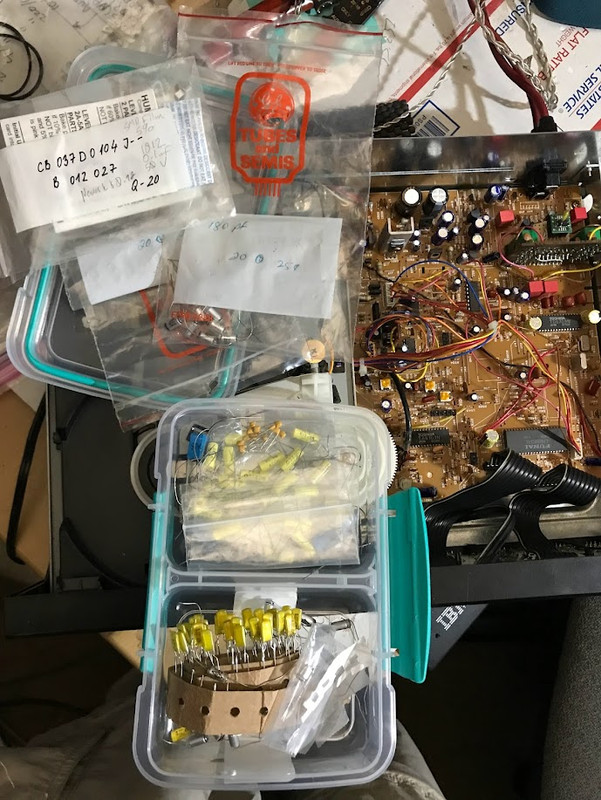
Today, I made a few upgrades to the Realistic CD-2300. All the orig. 'lytics tested just fine wrt ESR and "loss". Replaced a few with higher values--e.g., the two supply 100uF for the dac chip, upgraded to 220uF, with my usual tweak of a 0.1uF Kyocera smd poly cap soldered right to the via holes where lytic leads come out (so lytic and smd are as parallel as possible) . Those Kyocera's are $$ but worth every cent).
Another upgrade was replacing the signal-path NP 10uf 'lytics (DC blockers) with poly's: in the photo below, they are four red Wima blocks.
Finally, replaced orig., cheap mains rect. diodes with Vishay Ultra Fast Avalanche Sinterglass Diodes.

All this made a noticeable sonic improvement. And the stock cdp - -Kwd or RS -- sound was never boring to begin with. Not so with my newer units: Denafrips Ares 2 and much-modded Musical Fidelity A324 (class A rated in Stereophile once) and Theta Chroma DAC, Pioneer Elite DV-59AVi, etc. are BORING.

One can keep going with mods, I suppose, as there is quite a bit of potential in this $200 Radio Shack mid-line CDP (even for a RS product at that time, it was meant for a mid-line bookshelf system!.) That's the purpose of this experiment: even with the cheapest thrift-store/ebay unit , push the mods to the limit and see how far you can go. And they -- Kenwood, RS, Toshiba, Sharp RS/Kmart/Sears/joe-six-pack models from the late 80s -- are quite common and cheap, even on eBay. Deliberately search for "For Parts Only" units. Usually, it's just one of the xport belts that's worn or broken. Sometimes, one of the 1-ohm fusible R's has opened. All cheap fixes.


BTW:
I may have to bite the bullet and shell out $22 on hard paper copy of SM of the Kenwood dp-460 (same as Realistic CD-2300/2400). Not unless some here on AK has a spare PDF ;)
 
Last edited:
Indeed, sometimes there are tweaks ranging from superficial up to rather significant. The Luxman D-404 I referred to has a pretty heavily tweaked main board from a Toshiba XR-Z40. So much so, it has a different foil side and different screen print. So, while it is very nearly functionally identical to the original Toshiba source model main board, it is, in fact it's own unique version strictly speaking. Appears some major power supply upgrades were ordered for the Luxman version, and support for a serial wired remote control system. The Sansui version meanwhile is a dead on stock Toshiba XR-Z40 PCB excepting the addition of an 1/8” jack on the back panel to support the "compulink" syncro dubbing feature Sansui offered at the time, and perhaps one small IC for which the board was already prepped. The screen print on the main board even states "XR-40" which was the Japanese market model designation, XR-Z40 being the international model number. Kind of funny to see how much "borrowing" went on in that era, even between companies who were direct competitors in the marketplace.

All that aside, you are doing some nice, if subtle, upgrades there. I'll track this project as far as it goes, as it may influence my wanting to try similar mods to some of my vintage CDP's. There is almost always room for improvement.

Service manuals are a tough aspect of this, for rare CD players especially. I spent almost 4 years trying to find a service manual for a Luxman D-03, which is a beast of a CD player they offered in 1984, probably the first CDP offered by Lux (and had electronics heavily sourced from Toshiba, but was in no way merely a tweaked rebadge like some later Luxman CD players were) as no scans were available anywhere. I even practically begged here on digital docs for a copy, and was willing to pay for one. Finally an original copy showed up on ebay, and was reasonable ($25) considering it is a very involved service manual about 3/8" thick, with huge fold out multi-color schematics. I was rather impressed at the effort put into the manual, Luxman of the Alpine-owned era generally weren't all that notable for the quality of their FSM's.

I know Tandy published service manuals for much of the audio gear sold at Radio Shack, but finding copies of them may be tough.
 
I needed it for mods and restoration ... but did not find much useful info about the Radio Shack CD-2300 or dp-460 -- again, nearly identical, CDPs that use a 16-bit Toshiba td6709n d/a chip .
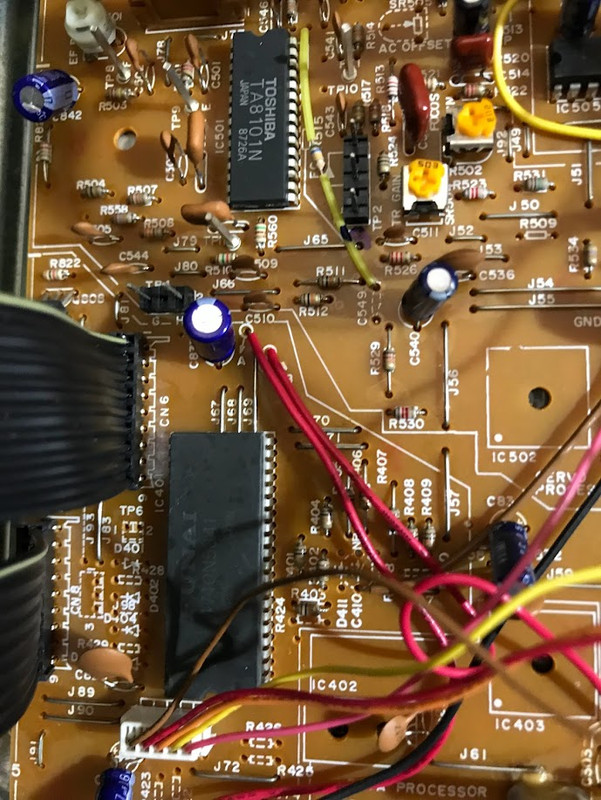
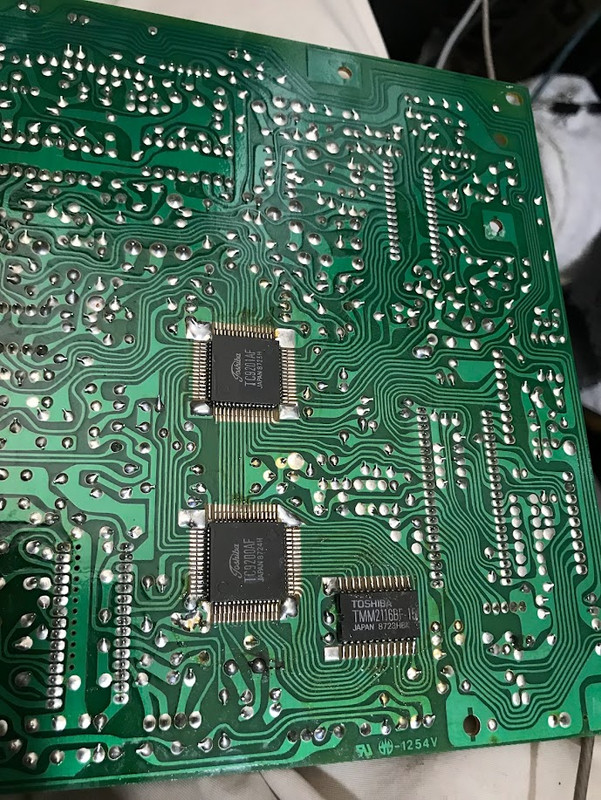
I didn't see an oversampling device preceding the dac so I assumed the LSI just before it -- see photos above PCB solder side -- was the usual decoder LSI (similar to Philips SAA7210). Sometimes, these LSI's can incorporate OS, like the Sony's CX23035 which can output 1x or 2x. I probed pin 8 (SCK) on the td6709n dac with several different measurement tools . And I read 44.1k,which indicated zero OS.
Th td6709 does not have a DS that I could find. However, the pin-identical td6720 does have a DS. And it can supposedly accept 2x OS signal. Not sure about the older td6705. The td6710, a 24-pin 14-bit device used in portable units, does have a DS, look for it at the usual watering holes.

REFs:
 
Last edited:
Back
Top Bottom