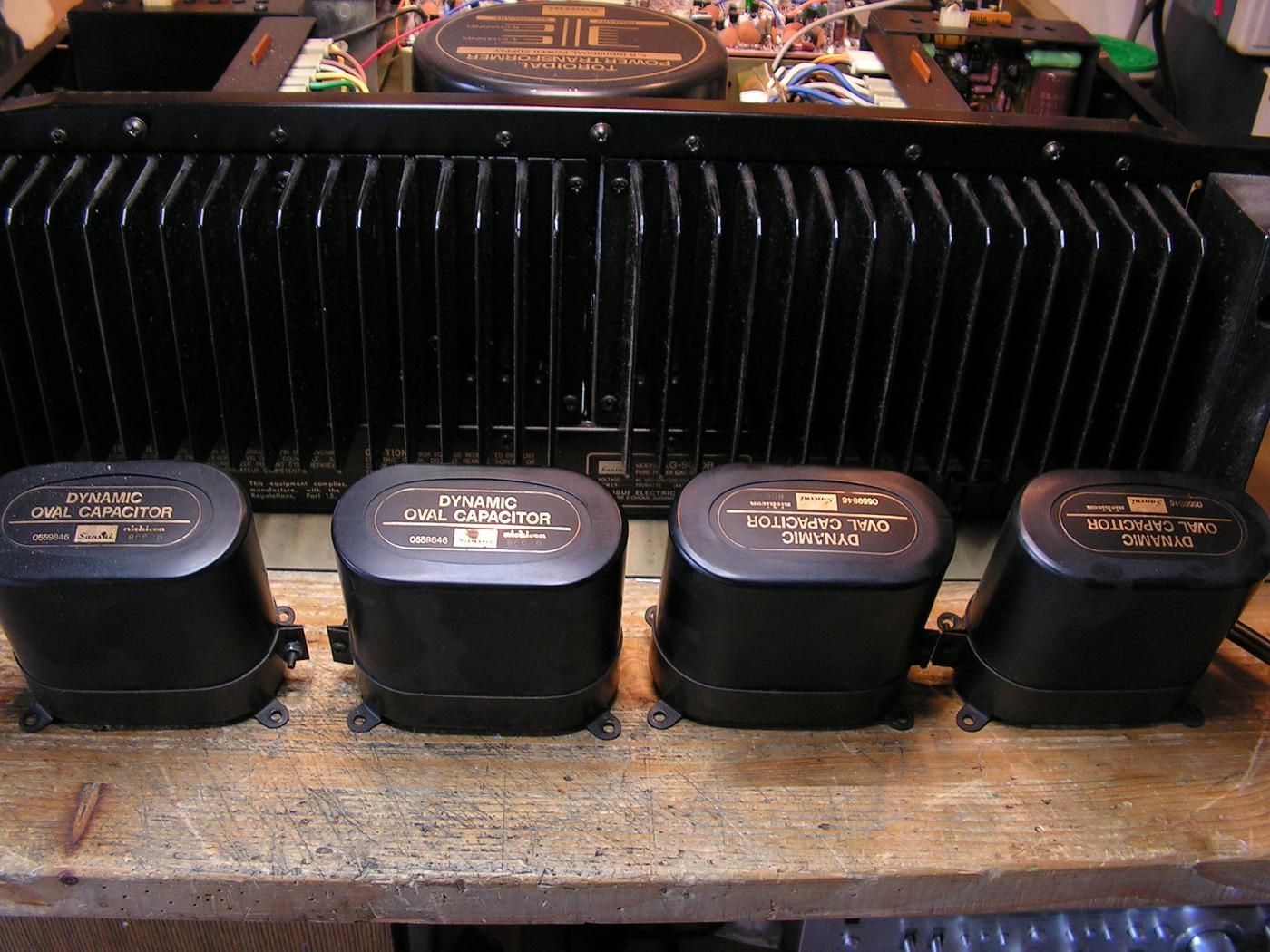
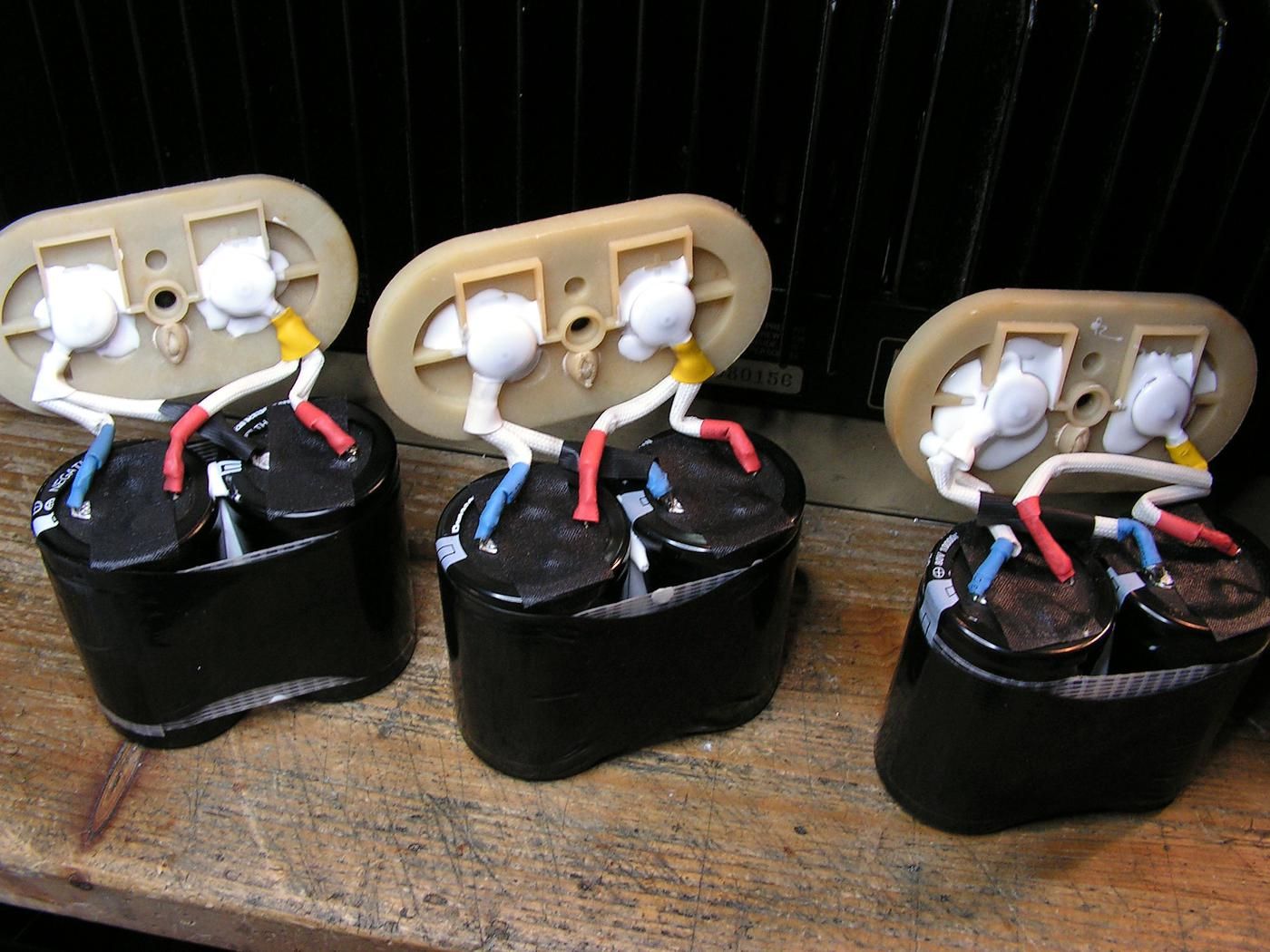
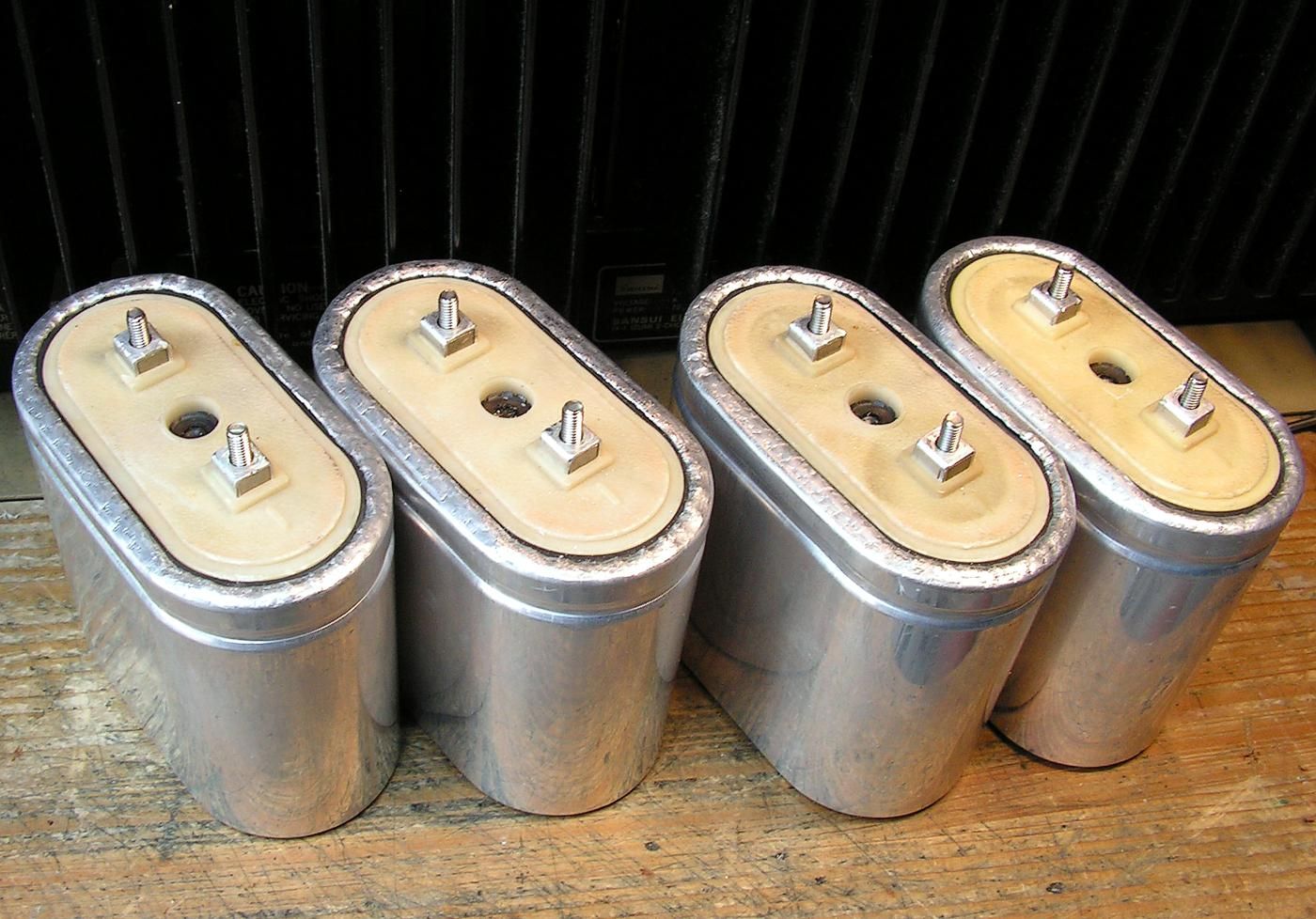
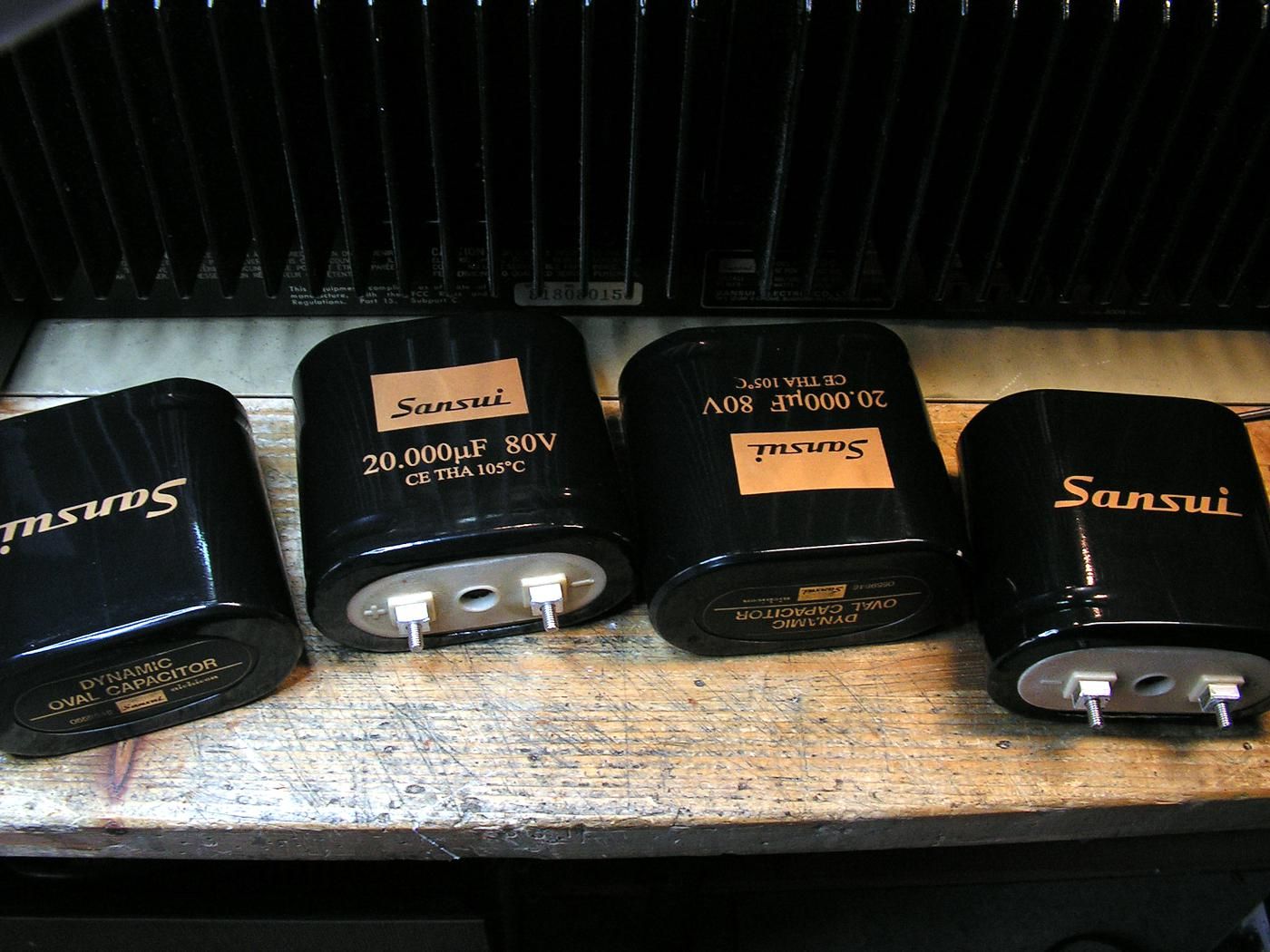
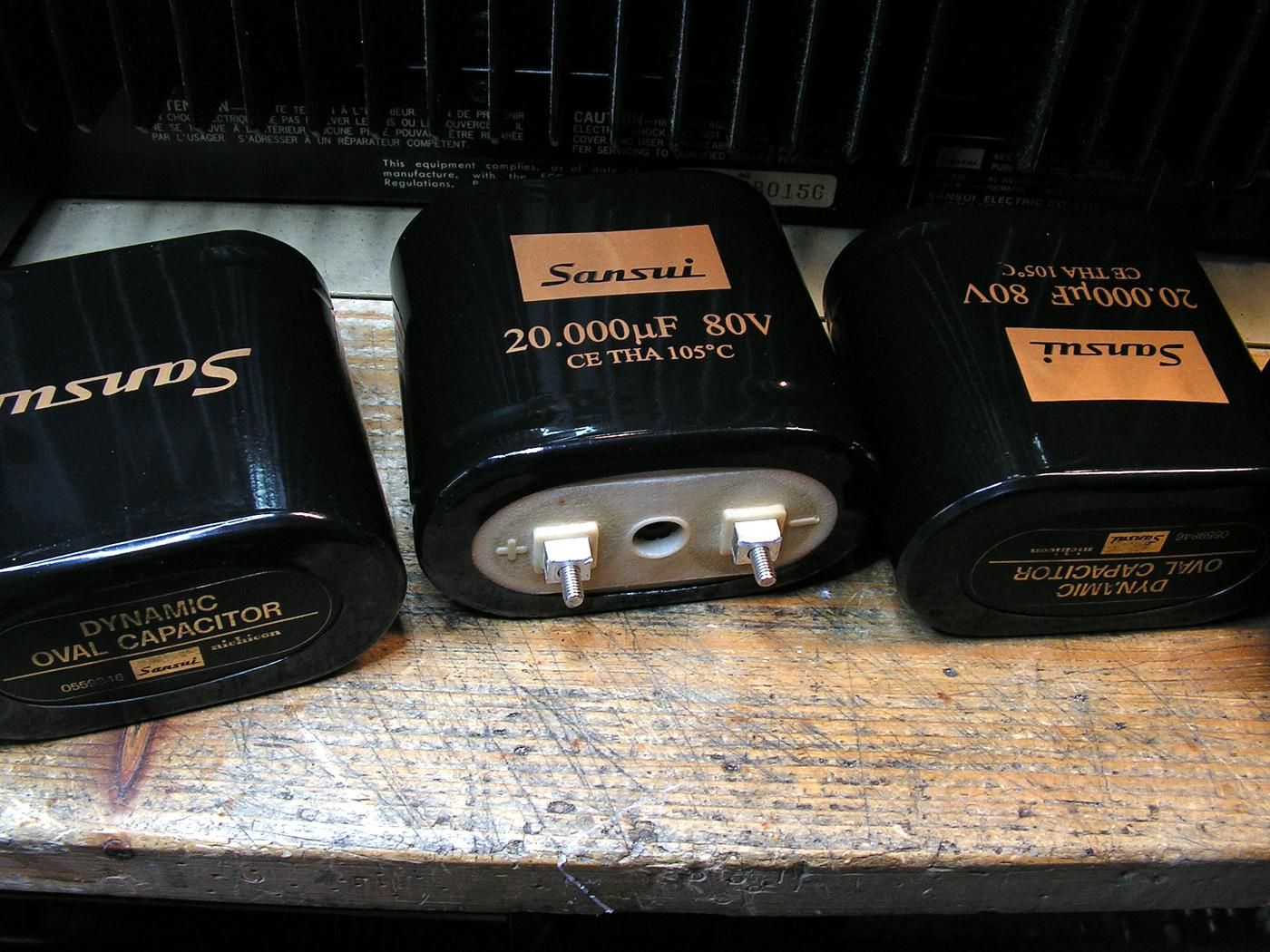
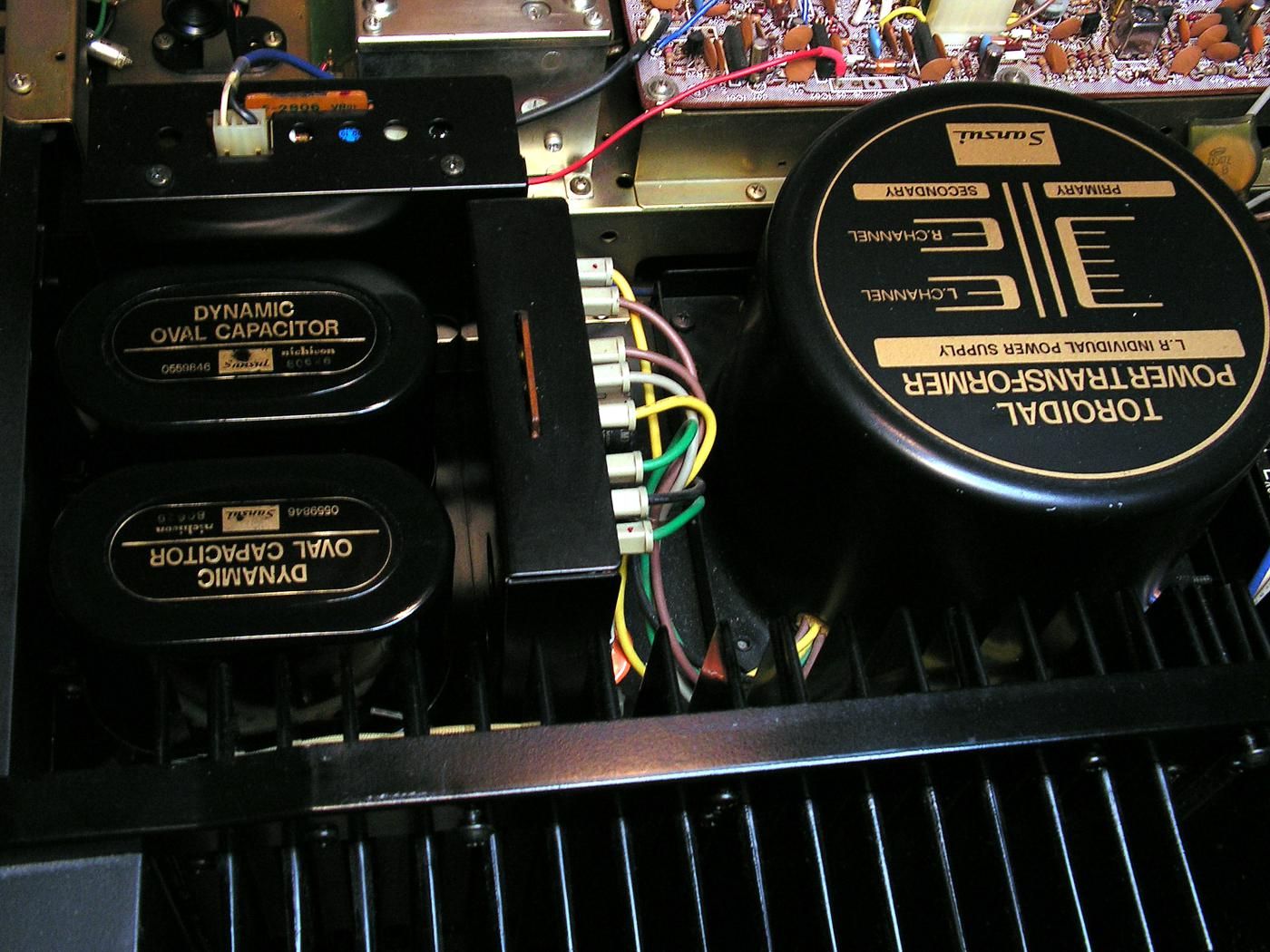
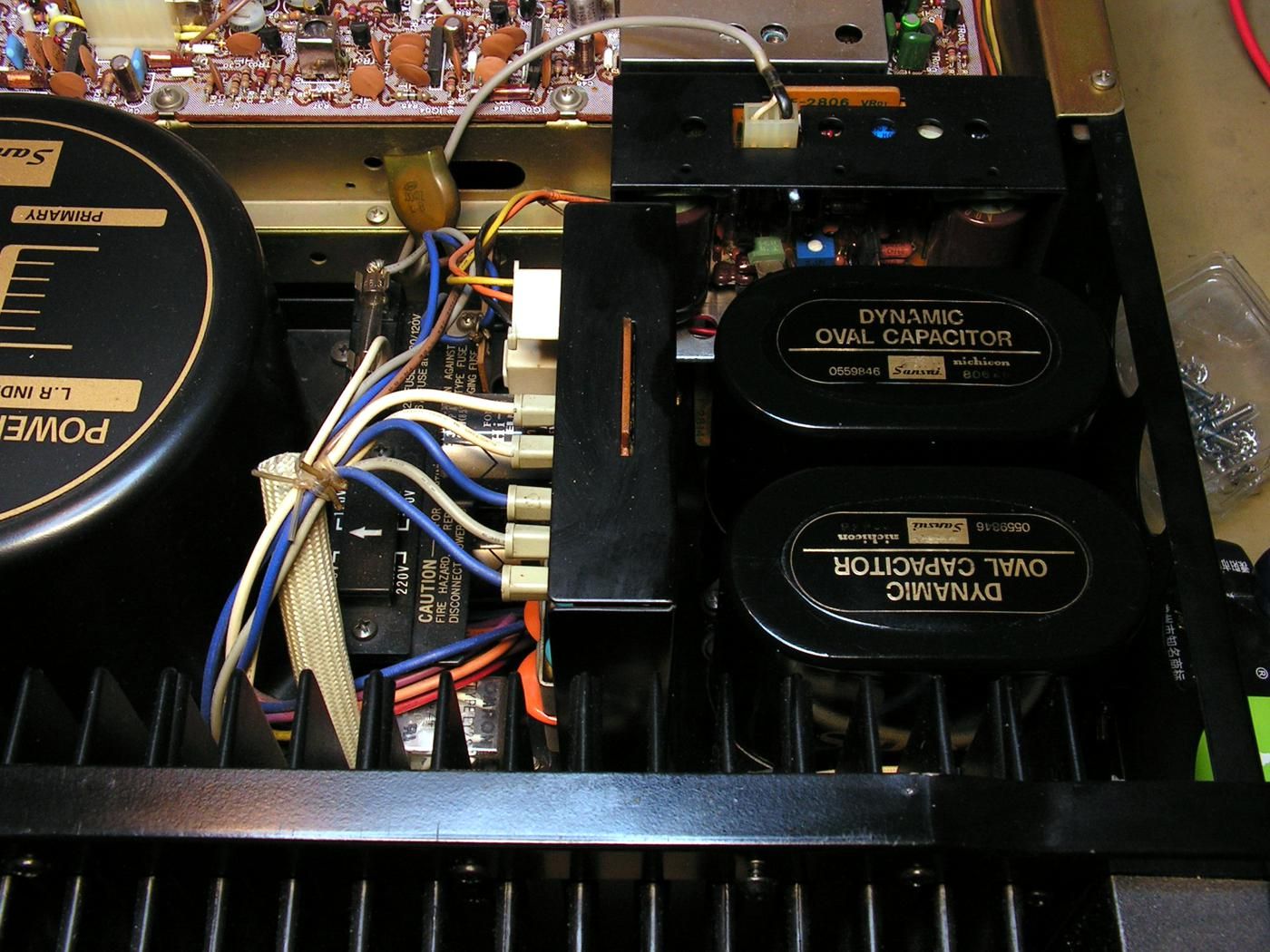
Restoring Sansui Dynamic Oval Capacitors

Beauty!

Certainly something to be said about the seamless look, but wondering if instead of having the labels professionally printed (which I expect cost dearly for a low production run), you could just print them yourself on photo grade paper and stick them to the new heat shrink? I did something kinda sorta similar on a recent project ... those would be the white PIO's on the circuit board ...
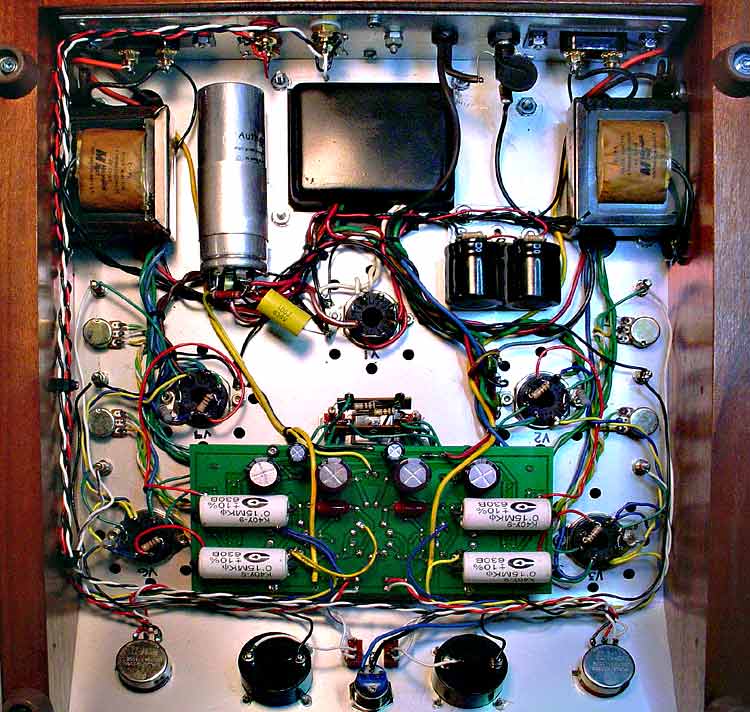
wiring-last-stage.jpg


Also wondering about the twisted leads. Any purpose other than increasing the effective gauge of the wire?
 
Last edited:
Would it be possible to only cut off the bottom edge of the original shrink wrap, and hide the removed area under the clamp?

Maybe it could… but I am not sure will be the original heat sink, during the time, pull back more from the bottom edge of capacitor case because of heating inside of amplifier (receiver), so I decided to replace all heat shrink cover with new….
 
...but wondering if instead of having the labels professionally printed (which I expect cost dearly for a low production run), you could just print them yourself on photo grade paper and stick them to the new heat shrink? I did something kinda sorta similar on a recent project ... those would be the white PIO's on the circuit board ...

Yes, that is very good idea! But, I did on that way, it cost, but now it looks very nice for me.

Also wondering about the twisted leads. Any purpose other than increasing the effective gauge of the wire?
Just because of increasing the effective gauge of the wire, nothing else.
 
Apart from a 'like' on one of your posts I didn't make a comment until now, you know what I think of your superb work Kale. :trebon:
 
Last edited:
More Dynamic Oval Caps restored...

This time for Sansui G901, so how they were:

pict0294_zpsbcbkf7nk.jpg


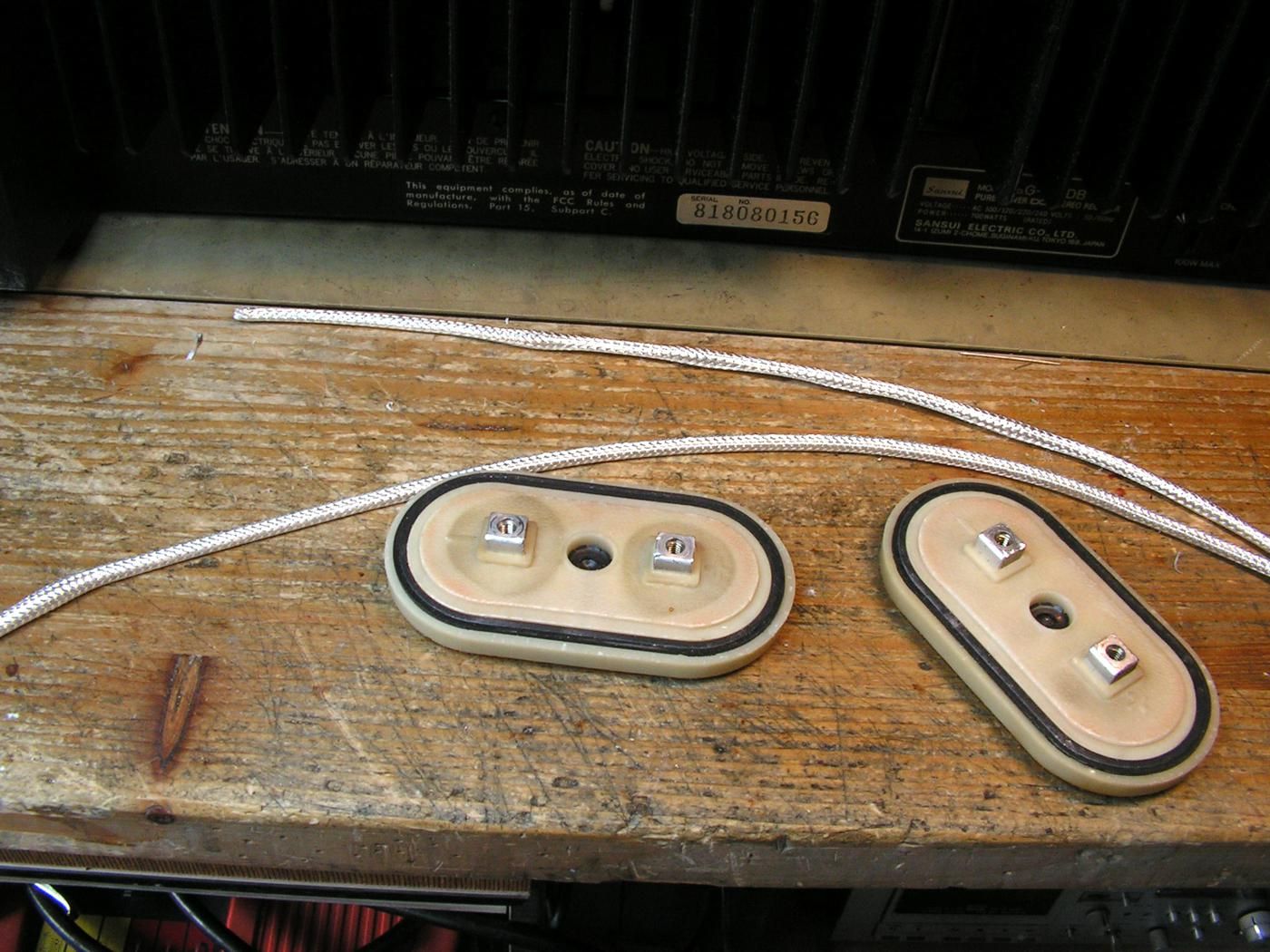
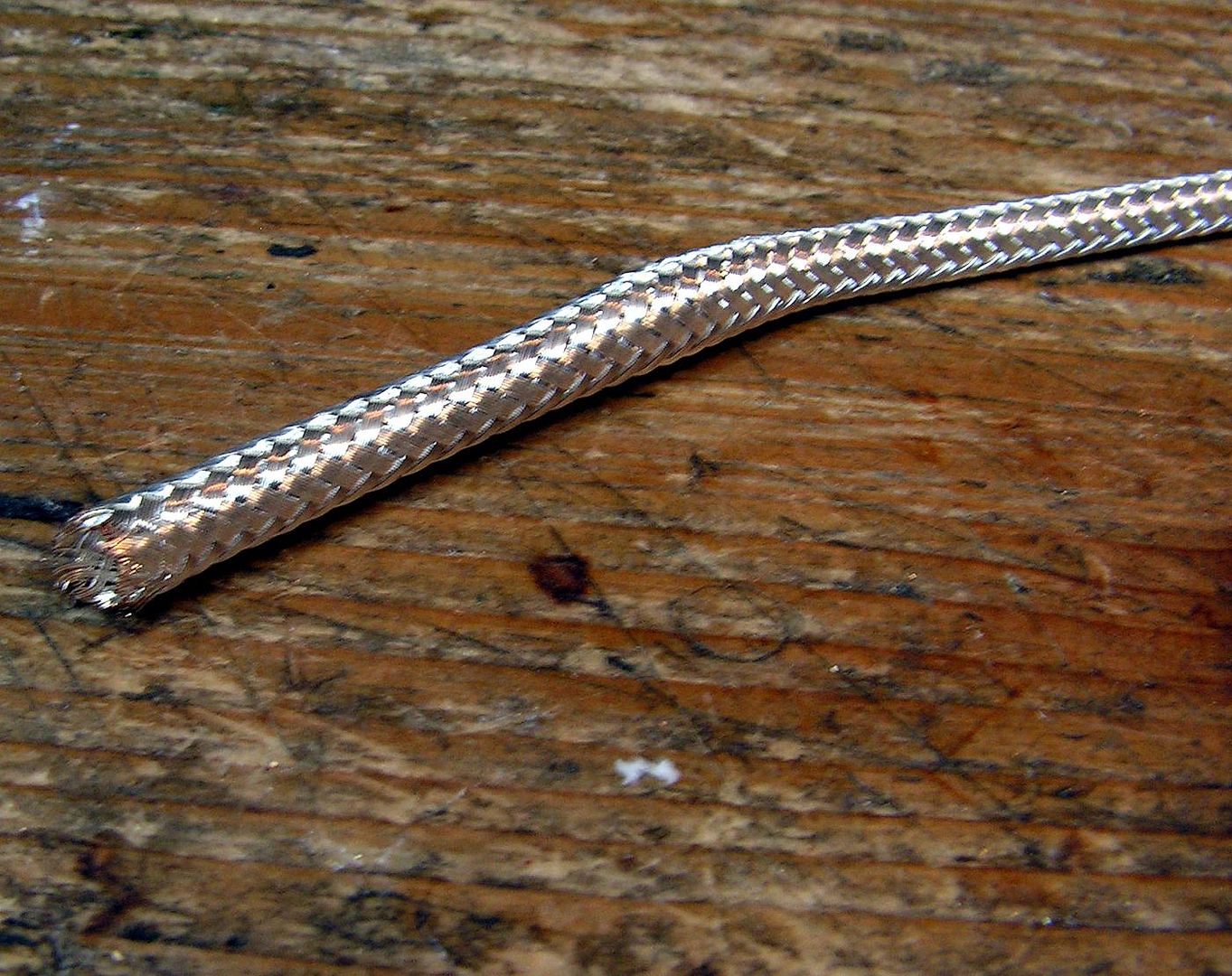
this is a wire what I would use for connecting those Panasonic capacitors (it is silver plated wire)

pict0298_zpszdvml7go.jpg


pict0299_zpsfyyamlmf.jpg


...connected to terminals....

pict0300_zpsupfwcsxc.jpg


that way of connection new capacitors to the contacts of oval capacitors is not simple, you should be very careful when you making that hole on the other side, because if you are not careful, the drill-bit could damage thread of oval capacitor nut!

And ready to instal....

pict0301_zpseeiinrsp.jpg


... ready to get a new cover

pict0302_zpsz63oh1zk.jpg


... new cover...

pict0303_zpsyudd17cy.jpg


pict0304_zpsvvaiffbd.jpg


and finally installed into receiver....

pict0305_zpsj9r9o6gv.jpg


pict0306_zpst3fgrrsw.jpg
 
Last edited:
Nice Job Kale. Very impressive. I just did some dual caps on a G-7000. Stumbled on this because I'm going to be restoring my G-9000 soon.
 
Just seeing this thread now for the first time. Outstanding work as always kale. I especially like the recreated plastic sleeves.
 
Just wish to show you one update about this topic...

I am in the middle of restoration on one AU919, and I wish to show you another oval cap restoration...
As I said so much time until now, all electrical connection inside of restored capacitors should be prefect, or performance of restored capacitors could be worse than on the old ones...
I have seen until now that some of you are using female spade wire crimp connectors for connecting wires from capacitors to connection points on plastic cover of oval capacitors... for me that is not good choice... because that way of connection could be bad during years, and you know... those oval capacitors are bank power for output stage what is dynamic current consumer, and here every milliohm is important if you know that in short time those capacitors should deliver a very high current...
 
Last edited:
So my way is:
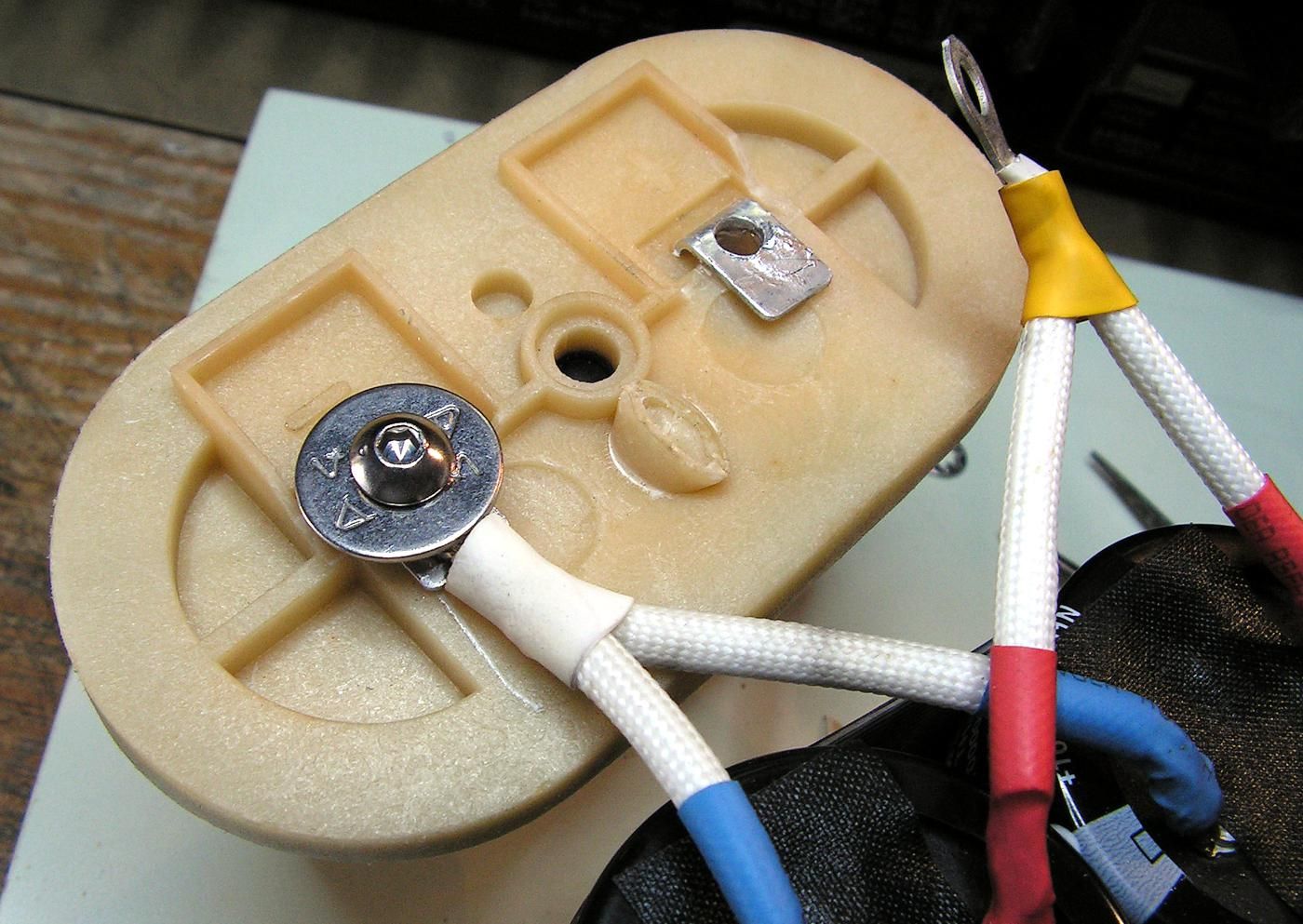
First I am using twisted pair of KIMBER TCSS 19 awg with teflon insulation for connecting capacitors inside of oval housing, then I am using those special O ring crimp terminals,

PICT0006.jpg

PICT0007.jpg
 
after that I am using stainless steel screws to get good tight contact between O ring terminal and aluminum contact on plastic cover of oval capacitor. After that I cover that connection with silicon for electronic to protect complete connection.
PICT0010.jpg

PICT0013.jpg

PICT0014.jpg

and here it is the result

PICT0024.jpg
 
after that I am using stainless steel screws to get good tight contact between O ring terminal and aluminum contact on plastic cover of oval capacitor. After that I cover that connection with silicon for electronic to protect complete connection.
View attachment 1243450

View attachment 1243451

View attachment 1243452

and here it is the result

View attachment 1243456
Your attention to detail always amazes me. Do you happen to have the size of the Inox screws you used from the inside? All my screws went missing and I'll have to find replacements.
 
I wanted to show a simple way to open up these oval capacitors. Unfortunately, I thought of this after I did a little damage by prying from the side with a thin flat head screwdriver. If you insert the screw into one of the sockets, you can use the other socket as a fulcrum and use a long flat head to pry up the side with the screw. Here's a picture:

20181223_114929.jpg

This method works great for opening these up after you've pried up the sides.
 
^ that's a good technique, just be sure that cap is fully discharged first. Or, have extra screwdrivers handy.

Kale: I'm curious where you sourced the printed heatshrink. I have found a number of suppliers who do this type of work in the US, but none who appear to offer heatshrink of a size adequate to properly cover a Sansui oval cap. Do you know the shrink ratio (2:1, 4:1) on the sleeve material you are using? As well, are you having your heatshrink pre-cut in individual pieces by the supplier, or are you doing this yourself from a longer piece containing multiple sections?

I just have to say that your work is incomparable in quality and attention to detail. Thank you for your contributions to the craft.
 
Nice work, but I hope you used nitrile gloves and disposed of the stuff you took out with care. These original caps were no doubt filled with PCB oil.
 
From the Internet:-
"We stopped using PCBs in July 1972, and therefore, PCBs are not used as insulating oil for capacitors manufactured after August 1972"

The above is information from one capacitor manufacturer, PCBs were banned in the '70's, so I would think this would apply to all capacitor manufacturers.
 
Last edited:
That is good information to have. I'd not much considered the risk of PCB content in old electroyitics. Most of my gear is post-1972, but do have a few pieces of kit from earlier than that. Here in the US, PCB disposal is mostly an issue for older fluorescent and other high-output lamp ballasts and large industrial and utility power transformers. It is also a major hassle and tends to be quite costly to do properly.

I've dealt with ballast disposal in some quantity and it is not the easiest thing to coordinate I imagine it is easier for large corporate customers to arrange, but compliance for end-user individuals is bit of a hassle.

Most hazmat waste handlers that cater to household disposal needs will not take devices containing PCBs, mercury, TV picture tubes (some will do the latter at a charge of $30z-50 each) and a number of other long obsolete materials that are especially hazardous.

Now left to wonder if I'll need to arrange special disposal of replaced caps on my older gear that hasn't been done yet.
 
Banned in the US in 1979 - and disturbingly only finally banned in 2000 in the UK - however from an earlier date (here) their use was greatly curtailed - apparently being restricted to the power distribution industry - in High Power Transformers for example.
 
Back
Top Bottom