After studying up on Safety Caps, I would like to share and get "expert" confirmation on the following:
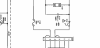
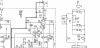
I want to confirm that the same X1/Y2 type safety cap can be used (assuming the correct uF rating) in either of the "line to ground" or "across the line" applications shown below. The cap I am planning to use is made by Vishay: VY2103M63Y5US63V7 (link is to Mouser), but there are others that could be substituted. This type of "Safety Cap" is designed to fail OPEN. This is a 0.01uF cap, which looks like this:
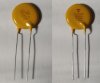
The two applications I have, both happen to be early 1960's tube integrated amplifiers, and have existing caps with the same 0.01uF rating, but they are installed differently.
Example 1 is a Fisher X-101-st, which has a 0.01uF cap from line to chassis ground (the black cap).
This is shown in the schematic as follows (cap is shown as C54):
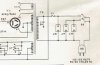
If this cap fails short, it will short line to chassis ground - not good. Given that this cap is ~60 years old, I understand that this type of cap should be replaced with a modern safety cap. I plan on using the 0.01uF X1/Y2 cap shown above wired exactly the same as the original cap - from line to chassis ground.
Example 2 is a Scott 222B. This cap is "across the line", connecting to both legs of the AC line cord (after the fuse). It is present in the amp, but is not included in the schematic. Not sure if this was added after the unit left the factory, but the unit looks untouched. This is the round ceramic .01 cap in photo.

Why did Scott use an "across the line" cap, while Fisher used a "line to ground" cap? I have read that the "across the line" can be used to reduce noise, but I'm not sure of this. Can I use the same X1/Y2 cap as I plan to use in the Fisher as an across the line cap in the Scott?
I assume that replacement of this ceramic cap is not absolutely necessary (unlike the Fisher), but I would think the modern safety cap would be a "safer" upgrade.
As stated above, I would like more knowledgeable members to confirm use of the same X1/Y2 Safety Cap in both of these applications, and correct any misinformation that I may have provided.
Here is a link to a very informative article from Just Radios on the subject that is the primary source of my research: https://www.justradios.com/safetytips.html
Gary
I want to confirm that the same X1/Y2 type safety cap can be used (assuming the correct uF rating) in either of the "line to ground" or "across the line" applications shown below. The cap I am planning to use is made by Vishay: VY2103M63Y5US63V7 (link is to Mouser), but there are others that could be substituted. This type of "Safety Cap" is designed to fail OPEN. This is a 0.01uF cap, which looks like this:
The two applications I have, both happen to be early 1960's tube integrated amplifiers, and have existing caps with the same 0.01uF rating, but they are installed differently.
Example 1 is a Fisher X-101-st, which has a 0.01uF cap from line to chassis ground (the black cap).
This is shown in the schematic as follows (cap is shown as C54):
If this cap fails short, it will short line to chassis ground - not good. Given that this cap is ~60 years old, I understand that this type of cap should be replaced with a modern safety cap. I plan on using the 0.01uF X1/Y2 cap shown above wired exactly the same as the original cap - from line to chassis ground.
Example 2 is a Scott 222B. This cap is "across the line", connecting to both legs of the AC line cord (after the fuse). It is present in the amp, but is not included in the schematic. Not sure if this was added after the unit left the factory, but the unit looks untouched. This is the round ceramic .01 cap in photo.
Why did Scott use an "across the line" cap, while Fisher used a "line to ground" cap? I have read that the "across the line" can be used to reduce noise, but I'm not sure of this. Can I use the same X1/Y2 cap as I plan to use in the Fisher as an across the line cap in the Scott?
I assume that replacement of this ceramic cap is not absolutely necessary (unlike the Fisher), but I would think the modern safety cap would be a "safer" upgrade.
As stated above, I would like more knowledgeable members to confirm use of the same X1/Y2 Safety Cap in both of these applications, and correct any misinformation that I may have provided.
Here is a link to a very informative article from Just Radios on the subject that is the primary source of my research: https://www.justradios.com/safetytips.html
Gary