• The move to the new server is done. There are some software and database maintenance updates in process. This has us passing the hat around to help out. We appreciate any donations. Seriously, even a dollar helps. The payment page may be found here - https://www.audiokarma.org/support.html

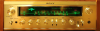
SONY STR 7065 vs 7065A??

Jefferson9

New Member
I’m having a hard time finding info about the key differences in the “A” model. I see it’s got a 5 watt difference. Is that all there is? Why are the A models much more expensive the the regular 65? Im in between buying one or the other. Any info would be appreciated!
 
Register to hide this ad
The 5 watt difference may not be anything different. Some manufacturers were conservative when it came to ouput. I know of a couple amplifiers where one is rated for 120wpc, and the later version is rated for 125wpc. The difference between them was cosmetic and the addition of meters in the later version.
After working on a few Sony pieces of equipment from that time period, the newer versions usually had a few tweaks to the circuit.
Between the TA-2000, TA3200 and TA-2000F, TA-3200F preamp/power amp combo, I would choose the later F versions over the original versions.
If hifiengine has both manuals, you could download both and compare.
 
I’m having a hard time finding info about the key differences in the “A” model. I see it’s got a 5 watt difference. Is that all there is? Why are the A models much more expensive the the regular 65? Im in between buying one or the other. Any info would be appreciated!
I can't really answer your question regarding the exact differences but I've never seen any claim that the A version was significantly superior in any way and therefore demanded a higher price. I don't know if you could even hear the supposed 5 watt difference between the two.

Personally, I'd probably consider the condition more important than which version it is.

https://audiokarma.org/forums/index.php?threads/sony-str-7065-v-str-7065a-differences.420650/
 
The 5 watt difference may not be anything different. Some manufacturers were conservative when it came to ouput. I know of a couple amplifiers where one is rated for 120wpc, and the later version is rated for 125wpc. The difference between them was cosmetic and the addition of meters in the later version.
After working on a few Sony pieces of equipment from that time period, the newer versions usually had a few tweaks to the circuit.
Between the TA-2000, TA3200 and TA-2000F, TA-3200F preamp/power amp combo, I would choose the later F versions over the original versions.
If hifiengine has both manuals, you could download both and compare.
I have a question about the 7065a
Is there anyway to bring the green face back to life after it has peeled off?
I have a mint version except for the loss of green on the face
 
Was there a green Velum defuser paper on the back of the dial plate to begin with, and someone peeled it off?
 
Last edited:
If so, you can buy new Velum paper in any color you want. I found several shades of green Velum paper on Amazon. Light, to dark. Or use white Velum paper and replace the bulbs with green LED lamps. The LED lamps will be brighter though.
 
If so, you can buy new Velum paper in any color you want. I found several shades of green Velum paper on Amazon. Light, to dark. Or use white Velum paper and replace the bulbs with green LED lamps. The LED lamps will be brighter though.
Can you recommend a brand to buy ?
 
I found some at Staples. I don't remember the brand though. It was sold by the sheet. Maybe get a few different shades of green to see what looks best. I replaced blue paper on a Marantz tuner. It just takes thin straps of tape at the edges to hold it down. I used one on each end and a couple 3" or so strips of tape on the top a d bottom edges.
 
I have a 7055a. I downloaded both service manuals and there are a lot of differences in the schematics.
 
Last edited:
I have a question about the 7065a
Is there anyway to bring the green face back to life after it has peeled off?
I have a mint version except for the loss of green on the face

No vellum paper. The green comes from the ends of the glass. The ends have a green paint/covering.
Just use green led's
 
No vellum paper. The green comes from the ends of the glass. The ends have a green paint/covering.
Just use green led's
So someone shaved the green paint off the ends then, I wonder why? There is that translucent glass paint sold to paint regular clear glass look like stain glass.
Its sold at hobby shops. But green LED's will get it green again.
 
I found some at Staples. I don't remember the brand though. It was sold by the sheet. Maybe get a few different shades of green to see what looks best. I replaced blue paper on a Marantz tuner. It just takes thin straps of tape at the edges to hold it down. I used one on each end and a couple 3" or so strips of tape on the top a d bottom edges.
Thank you so much
 
The heat from the incandescent bulbs is what peels the green paint off the glass. It also burns the paper reflectors behind the bulbs. (Either a design oversight by SONY, or they just didn't expect these receivers to be around 50 years later.)

It is true that the ends of the glass are painted green. Green glass paint from a craft or art store will restore it to the original look. I've tried green LEDs and don't like the look. It's the wrong green and the light cast on the dial is patchy and shadowy, due to the more direct light projection of LEDs vs incandescent and lack of anything to diffuse the light. Use the paint if you want the original look.

Once painted, a soft white LED (festoon lamp) will give the right look and won't give off enough heat to peel the paint / burn the reflectors. You can cut new reflectors from reflective, non-conductive card stock, also available at craft and art stores.

Here's how repainted glass, soft white LEDs and new reflectors (cut from reflective card stock) look on the dial of an STR-7055:

upload_2022-3-12_3-8-30.png
 
The heat from the incandescent bulbs is what peels the green paint off the glass. It also burns the paper reflectors behind the bulbs. (Either a design oversight by SONY, or they just didn't expect these receivers to be around 50 years later.)

It is true that the ends of the glass are painted green. Green glass paint from a craft or art store will restore it to the original look. I've tried green LEDs and don't like the look. It's the wrong green and the light cast on the dial is patchy and shadowy, due to the more direct light projection of LEDs vs incandescent and lack of anything to diffuse the light. Use the paint if you want the original look.

Once painted, a soft white LED (festoon lamp) will give the right look and won't give off enough heat to peel the paint / burn the reflectors. You can cut new reflectors from reflective, non-conductive card stock, also available at craft and art stores.

Here's how repainted glass, soft white LEDs and new reflectors (cut from reflective card stock) look on the dial of an STR-7055:

View attachment 2509776

Wow that is incredible
Thank you for sharing. Can you remember what shade of green it is and where u purchased.
 
Wow that is incredible
Thank you for sharing. Can you remember what shade of green it is and where u purchased.

I still have it. (It takes very little to do the dial ends, so it goes a long way.) It's from a French company called Pebeo and the glass paint is called Vitrea 160. I got the pen, which makes application easy, plus it's much less expensive than a full jar, which isn't necessary. I believe I picked it up at Blick art supplies because I wanted to look at the colors in person, but it's also pretty easy to find online. I simply went through the greens and chose the one that appeared to best match the original color: Frosted "Mint." (They make both frosted and glossy.)

I found multiple thin coats worked well, rather than trying to put on a thicker layer all at once. The trick is to get the right amount of coats for the best color, diffusion and light level.

It's been at least five years since I did the dial in the photo and there's been no deterioration whatsoever, no fading, no becoming more opaque, color change, or peeling of any kind. So far it has been very stable.
 
I still have it. (It takes very little to do the dial ends, so it goes a long way.) It's from a French company called Pebeo and the glass paint is called Vitrea 160. I got the pen, which makes application easy, plus it's much less expensive than a full jar, which isn't necessary. I believe I picked it up at Blick art supplies because I wanted to look at the colors in person, but it's also pretty easy to find online. I simply went through the greens and chose the one that appeared to best match the original color: Frosted "Mint." (They make both frosted and glossy.)

I found multiple thin coats worked well, rather than trying to put on a thicker layer all at once. The trick is to get the right amount of coats for the best color, diffusion and light level.

It's been at least five years since I did the dial in the photo and there's been no deterioration whatsoever, no fading, no becoming more opaque, color change, or peeling of any kind. So far it has been very stable.
Fantastic
2 more questions
Do you live Michigan? Blick is close to my home
How many coats ?
 
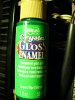
One other alternative is green craft paint from Michael's or a similar craft store. I've used this paint to restore the dial glass edges on several Sony receivers. I do put 3-4 coats on to get an even coating. Although I've painted over the old paint a few times, I think it's better to remove the old paint if possible for a more uniform result.

50 Green's might be more accurate and the pen dispenser sounds easier but I've been happy with the results I've gotten.

P1030735.JPG P1030734.JPG

66775806070__285D3EF6-FEAE-4FF0-9737-3CF54E66A1F6.JPG IMG_0437.JPG
 
One other alternative is green craft paint from Michael's or a similar craft store. I've used this paint to restore the dial glass edges on several Sony receivers. I do put 3-4 coats on to get an even coating. Although I've painted over the old paint a few times, I think it's better to remove the old paint if possible for a more uniform result.

50 Green's might be more accurate and the pen dispenser sounds easier but I've been happy with the results I've gotten.

View attachment 2509928 View attachment 2509929

View attachment 2509934 View attachment 2509935
I am kinda confused? So you just paint the ends and not the entire glass?
 
Back
Top Bottom