mboxler
Well-Known Member
I started a similar thread on the Klipsch forum a few years ago that didn't get much interest. Even though that will probably happen here as well, I thought I'd still offer to assist anyone curious about how Klipsch crossovers work. I'm by no means an expert, so I know I'll learn some tips as well.
I chose LTspice because it's the only free software I could find that allowed for autoformer simulation. My driver simulations (inductors with DC resistance) are always a work in progress.
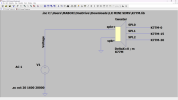
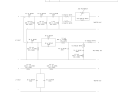
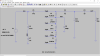
To get things started, here's a file I have of the Type AA crossover. It's named Type AA.txt because this site doesn't allow for a .asc extension. Once downloaded, rename it to Type AA.asc and open it in LTspice. At least I hope this work around works.
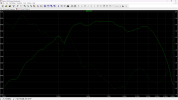
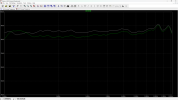
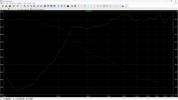
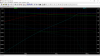
After running the simulation, then clicking on K33, In1, K55, and K77, you should get the following plots.
Mike
I chose LTspice because it's the only free software I could find that allowed for autoformer simulation. My driver simulations (inductors with DC resistance) are always a work in progress.
To get things started, here's a file I have of the Type AA crossover. It's named Type AA.txt because this site doesn't allow for a .asc extension. Once downloaded, rename it to Type AA.asc and open it in LTspice. At least I hope this work around works.
After running the simulation, then clicking on K33, In1, K55, and K77, you should get the following plots.
Mike


 .
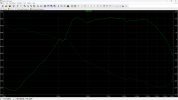
. I created such a file using a K77M. Here's the model, no crossover components