

-
Feeling lucky? Check out the AK 24th Anniversary Giveaway thread and join in the fun!
You are using an out of date browser. It may not display this or other websites correctly.
You should upgrade or use an alternative browser.
You should upgrade or use an alternative browser.
Your photo, critiqued and/or praised. It's about learning and improving.
- Thread starter tybrad
- Start date
frperdurabo
AK Member
Another angle:
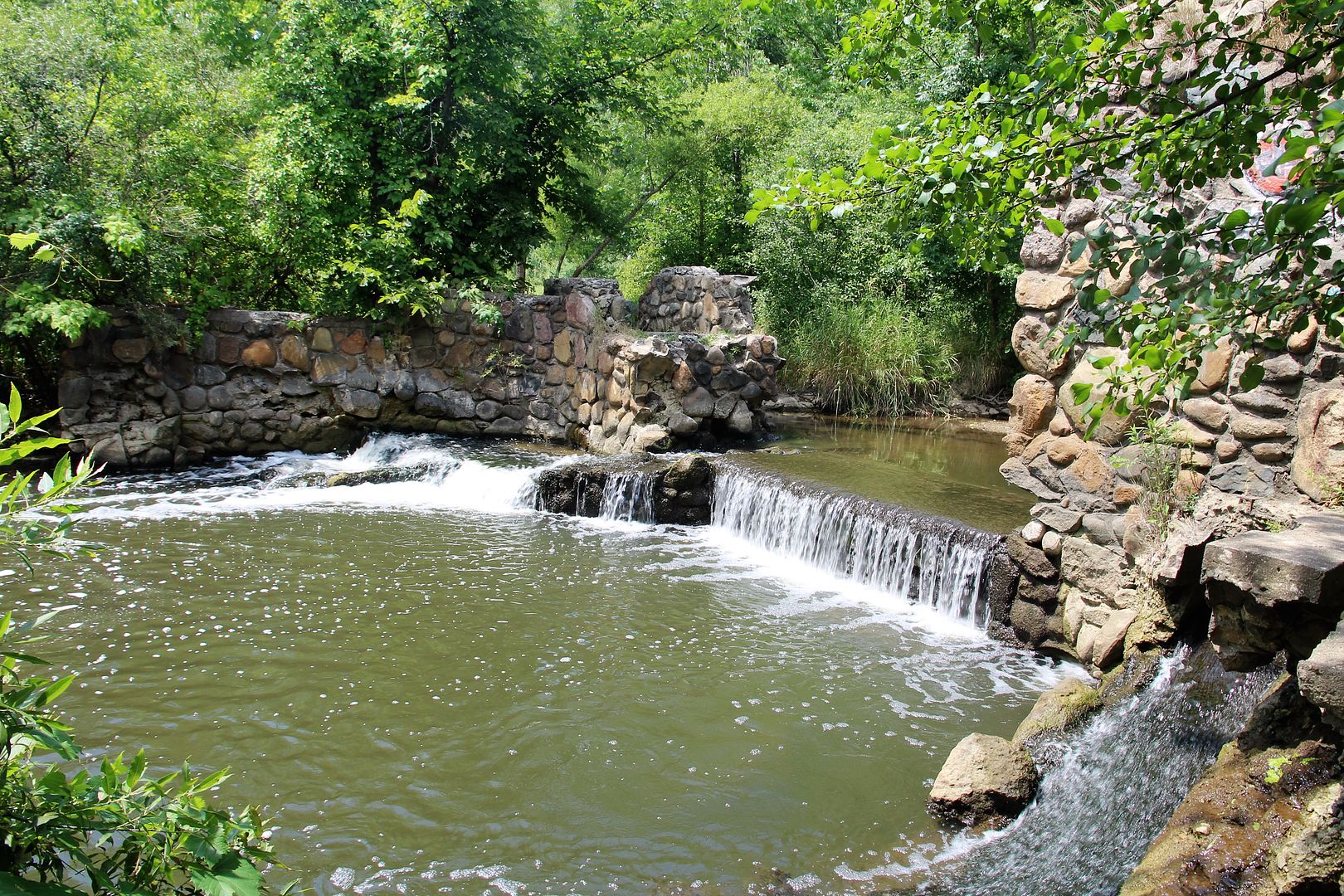
I like the framing on this one a bit more than the other, but honestly they're both good.
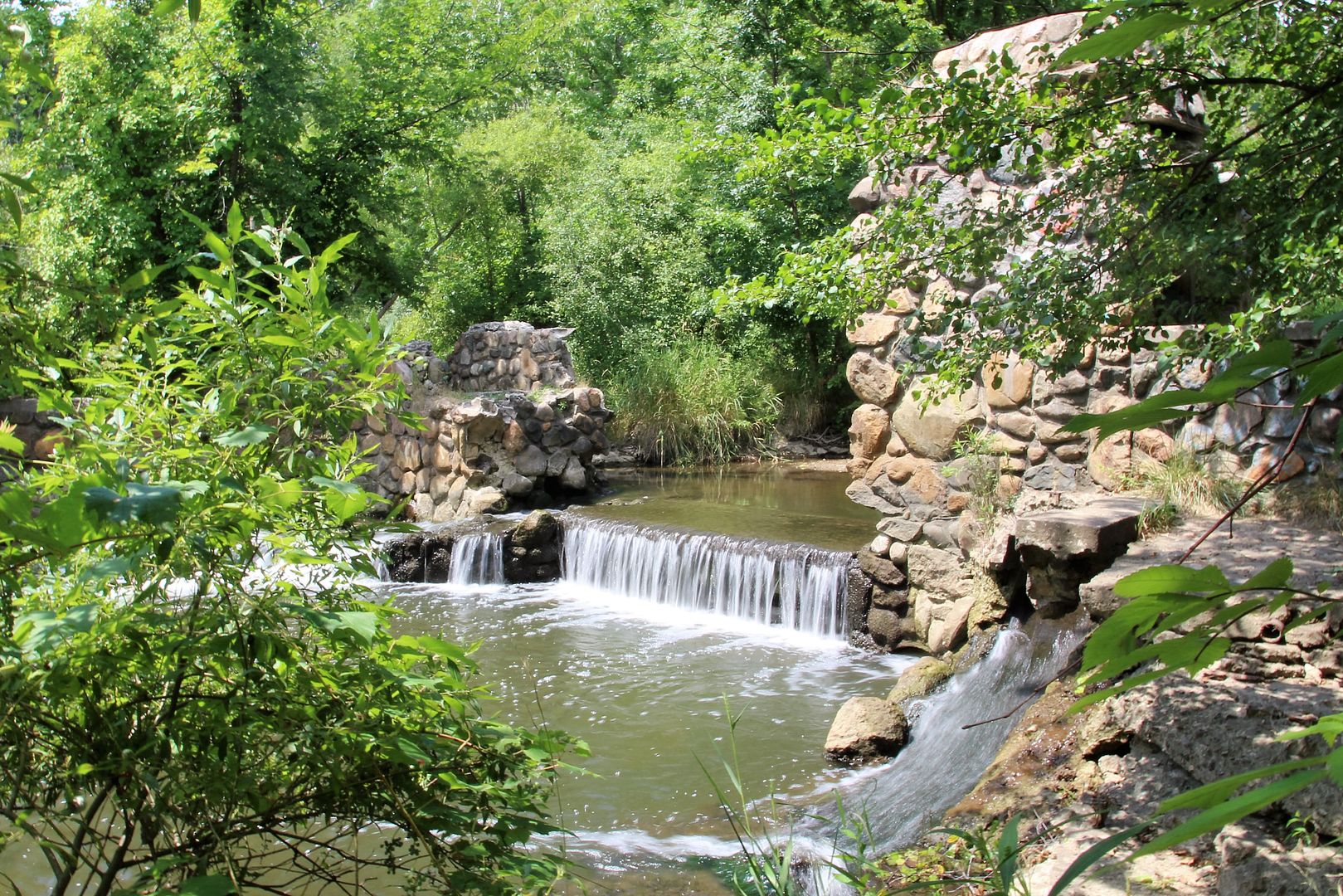
It's a nice subject. What follows will be nit-picking, but here goes:
1. I'd use a polarizer. This is "hot" mid-day lighting - there's a lot of glare. The polarizer will get rid of that and help saturate the colors. There are specular highlights in the foliage and in the foaming water that are burned out - the polarizer will help a lot with that, too. Another option is expose less; you can dig a lot of detail out of an underexposed image, but you can't fix highlights that don't have any detail.
2. The horizon isn't level. You could fix that in pretty much any image editing software; I use Adobe Lightroom, which also allows for more complicated perspective control fixes. If you use your camera's rear LCD display, you can have it display a level horizon line.
I kinda like the fact this is taken at mid-day; "magic hour" light is a bit of a cliche.

I like the framing on this one a bit more than the other, but honestly they're both good.
It's a nice subject. What follows will be nit-picking, but here goes:
1. I'd use a polarizer. This is "hot" mid-day lighting - there's a lot of glare. The polarizer will get rid of that and help saturate the colors. There are specular highlights in the foliage and in the foaming water that are burned out - the polarizer will help a lot with that, too. Another option is expose less; you can dig a lot of detail out of an underexposed image, but you can't fix highlights that don't have any detail.
2. The horizon isn't level. You could fix that in pretty much any image editing software; I use Adobe Lightroom, which also allows for more complicated perspective control fixes. If you use your camera's rear LCD display, you can have it display a level horizon line.
I kinda like the fact this is taken at mid-day; "magic hour" light is a bit of a cliche.
Good stuff. Thanks.
I actually was using a polarizer, but wondering if the impact was lost in over-exposure. I had the aperture nearly closed and used a longer shutter speed to get the water effect.
frperdurabo
AK Member
Good stuff. Thanks.
I actually was using a polarizer, but wondering if the impact was lost in over-exposure. I had the aperture nearly closed and used a longer shutter speed to get the water effect.
Interesting. It's a little "hot". a neutral density filter will let you use long exposure for blurring water w/o overexposing. Your camera has a setting - informally called "blinkies" - that warns you visually about overexposed areas in the picture. The best exposure is a 1/3rd of stop lower than the one that provokes the "blinkies" (but test this with your own camera and processing - it's not always true).
The "best" exposure (assuming you shoot raw) may look very different from what looks good on the back of the camera. Not to toot my own horn, but here's an illustrated write up on the subject: http://www.steve-fretz.com/tech-tal...xposing-for-the-highlights-under-construction

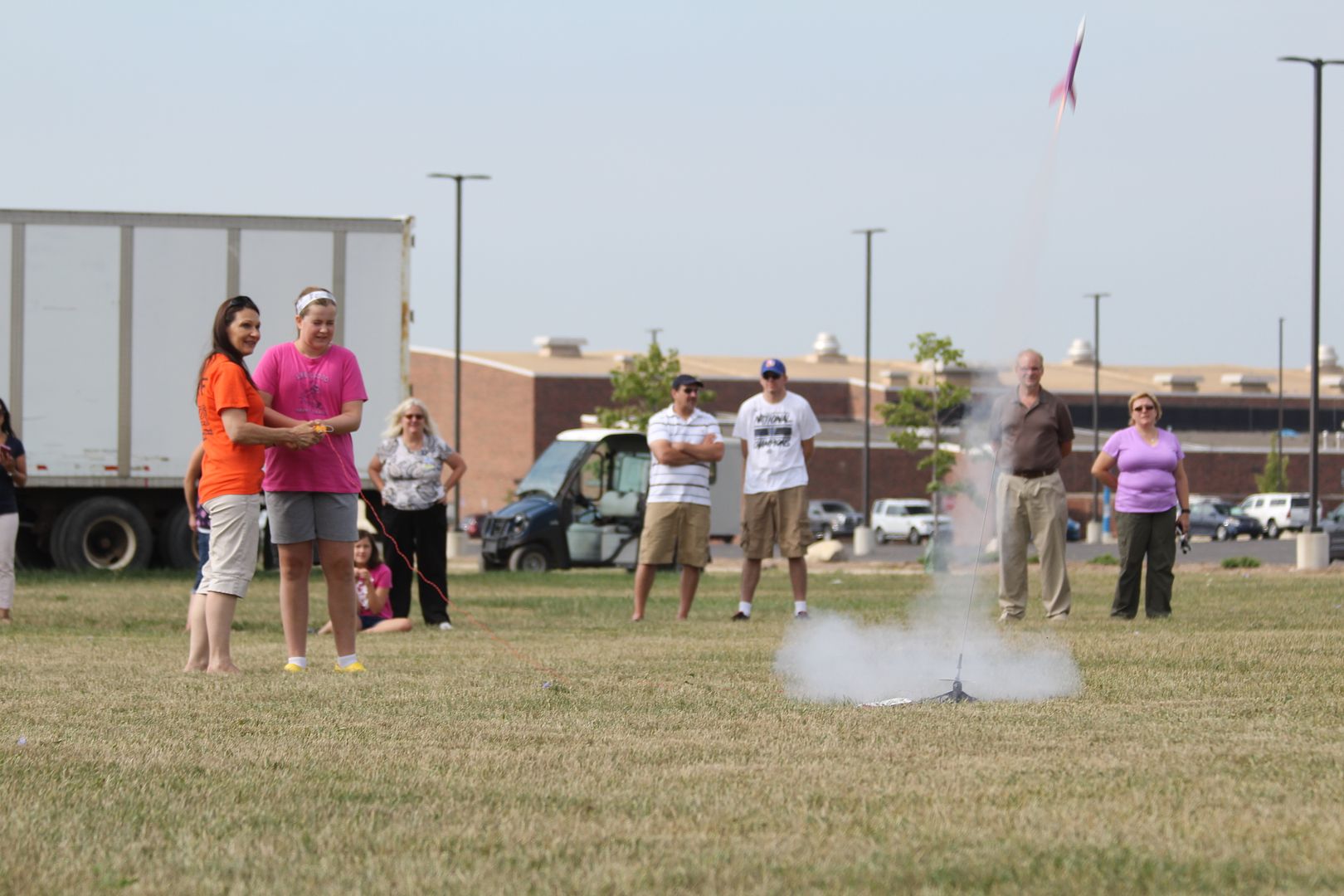
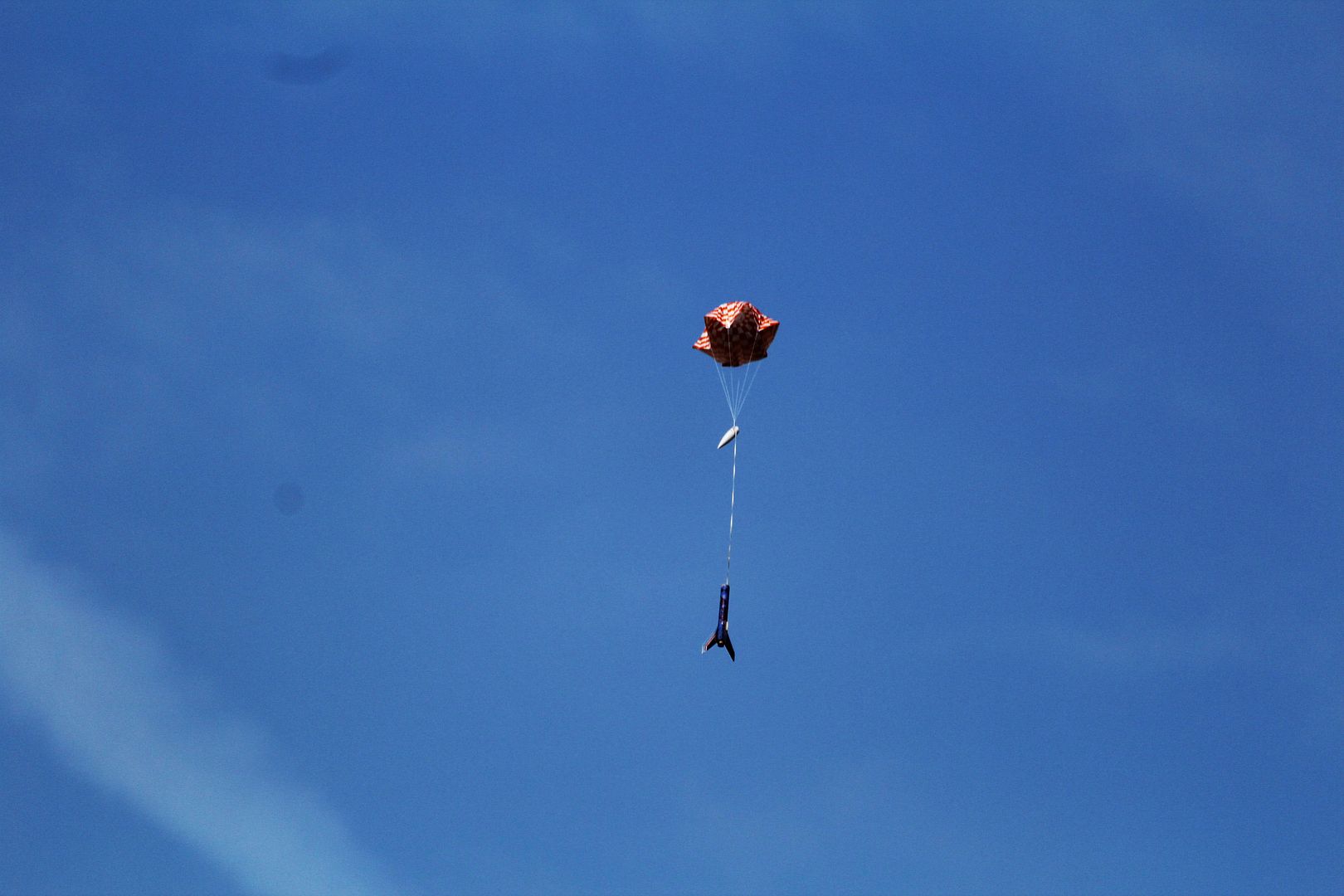
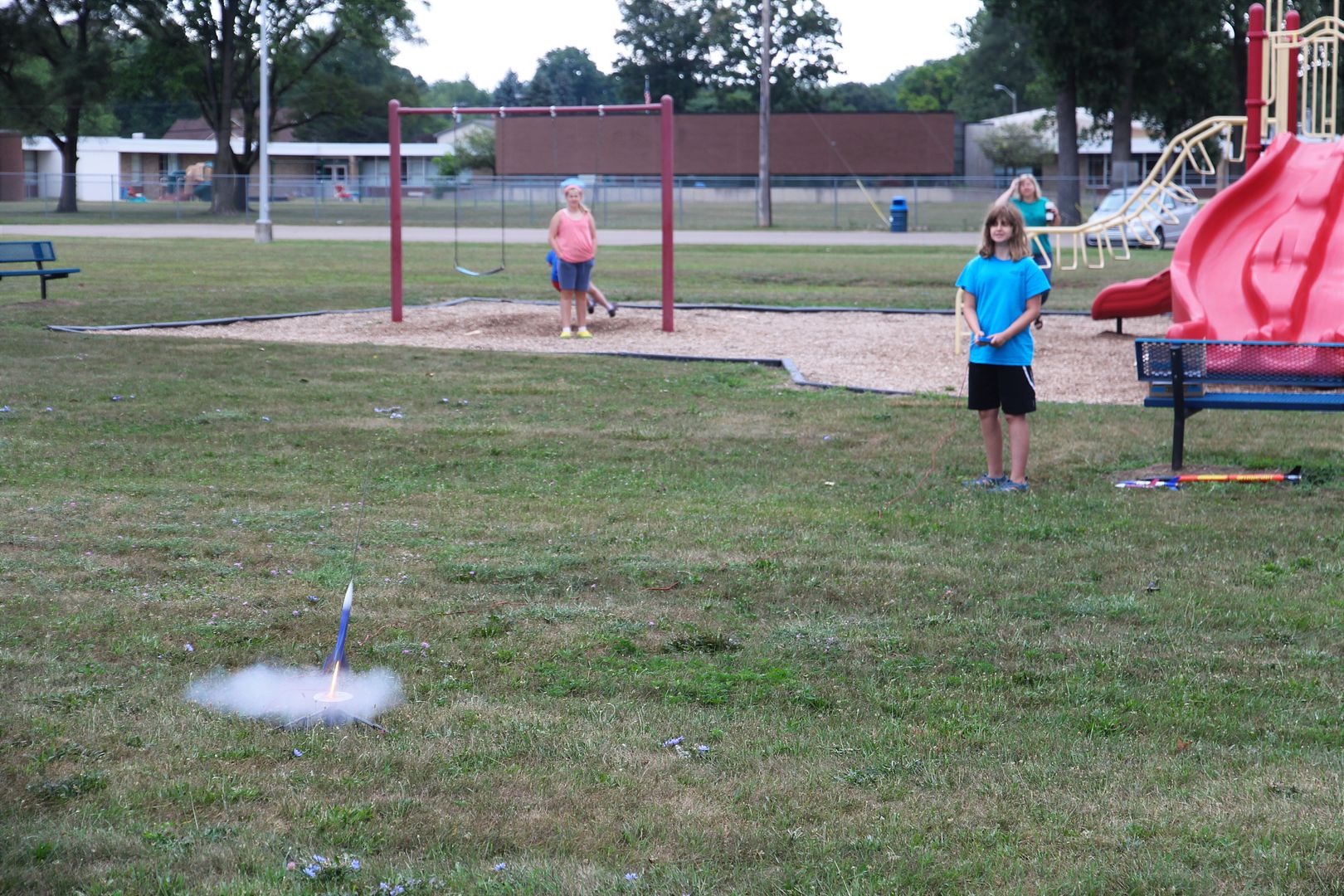
A few comments:Second try, did a bit better. Faster shutter spreed.
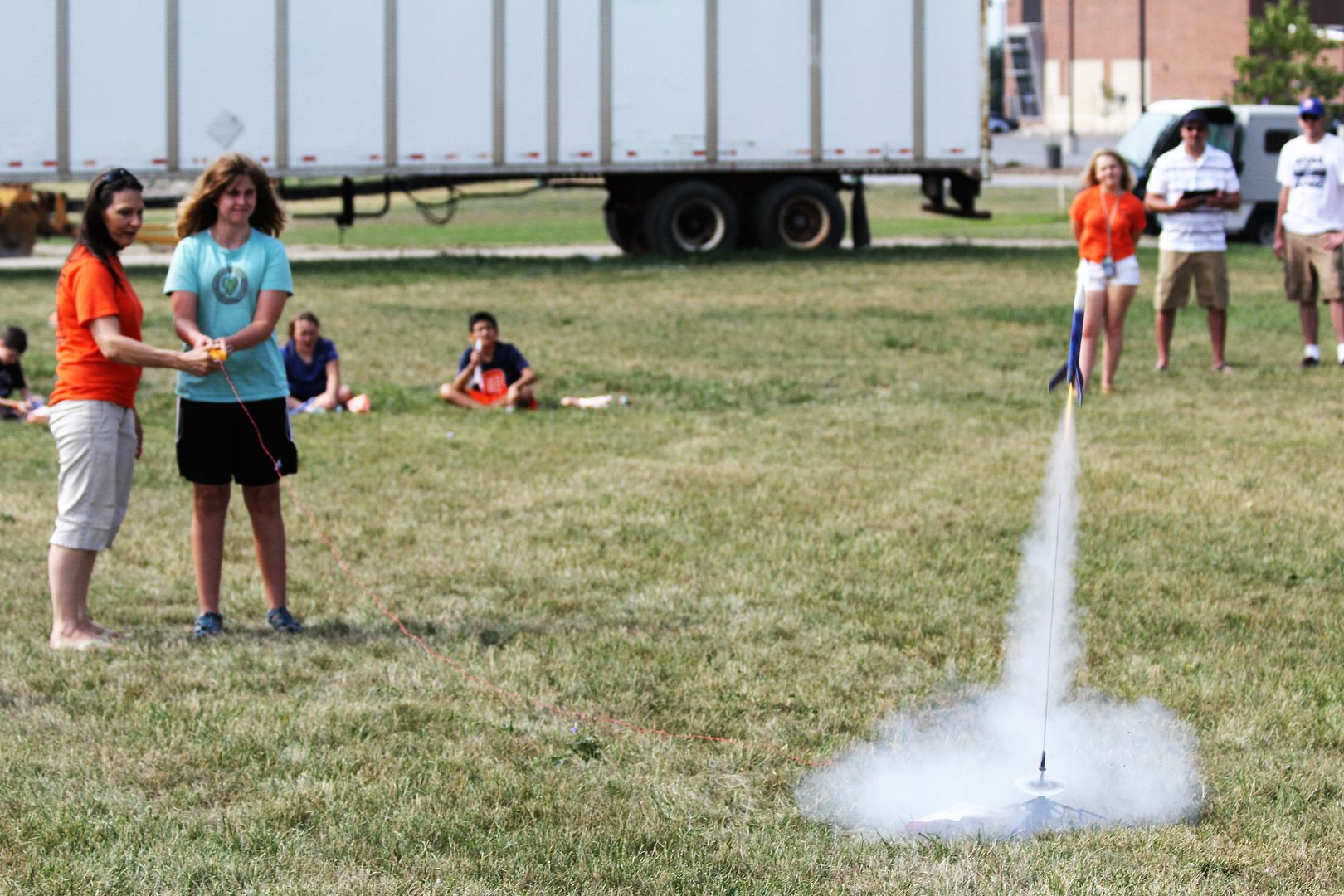
1) great timing for the shutter click!
2) If your camera has a "sports" mode, you might try it, to automatically get a fast shutter speed, instead of needing to experiment. [Edit: in some cameras, the sports mode also sets the shutter to multiburst, giving you a greater likelihood of capturing the optimum moment.]
3) The point of view has caused the rocket to be confused with people in the background. If you had the opportunity, moving to the right to put the rocket in front of an open space (and visually closer to the kids launching it) would make a clearer image.
frperdurabo
AK Member
Took a pontoon boat ride through NJ's Hackensack Meadowlands this afternoon:
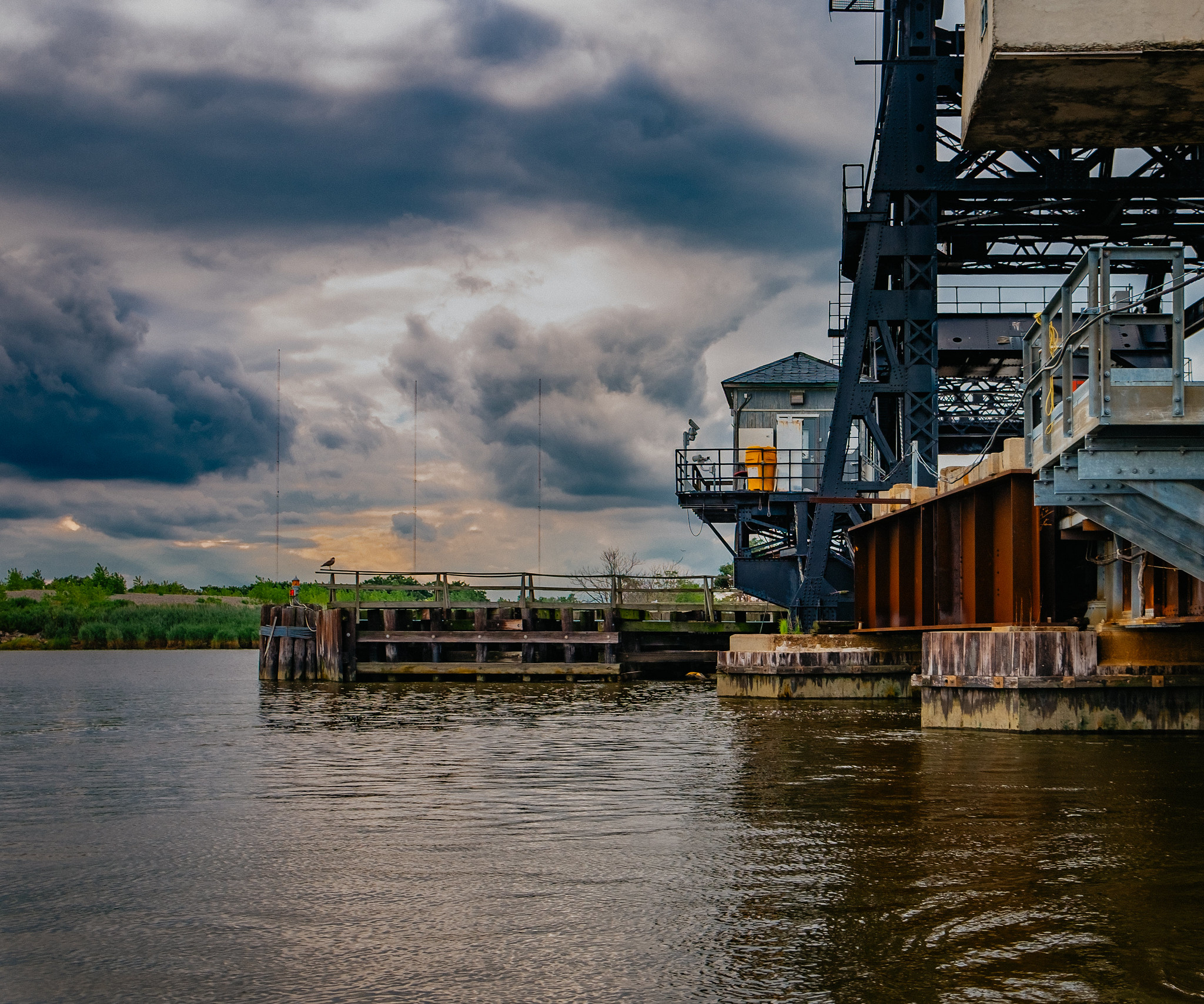
Striking geometry, plus lots of detail, and gorgeous color - what's not to like?Took a pontoon boat ride through NJ's Hackensack Meadowlands this afternoon:
{Edit: will you tell us how much post processing, cropping, etc. you did?}
frperdurabo
AK Member
Striking geometry, plus lots of detail, and gorgeous color - what's not to like?
{Edit: will you tell us how much post processing, cropping, etc. you did?}
*blushes* Thank you.
I use Adobe Lightroom and shoot raw. I used my Fuji XE2 instead of FF Nikon gear because the zoom lens I have for the Fuji has internal stabilization, which seemed like a good idea for a boat ride.
The original raw file looks a bit overexposed: that's intentional. Exposing To The Right is how you get the most data. (https://en.wikipedia.org/wiki/Exposing_to_the_right, or check the entry I posted a bit upthread)
In Lightroom I applied the graduated filter tool to the whole picture. I knocked down the highlights and boosted the shadows, then darkened the whole exposure. Used Lightroom 6's "dehaze" control a bit on the sky. (In an older version of LR I would've painted the sky with the adjustment brush, then increased contrast, played with the clarity slider a bit, and maybe boosted color saturation a tad)
Color "as shot" was too blue - not surprising for being on open water. Clicking on "daylight" warmed it up and made it look natural.
I used VSCO's Kodacolor Gold 100 preset. (It's part of their free sample pack, and well worth downloading). In the film days I carried multiple bodies/backs with different film stocks; digital gives me tons of them, just a click away. Alternatively, I could've played with the Hue, Saturation, and Luminence controls to do the same thing: make the sky punchier, and get subtle shades to "pop" - especially the warm colors close to the horizon.
This was shot hand-held from a boat - but perspective was mostly OK. (ETA: nope, horizon was crooked - used LR's automatic perspective fix button - it worked perfectly) I cropped a bit on the left and the right.
This sounds like a lot, but probably took five minutes, maybe less. Knowing where I wanted to go with the image made the mechanics of it easy; I don't "previsualize" the fine print in the way Ansel Adams did, but knowing what information is in the files and what it should look like when all that data is realized makes it easy.
Here's an example I wrote up, with screen shots: http://www.steve-fretz.com/tech-talk/2016/6/22/how-i-expose-and-process-part-i
And my own "Expose To The Right Example: http://www.steve-fretz.com/tech-tal...xposing-for-the-highlights-under-construction
I've been shooting seriously since the mid eighties; what I'm describing above is just a digital version of what Ansel Adams and others did with analog's "Zone System."
Last edited:
...I use Adobe Lightroom and shoot raw...
...Used VSCO's Kodacolor Gold 100 preset. (It's part of their free sample pack, and well worth downloading).
...This sounds like a lot, but probably took five minutes, maybe less.
...what I'm describing above is just a digital version of what Ansel Adams and others did with analog's "Zone System."
I guessed there was quite a bit of tonal adjustment. The important thing is that it doesn't give itself away as obviously manipulated.
Thanks for the tip on VSCO - will have to try it. Do you ever try the "Clarity" slider to pull out more apparent detail while dodging/burning/adjusting levels a bit less?
This book:
https://www.amazon.com/Ansel-Adams-...70239062&sr=1-2&keywords=ansel+adams+in+color
talks about Ansel Adams' color work and how he was a decade or two too early to get the adjustment capability he wanted in color photography. He felt that the electronic processing capability then available only for major magazine printing looked promising for the future.
frperdurabo
AK Member
I guessed there was quite a bit of tonal adjustment. The important thing is that it doesn't give itself away as obviously manipulated.
Thanks for the tip on VSCO - will have to try it. Do you ever try the "Clarity" slider to pull out more apparent detail while dodging/burning/adjusting levels a bit less?
This book:
https://www.amazon.com/Ansel-Adams-...70239062&sr=1-2&keywords=ansel+adams+in+color
talks about Ansel Adams' color work and how he was a decade or two too early to get the adjustment capability he wanted in color photography. He felt that the electronic processing capability then available only for major magazine printing looked promising for the future.
Thanks for the compliment re "manipulated" - that's always the fear when doing this stuff.
I own the Adams color book (or rather, it's in my ex-wife's basement) ... he was quite bullish on digital photography, which no doubt pisses off his disciples no end.

The clarity slider, like the new "dehaze" slider has to be used with care. I mostly employ in shadowy areas when I want things to "pop" a bit. It's like salt or pepper ... important, but easy to overdo.
Physically, I'm a huge klutz, and my ADHD addled brain doesn't help - I read Adam's books on the Negative and Print, and understood, more or less, the theory, but carrying them out in a physical darkroom was beyond my skill or discipline level. Digital is a godsend. (And I do shoot film, sometimes - but scan it).
Color printing with an Epson photo printer is another Godsend ... and I used to own an automated Cibachrome processing machine.
The clarity slider, like the new "dehaze" slider has to be used with care
... and I used to own an automated Cibachrome processing machine.
Absolutely agree on using"clarity" with care - but just a touch gives the same sort of mid-size detail boost and lens flare compensation that you used to get from Kodachrome.
I trashed all my darkroom gear including the Cibachrome drums and motor pedestal when I moved last November - couldn't even get someone to take them for free. I have some Ciba prints from the 80s, some on the wall and some waiting to be swapped out now and then. They have faded slightly yellow in all that time, which doesn't hurt most of the subjects much. But digital prints can be made even better, do not fade terribly these days, and can be replaced easily if they do. Plus, I am tempted to scan some of the slides and remove telephone poles and such that I couldn't do with optical printing.
I took a class in preservation/restoration of heirlooms this spring, and for photos and other paper items, they tell you to scan them, store them safely, and display digital copies.
frperdurabo
AK Member
I recently bought a Pacific Imaging 35mm scanner, but it arrived DOA. Got my money back, but haven't decided whether to buy another one or not ... based on online reviews, they're great when they work, but seem to have QA issues. Nikon scanners are selling for more than they cost new.
When you figure out your scanning hardware/workflow, post on it, OK?
When you figure out your scanning hardware/workflow, post on it, OK?
I use a Plustek OpticFilm 7600i for 35mm, Epson Perfection 4490 Photo for everything else. Fortunately the Epson software/drivers work fine with Windows 10. The Plustek was another story. I am using Vuescan to drive it.
frperdurabo
AK Member
I use a Plustek OpticFilm 7600i for 35mm, Epson Perfection 4490 Photo for everything else. Fortunately the Epson software/drivers work fine with Windows 10. The Plustek was another story. I am using Vuescan to drive it.
Thanks.

