Last edited:
Bits are bits but likewise noise is noise. ISO-CAT6 uses an isolation transformer to reduce noise. I replaced the CAT5e with CAT6 in my home network and use linear power supplies with cable modem and router for the same reason. Sonore has an updated version of my ultraRendu endpoint with one supporting optical ethernet for galvanic isolation.
I cannot speak to this specific product, but have found the reduction of RFI noise across many types of cables can improve transparency via a lower noise floor.


This link is everything I would wordsmith into a response.
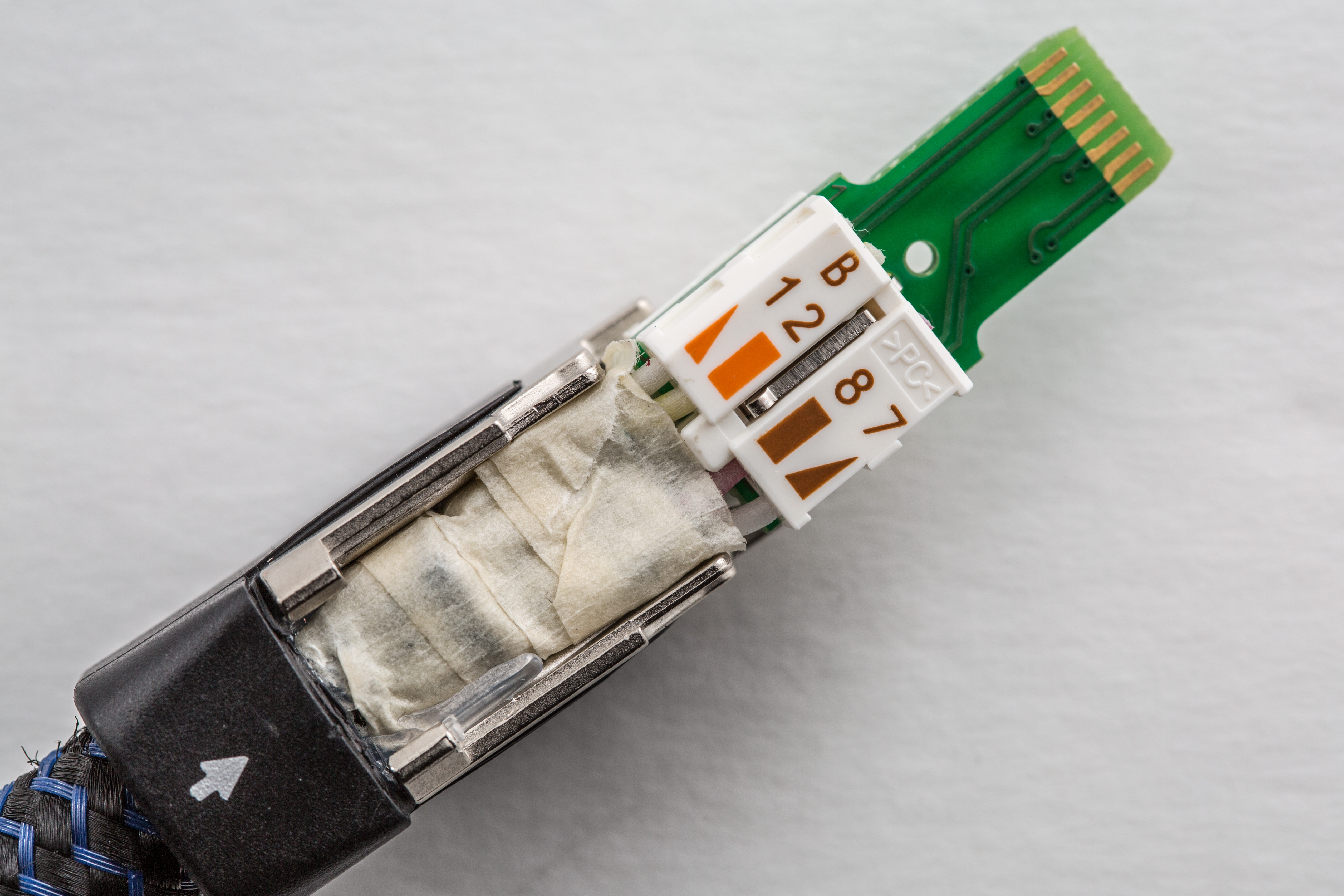
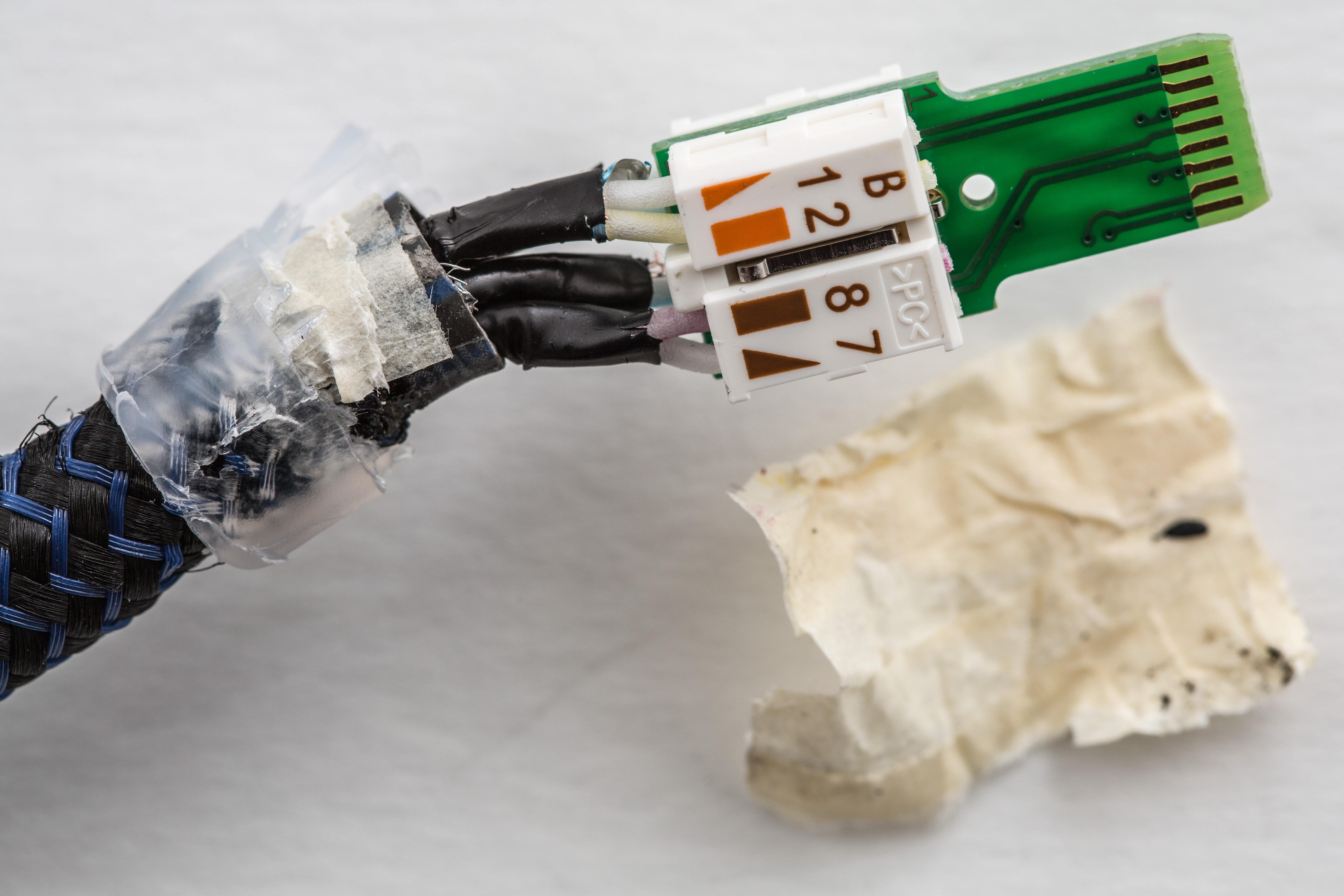
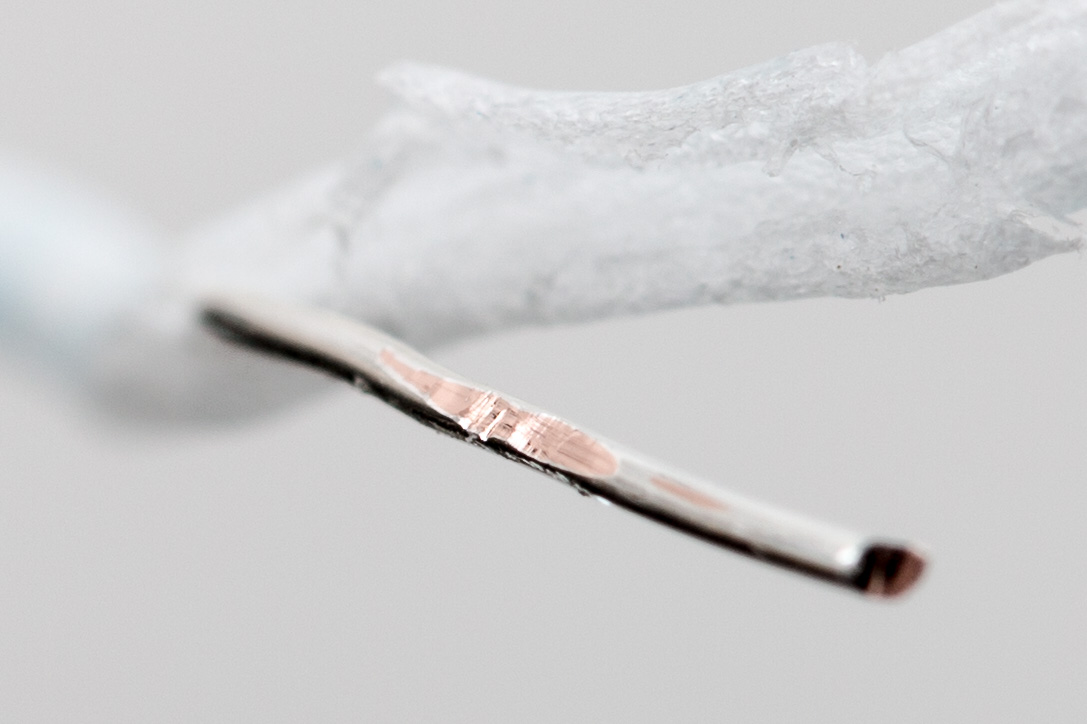
https://arstechnica.com/gadgets/201...40-audiophile-ethernet-cable-and-look-inside/
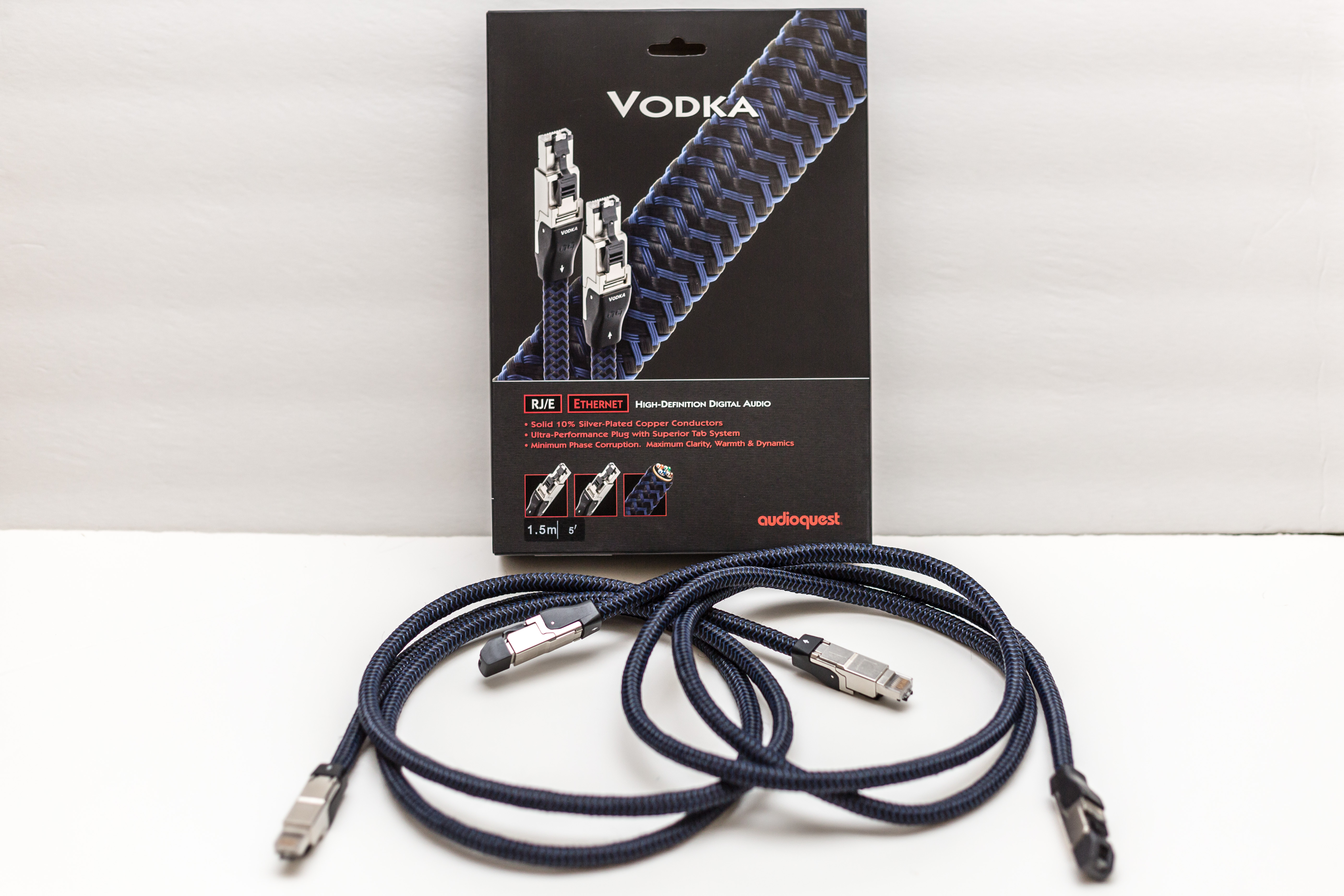
Aren’t these from the same reputable company that brought us the $500 battery operated speaker wire?![]()
The manufacturer claims that the silver plating is "excellent for very high-frequency applications, like Ethernet audio
Aren’t these from the same reputable company that brought us the $500 battery operated speaker wire?![]()
Well, gigabit Ethernet is quite high frequency...
Admittedly, I manage to get away with bog-standard cat5e from the pound shop. Without the audiophile masking tape (sorry, I mean the "electron spin aligning membrane").
You do realize that we are talking digital signals
Sure it does - happens to be a square wave but it is analog until it is detected at the receiver.You do realize that we are talking digital signals....1s and 0s. An analog wave form does not traverse a network cable.
Sure it does - happens to be a square wave but it is analog until it is detected at the receiver
Of course I do. I'm pointing out that gigabit ethernet does use a rather high frequency digital signal.
The rest of the puff is a lot of audiophoolery. Did you not get that message from the piss-taking in the rest of my post? Or do you believe in electron spin aligning membranes...?
Sure it does - happens to be a square wave but it is analog until it is detected at the receiver.
Don't recall anyone talking about Audioquest cable.This link is everything I would wordsmith into a response.
Which is why I use CAT6. It offers lower crosstalk and noise without the potential of sending noise to the target device via the shielding.Well, if the shielding is connected to the metal ends of your cat 6/7 cable and the corresponding RJ - 45 jacks are also shielded and connected to ground in your equipment you could be injecting digital noise into downstream components through the shield. So, yes it could hurt. But hey try it out and see what happens.
Exactly.There are real technical reasons why Ethernet may impact audio system quality.
Don't recall anyone talking about Audioquest cable.