• The move to the new server is done. There are some software and database maintenance updates in process. This has us passing the hat around to help out. We appreciate any donations. Seriously, even a dollar helps. The payment page may be found here - https://www.audiokarma.org/support.html

Can I replace NPO, N750 with Polystyrene Capacitors

19Brendan80

AK Subscriber
Subscriber
Hey guys, New member here trying to learn what I can about electronics. This time specifically tube equipment. I recently recapped a couple bogen db110 amplifiers and they sound fantastic. I have also built a tube phono preamp from scratch (reading schematics) before. I can read and follow schematics. I just bought a Bell 3030 stereo tube amplifier and am going to fix it up as a gift for a friend who helps me out quite a bit. I have read all about replacing capacitors and fixing/upgrading old tube amps. I searched specifically for my question but couldn't find anything. I have heard that replacing the old ceramics with polystyrene is a great upgrade and seemed to sound great in the Bogen amps.

My question is can I replace the special NPO (cog?) and N750 caps with polystyrene? I have heard that these caps should be fine as they very rarely go bad but would like to upgrade it closer
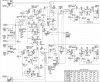
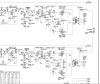
to audiophile status. If not polystyrene is there another audio grade capacitor that might be a better choice? I think from what I've gathered the N caps are thermally rated differently than standard ceramic caps so they don't drift in value. I've attached schematics of the amplifier and highlighted the caps in question with a red dot. There are 7 capacitors in question. They seem to be in the signal path for the phono stage and do something with the treble potentiometers. I'm not sure why they're specifically called out to be special capacitors.

Thank you in advance for your time.
Inkedschematic1 bell3030.jpg schem 2.png
 
Register to hide this ad
Size will be significantly different. Styrol caps get pretty big pretty fast, especially with working voltage. Also, Styrol caps are VERY sensitive to heat, particularly during soldering.

Rich P
 
Polystyrenes, Polypropylene, even Mylar/Polyester and Mica will be better than 50-60 year old ceramics. While soldering these small capacitance value caps, heatsinks are essential, in order to retain the proper cap value. 'Styrenes can melt in a second...Quick soldering will also help, but retrofitting EQ caps is a delicate matter.

Many antique radio, record player and audio collectors believe that ceramic caps are rugged and sturdy. I have heard some folks say they (the ceramic caps) will be around and usable long after they (the end users) are gone. I do not buy into that the ceramics are rugged and stay in value over time. In fact, as these amps heat, then cool, heat then cool, for decades, the ceramic caps will eventually change in value. Changed EQ value caps change the EQ !
More importantly, if you think the ceramics sound good to you, wait until you hear how much better the film caps will sound....
 
those were probably chosen more for accuracy and tolerance than their temperature properties. Those caps look to be used for loading the phono cart and in the phono EQ circuit. Neither should be seeing any voltage worth talking about, so you can use low volt parts for size reasons. It just wants to be something with a tight tolerance in order to maintain loading and proper EQ curve.
 
Thank you for responses. Looks like I'll definitely be replacing them along with the other ceramics. I had planned on replacing the other ceramics with polystyrene and the mfd with polypropylene like i had with the Bogens. Thanks for the tips on the heatsink idea. I've heard of using alligator clips for heatsinks. I just wanted to make sure they didn't have to be special ceramic. I'm excited to get this project going.
 
NPO and COG ceramics are both very good and stable over temperature, and I would not replace them. N750 means -750ppm tempco. If they were X7R or worse, like Z-body, then I'd evict them and look for new tenants.
 
Back
Top Bottom