• The move to the new server is done. There are some software and database maintenance updates in process. This has us passing the hat around to help out. We appreciate any donations. Seriously, even a dollar helps. The payment page may be found here - https://www.audiokarma.org/support.html

Coffee. Anything coffee related.

Nope. Not even close.

It's not from Planters or Jimbo's Jumbos either. :)

It is extremely famous and I guarantee you know what it is... you just don't know it.
 
Last edited:
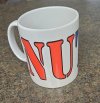
Clue #2

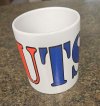
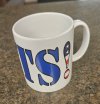
The font, the colors of the font, and the American symbolism in the exclamation point are all relevent as what this actually represents.
 
I think I know but will only say that perhaps we'll have to start calling you Mucho "Nuts" Reverbo.
That might be true but nope that's not it.;)

Clue #3

I purchased the coffee mug from a gift shop in Europe.

Think hard. What does it mean? Europe. United States. What's the relationship?

What do the colors mean?:dunno:
 
Last edited:
Busted another 3 cup Chemex last night doing the dishes. It alway happens when cleaning. This one lasted into the 6th box of 100 filters so the glass as a consumable cost adds $0.03 per day to $0.20 per day for the filter. Negligible really. I don’t own a machine, so used a French press today. Might use the Moka Pot or pour over tomorrow. I should make it to Friday ok fine.
 
That's right man! It was purchased at the Battle of The Bulge Museum gift shop in Bastogne. I visited Bastogne after touring Dieppe and Normandy.


Brigadier General Anthony McAuliffe famously replied "NUTS!" to a German demand to surrender during the Battle of the Bulge.

The Siege of Bastogne

  • On December 21, 1944, German forces completely surrounded the strategic crossroads town of Bastogne, Belgium.
  • The U.S. 101st Airborne Division and attached units were trapped inside, facing freezing weather, dwindling ammunition, and no immediate relief.
The German Ultimatum
  • On December 22, 1944, four German representatives approached the American lines under a white flag.
  • They delivered a formal, typed letter from the German commander.
  • The letter demanded the surrender of Bastogne to avoid "total annihilation," giving the Americans two hours to comply.
The Legendary Reply
  • Brigadier General McAuliffe reportedly laughed when he read the demand and first said, "Aw, nuts,".
  • His staff agreed that this short, dismissive American slang was the best possible answer.
  • The official typed reply handed to the German officers contained only one word: "NUTS!"
The Aftermath
  • The German officers were confused by the slang, prompting an American officer to clarify that it meant "go to hell" and that they would fight to the death.
  • The defiant response boosted Allied morale and symbolized the stubborn resistance of the trapped troops.
  • American forces held Bastogne until the siege was lifted, helping defeat the German offensive.

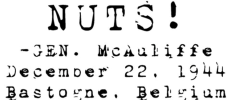
Here was the actual message handed to the Germans to take back to their commander:

1789080858387.png

Notice the font. The orange and blue colors used on the mug are associated with the 1st Brigade Combat Team, 101st Airborne Division—known as the Bastogne Brigade.

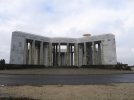
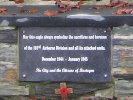
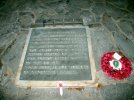
Here are a few pictures I took while at the memorial:

The states that each American killed in action came from is engraved in the monument.

IMG_8053.JPG

IMG_8051.JPG

IMG_8051s.jpg

IMG_8060.JPG

The Battle of the Bulge was the largest and deadliest single battle fought by the United States during World War II.

Battle Overview

    • Dates: December 16, 1944 – January 25, 1945
    • Location: The rugged, densely wooded Ardennes Forest spanning Belgium and Luxembourg.
    • The Offensive: Adolf Hitler launched a surprise final counteroffensive in the West aiming to split Allied lines, retake Brussels, and capture the vital supply port of Antwerp.
Casualties and Impact
    • U.S. Losses: Approximately 19,000 American soldiers were killed, with total U.S. casualties exceeding 80,000 when including over 47,000 wounded and 23,000 captured or missing.
    • German Losses: Estimated between 80,000 and 100,000 killed, wounded, or captured.
    • Significance: It ranks as the third-deadliest campaign in overall American military history and broke the offensive capability of the German armed forces on the Western Front.
The Americans were outnumbered by as much as 5 to 1 at one point but refused to surrender. Some good stuff to think about as we all sit and drink our coffees as free men thanks to the sacrifices made by the armed forces of the United States and our allies in WWII.
 
Last edited:
Back
Top Bottom