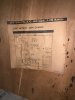
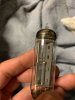
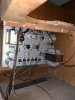
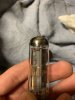
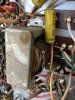
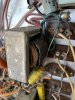
ok - tubes are pretty easy. There's a heater, a cathode, some grids, and plates. The heater just warms it up to make it work. The cathode emits electrons, they fly through the grids (if there are any - the rectifier you're holding in the pic doesn't have any), and hit the plate, where they go on their merry way into another part of the circuit.
They're like big warm FETs.
Tubes run at higher voltages and lower currents. We're talking 50-450 volts, and 1 - 100 ma. In general

Deoxit is ok for scratchy pots.
Now, the big thing is, with these old units, the capacitors like to go bad, especially the paper wax ones. In short, they short out, leaking electricity from one side to another, which can destroy all sorts of hard to replace (expensive) components. But, you can get the capacitors replaced, and the new ones will perform better in every way (you get better sound than when it was built. Some folks argue about this, but if modern caps were available back then, designers would have used them).
One you have the unit 're-capped', then it's a matter of replacing any bad tubes. Nice thing about tubes is when they're bad, you can sometimes tell - they don't get as hot, they might have a white powdery look on the inside, or just not light up.
Your dead channel might be because of a bad tube, capacitors, or something else. Don't run it until it's checked out - you could damage it.
Clairtones tended to be at least average, and typically better than that, so getting this guy working is probably worth it. Not stupidly powerful (about 5-6 watts per channel!) but it should perform decently enough.