Ziinda
Active Member
Since there doesn't seem to be a place to post anything on this topic I figured it mostly pertains to multiple amplified speakers and who knows more about this than people who have actually done it and found out very quickly that anyone who is buying manufactured speakers is truly getting burned! Even with mediocre drivers and reusing old cabinets I can make speakers that will simply amaze most people and ruin it for yourself once you've achieved that level of quality sound, making it hard to listen to anything but multiple amplifiers that you are barely tapping their power because it's loud enough.
Everything analog but the source is what I'm doing, I already know about records and hated them 50 years ago then hated them 40 years ago and gave mine away. The clutter of records was obnoxious and keeping them in good condition was an impossible task for me. All the needle cartridge, tone arm combinations just to drive you crazy and hear crunching sounds as it spun then hits a warp and watch your speakers move to max excursion. .......... Blah, blah.. enough of that.
So here I am now fully understanding how speakers work and trying to understand why the audio world never seems to learn from their mistakes and constantly scrapes the edges of perfection only to abandon it fir the next or lastest craze or crazy idea that never seems to last long enough to even consider plopping down the cash to own it let alone how quickly it disappears and is just more worthless junk. I never bought into DVD, SACD, owned a bunch of players and sold them but never bought a disc. I did like MP3s and once lossless was available I really liked that idea. USB drives were not it for me but SD cards struck me as the answer to audio and still can't see how it's not the obvious go to medium.
But all of this is just to give you my insight and how I have been thinking, figure in 45 years if car audio, never had kids, divorced, lived life without restraints and sometimes a bit out of control. Now I'm old and car audio is still there but I hardly ever drive very far, so my blaring system is more fir show. Stacks of amps working and not, a few rooms full of speaker drivers, boxes of useless crossovers, ports and other parts. Every once in a while there's some parts I'll use but not often enough to justify keeping it much longer.
After dealing with refinishing and making some existing speakers better than they were new by doing a good job of sealing and bracing only to find little to no difference except they looked much better but cost me a fortune in supplies and hundreds of hours but still sounded awful as far as I was concerned. I couldn't go d myself agreeing with anyone on most speakers. Tried a few times after reading through this site and figured I could trust the majority and bought a few different sets as I saw them pop up fir sale locally and every time I was underwhelmed and was wondering how people came to these conclusions? Where my ears defective or are so many others simply not knowing what sound reproduction is? I always thought it was supposed to sound as natural as possible but what I heard my entire live was blasting loud garbage.
My sister was seriously into audio stuff when I was a kid she always had the best she could afford and played AC/DC and Rush when they were unheard of. I was listening to Kiss on a llyods stereo. So I knew there was something that was better. What I remember (since she is 4 years older and I had no clue) was a Harman Kardon receiver with ohm speakers. Very simple looking system but it had volume. Many years later I stop by here place and she has a stack of electronics and giant Klipsch corner horns. She said they cost $10k and looked like concert speakers. Everything was over the top. It sounded ok but really I couldn't get passed the fact that she had $10k in 2 speakers?!? And they honestly weren't what I thought a pair of $10k speakers should sound like at all. I always imagined something more along the sound of an electrostat, a very smooth and lifelike sound that filled the room with whispers and sonic fullness with subtitles and nuance of things you never heard from those songs before. Not 150db of screeching sqwaukers piercing my ears and lacking in bass.
Fast forward another 40 years and i decided to ditch the surround sound receiver that I never used since I don't watch rediculously childish movies that are so popular now and such a waste of time I couldn't stay awake even with the crashing and booming constantly happening, just a headache. I rounded up tons of 2 channel stuff and speakers upon speakers in a quest to find something that was decent. I did find some that had potential using electrostatic panels but had terribly mismatched low drivers.
Now working without a crossover frees up how I design my lower end. I started with 2 way then went with 3 way. All analog pre, EQ and active crossovers. I tried 4 different crossovers and found them all very easy to set up and quick to get good sound.
But the buzz lately has been thess DSP things, now I already knew about them from 20 years ago in car audio and found them to be quite useless and impossible to work with in a car. Millions of button pushes to get to the setting then each click was too much or not enough and very hard to see even while stopped and not possible to change while driving. I figured 20 years later (and made for home audio) they should have things sorted out with better UI and more steps for fine adjustments, etc....
Well, I was wrong on all accounts, if anything the UI is worse now I guess they figure more people are used to this kind of awful way to use stuff now they have no need to improve it? So I started on my quest to find the digital replacement for my dual 31 band EQ, my dual 15 band EQ with an RTA that has pink noise and tones built in along with a microphone input so you can make accurate adjustments. The idea being send the signal out and make adjustments on the 31 band then remove the 15 band (or keep it in if you run Bose 901s you'll need the extra 15db cut and gain on top of the 31 bands 15dbs to get them flattened out). The entire process takes less than 30 minutes to run the RTA and have a decent sounding tri-amped system.
Enter the digital fixer, after trying the miniDSP (destroyer of sonic perfection), there was no way of getting it set up to sound close to anything I had before it. 3 days of dicking around, I finally set everything flat and bypassed everything and it still was changing the sound dramatically for the worse. I sent it back and moved to the next, it's Brazilian made expert 2.0 DSP made for both car and home has a phone interface as well as a screen on board so no need to involve a computer, which I thought was a terrible idea with the mini, nothing can be adjusted without it, pain in the ass.
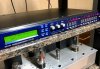
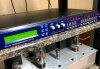
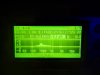
The Expert was connected and looked promising but output number 2 or 3 made a loud buzzing noise. I tried new cables, switched amps to be certain it wasn't anything other than the Digital Scratch Provider. It was coming from the expert, 20 minutes later I had it packed up. Then I spotted 2 other speaker management systems which is the same thing only made with a much higher quality design with more features but most are useless and unneeded. One made by behringer the other DBX, both priced around $500 but I also found another piece by Behringer that's similar but is more an EQ and autotuner system with RTA and mic input. I picked one up at a reduced price and gave it a go. I was very interested in the autotuner, I found it needed to have volumes set to concert levels to get the auto tune to even start the process. In the time it was testing I had 1 of my electrostats electtonics burn up. A coil burned the core and wrapper off while pushing 400W through it to achieve the needed sound level. I made a new coil then studied the circuit and realized I could bypass it and improved sound dramatically allowing me to run the stat panels down below 500 if I wanted too. They will reproduce sound even lower but I think that they sound best around 650 mine are at 647 now. I sent the DEQ2496 back and waited for a DCX2496 which is the crossover version 3 in 6 out configured any way you want with fully adjustable delays and single degree alignment (0-180) with other drivers plus an auto mode that sets phase and delays using a measurimg mic which has been sold out for months.
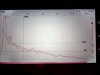
The reason I'm here writing this is after a few days working with it, doing all the suggested ways that are needed to properly set up this piece, using a db meter, tone generator, special microphone, 3 devices with a slew of apps installed on each one to perform all the tasks. I'm finally done, pop in the SD card and it sounds like ****, I mean just f'in awful. I turn off all settings go and turn all gains back to max on my amps, turn on my BBE maximizer all set at zero and it sounds like heaven.
So I'm really wondering how so many have such great things to say about digital equipment but I find it to be the least user friendly, near impossible to get close to analog quality sound and the time and money invested seems to be a complete waste. It's kinda like the speaker recommendations that are posted.
One thing I did notice was my old NAD pre amp was robbing quite a bit of sparkle from the overall sound. Not sure if it's made like that or it's showing its age but I'm in the market for a new pre. I picked up a cheap one so I had one to work with. I discovered this after I tested a proaudio pre made by pyramid that was part of a package deal along with a rack, audio control EQ and a digital amp. The pyramid actually sounded good but I'm not using it it's part of another sale that is geared for a dj set up.
So what are your thoughts on Digital Equipment? I can't see paying any more than $500 for an EQ/crossover when I can get an analog crossover with delays and EQ with RTA set up for half the cost and never struggle to get good results.
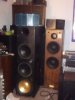
Here's the simple setup I'm running with stellar results, my amps are hidden but they are old fanless QSCs. Those are 2 different sets of DIY electrostats, the wood grain have a 12" sub on the side facing to the opposite speaker.
I'm going to be looking for ideas on making new cabinets for both of them. I have a table saw that's all set up and cuts perfectly straight and square, modified to cut longer lengths so pretty much anything is possible. I'll make a new post with a few sketches of ideas I have and I'm sure there's a bunch of ideas that I've never considered since making my own cabinets that are more than just a perfectly square cube or rectangle will be my next step. I know that making a simple cube is beyond many peoples skills but won't know exactly how difficult it can be until they actually try it on their own saw.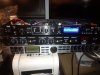
Everything analog but the source is what I'm doing, I already know about records and hated them 50 years ago then hated them 40 years ago and gave mine away. The clutter of records was obnoxious and keeping them in good condition was an impossible task for me. All the needle cartridge, tone arm combinations just to drive you crazy and hear crunching sounds as it spun then hits a warp and watch your speakers move to max excursion. .......... Blah, blah.. enough of that.
So here I am now fully understanding how speakers work and trying to understand why the audio world never seems to learn from their mistakes and constantly scrapes the edges of perfection only to abandon it fir the next or lastest craze or crazy idea that never seems to last long enough to even consider plopping down the cash to own it let alone how quickly it disappears and is just more worthless junk. I never bought into DVD, SACD, owned a bunch of players and sold them but never bought a disc. I did like MP3s and once lossless was available I really liked that idea. USB drives were not it for me but SD cards struck me as the answer to audio and still can't see how it's not the obvious go to medium.
But all of this is just to give you my insight and how I have been thinking, figure in 45 years if car audio, never had kids, divorced, lived life without restraints and sometimes a bit out of control. Now I'm old and car audio is still there but I hardly ever drive very far, so my blaring system is more fir show. Stacks of amps working and not, a few rooms full of speaker drivers, boxes of useless crossovers, ports and other parts. Every once in a while there's some parts I'll use but not often enough to justify keeping it much longer.
After dealing with refinishing and making some existing speakers better than they were new by doing a good job of sealing and bracing only to find little to no difference except they looked much better but cost me a fortune in supplies and hundreds of hours but still sounded awful as far as I was concerned. I couldn't go d myself agreeing with anyone on most speakers. Tried a few times after reading through this site and figured I could trust the majority and bought a few different sets as I saw them pop up fir sale locally and every time I was underwhelmed and was wondering how people came to these conclusions? Where my ears defective or are so many others simply not knowing what sound reproduction is? I always thought it was supposed to sound as natural as possible but what I heard my entire live was blasting loud garbage.
My sister was seriously into audio stuff when I was a kid she always had the best she could afford and played AC/DC and Rush when they were unheard of. I was listening to Kiss on a llyods stereo. So I knew there was something that was better. What I remember (since she is 4 years older and I had no clue) was a Harman Kardon receiver with ohm speakers. Very simple looking system but it had volume. Many years later I stop by here place and she has a stack of electronics and giant Klipsch corner horns. She said they cost $10k and looked like concert speakers. Everything was over the top. It sounded ok but really I couldn't get passed the fact that she had $10k in 2 speakers?!? And they honestly weren't what I thought a pair of $10k speakers should sound like at all. I always imagined something more along the sound of an electrostat, a very smooth and lifelike sound that filled the room with whispers and sonic fullness with subtitles and nuance of things you never heard from those songs before. Not 150db of screeching sqwaukers piercing my ears and lacking in bass.
Fast forward another 40 years and i decided to ditch the surround sound receiver that I never used since I don't watch rediculously childish movies that are so popular now and such a waste of time I couldn't stay awake even with the crashing and booming constantly happening, just a headache. I rounded up tons of 2 channel stuff and speakers upon speakers in a quest to find something that was decent. I did find some that had potential using electrostatic panels but had terribly mismatched low drivers.
Now working without a crossover frees up how I design my lower end. I started with 2 way then went with 3 way. All analog pre, EQ and active crossovers. I tried 4 different crossovers and found them all very easy to set up and quick to get good sound.
But the buzz lately has been thess DSP things, now I already knew about them from 20 years ago in car audio and found them to be quite useless and impossible to work with in a car. Millions of button pushes to get to the setting then each click was too much or not enough and very hard to see even while stopped and not possible to change while driving. I figured 20 years later (and made for home audio) they should have things sorted out with better UI and more steps for fine adjustments, etc....
Well, I was wrong on all accounts, if anything the UI is worse now I guess they figure more people are used to this kind of awful way to use stuff now they have no need to improve it? So I started on my quest to find the digital replacement for my dual 31 band EQ, my dual 15 band EQ with an RTA that has pink noise and tones built in along with a microphone input so you can make accurate adjustments. The idea being send the signal out and make adjustments on the 31 band then remove the 15 band (or keep it in if you run Bose 901s you'll need the extra 15db cut and gain on top of the 31 bands 15dbs to get them flattened out). The entire process takes less than 30 minutes to run the RTA and have a decent sounding tri-amped system.
Enter the digital fixer, after trying the miniDSP (destroyer of sonic perfection), there was no way of getting it set up to sound close to anything I had before it. 3 days of dicking around, I finally set everything flat and bypassed everything and it still was changing the sound dramatically for the worse. I sent it back and moved to the next, it's Brazilian made expert 2.0 DSP made for both car and home has a phone interface as well as a screen on board so no need to involve a computer, which I thought was a terrible idea with the mini, nothing can be adjusted without it, pain in the ass.
The Expert was connected and looked promising but output number 2 or 3 made a loud buzzing noise. I tried new cables, switched amps to be certain it wasn't anything other than the Digital Scratch Provider. It was coming from the expert, 20 minutes later I had it packed up. Then I spotted 2 other speaker management systems which is the same thing only made with a much higher quality design with more features but most are useless and unneeded. One made by behringer the other DBX, both priced around $500 but I also found another piece by Behringer that's similar but is more an EQ and autotuner system with RTA and mic input. I picked one up at a reduced price and gave it a go. I was very interested in the autotuner, I found it needed to have volumes set to concert levels to get the auto tune to even start the process. In the time it was testing I had 1 of my electrostats electtonics burn up. A coil burned the core and wrapper off while pushing 400W through it to achieve the needed sound level. I made a new coil then studied the circuit and realized I could bypass it and improved sound dramatically allowing me to run the stat panels down below 500 if I wanted too. They will reproduce sound even lower but I think that they sound best around 650 mine are at 647 now. I sent the DEQ2496 back and waited for a DCX2496 which is the crossover version 3 in 6 out configured any way you want with fully adjustable delays and single degree alignment (0-180) with other drivers plus an auto mode that sets phase and delays using a measurimg mic which has been sold out for months.
The reason I'm here writing this is after a few days working with it, doing all the suggested ways that are needed to properly set up this piece, using a db meter, tone generator, special microphone, 3 devices with a slew of apps installed on each one to perform all the tasks. I'm finally done, pop in the SD card and it sounds like ****, I mean just f'in awful. I turn off all settings go and turn all gains back to max on my amps, turn on my BBE maximizer all set at zero and it sounds like heaven.
So I'm really wondering how so many have such great things to say about digital equipment but I find it to be the least user friendly, near impossible to get close to analog quality sound and the time and money invested seems to be a complete waste. It's kinda like the speaker recommendations that are posted.
One thing I did notice was my old NAD pre amp was robbing quite a bit of sparkle from the overall sound. Not sure if it's made like that or it's showing its age but I'm in the market for a new pre. I picked up a cheap one so I had one to work with. I discovered this after I tested a proaudio pre made by pyramid that was part of a package deal along with a rack, audio control EQ and a digital amp. The pyramid actually sounded good but I'm not using it it's part of another sale that is geared for a dj set up.
So what are your thoughts on Digital Equipment? I can't see paying any more than $500 for an EQ/crossover when I can get an analog crossover with delays and EQ with RTA set up for half the cost and never struggle to get good results.
Here's the simple setup I'm running with stellar results, my amps are hidden but they are old fanless QSCs. Those are 2 different sets of DIY electrostats, the wood grain have a 12" sub on the side facing to the opposite speaker.
I'm going to be looking for ideas on making new cabinets for both of them. I have a table saw that's all set up and cuts perfectly straight and square, modified to cut longer lengths so pretty much anything is possible. I'll make a new post with a few sketches of ideas I have and I'm sure there's a bunch of ideas that I've never considered since making my own cabinets that are more than just a perfectly square cube or rectangle will be my next step. I know that making a simple cube is beyond many peoples skills but won't know exactly how difficult it can be until they actually try it on their own saw.