• The move to the new server is done. There are some software and database maintenance updates in process. This has us passing the hat around to help out. We appreciate any donations. Seriously, even a dollar helps. The payment page may be found here - https://www.audiokarma.org/support.html

Do you use loudness?

Do you use loudness modifier?

  • Definetly yes!

  • Hell no!

  • It depends...


Results are only viewable after voting.
I used mine once, but I made sure no one was home and I closed all the curtains so no one could see me do it. I felt guilty for a few days. With all the new technology and cameras everywhere I wouldn’t dare try to do it again.
I know! Being aware of personal frailties and admitting them can be emancipating!

Luckily, my stuff has no LOUDNESS buttons to tempt me over to the Dark Side.
 
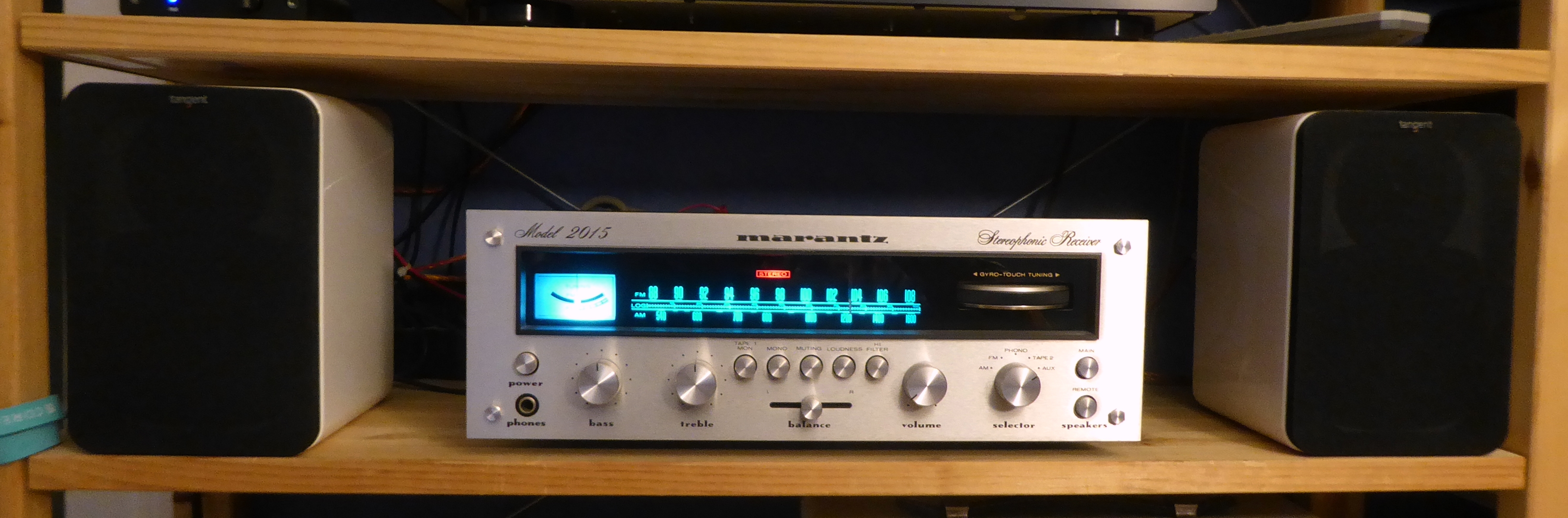
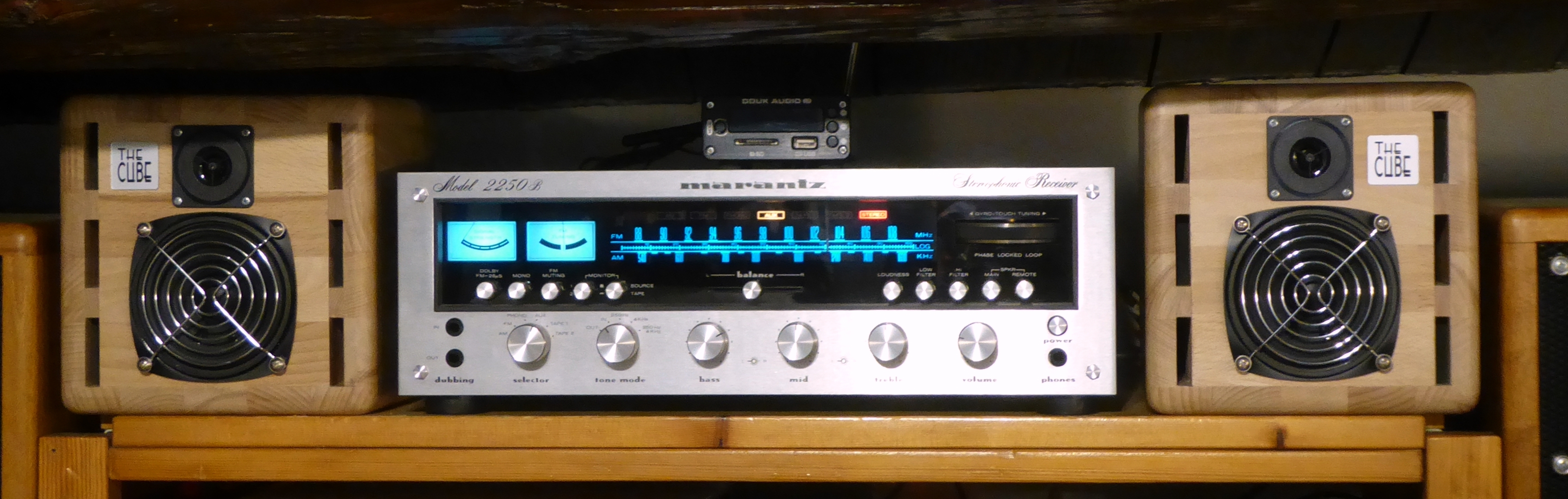
I use the Loudness/Contour knob in these cases : low volume, small speakers... That's why this feature has been designed for, finally ! :)

W88yVb-P1240148.jpg


W88yVb-P1240145.jpg


m88yVb-P1240166-Copie.jpg


But sometimes (on picture 2), I just raise the Bass Tone-Control level (2 or 3 points), instead of using the Loudness... That's why I voted "It depends..." :biggrin:;)

T
 
12 o'clock on the volume dial with my GFA-555 and 15 inch Vegas will kick you in the chest lol.

But.. I spend most of my time under 9 o'clock.. but to be fair I enjoy my bass.. and 9 o'clock is enough to feel it everywhere.. and 10 o'clock things start getting hectic. 12 o'clock and you can hear it in the back yard from the basement lol.. intense. I have no tone controls so 1 o'clock is probably close to the limit of the speakers with bass heavy material.. not rap.
GFA power amplifiers don't have volume dials.
(and whatever preamp you have that *does* have a volume dial can have whatever sensitivity the manufacturer went with. Ideally, your volume knob is near 50% at your loudest listening SPL. Distortion starts rising when going above 50% and noise starts rising when going below 50% in most preamp circuits)
 
GFA power amplifiers don't have volume dials.
(and whatever preamp you have that *does* have a volume dial can have whatever sensitivity the manufacturer went with. Ideally, your volume knob is near 50% at your loudest listening SPL. Distortion starts rising when going above 50% and noise starts rising when going below 50% in most preamp circuits)
Awesome comprehension skills. I said with my, not on my 555. I do have a signature, like yours, where it shows the hardware that I am using.

I have a GFP-345.

Stack.jpeg
 
I use the Loudness/Contour knob in these cases : low volume, small speakers... That's why this feature has been designed for, finally ! :)

W88yVb-P1240148.jpg


W88yVb-P1240145.jpg


m88yVb-P1240166-Copie.jpg


But sometimes (on picture 2), I just raise the Bass Tone-Control level (2 or 3 points), instead of using the Loudness... That's why I voted "It depends..." :biggrin:;)

T
Ah, those Marantzes. Still gorgeous after all these years.

Doug
 
Not all of the time but most of the time.

The Dynaco A25 XL's I'm using right now don't seem to have much bass to them so the loudness or contour function helps to richen the sound. The high and low filter switches on the HK 630's do the same thing. Makes listening to good music more satisfying to my 73 year old ears.
 
Not trying to brag but my system does not have loudness and doesn't need it. I do make minor adjustments to the treble control depending on the volume level. Normally reduce it slightly with higher volumes. Very rarely touch the bass control. Only when source material has too much bass.
 
A properly designed loudness control is only active at low volumes and automatically phases out as volume is increased.

Loudness controls exist(ed) (since it's mostly past tense :() because they are necessary to compensate for the deficiencies of the human ear, which universally has reduced perception of extreme low and high frequencies at low volume levels.

The human ear has not changed, and therefore the need for a loudness circuit has not changed.

There are workarounds that can be helpful -- changing tone controls, adding a subwoofer, listening at higher volumes -- all of those help, but the world is a worse place for audio companies largely having abandoned loudness controls (some Yamaha's and select others excepted).

The need for loudness will go away when human hearing changes -- which is likely not soon. There's no other way to look at it. We all want to be purists and not touch the signal -- but, related to the loudness circuit, that purist thought process is in direct opposition to how all of our ears work.

 
Last edited:
A properly designed loudness control is only active at low volumes and automatically phases out as volume is increased.

Loudness controls exist(ed) (since it's mostly past tense :() because they are necessary to compensate for the deficiencies of the human ear, which universally has reduced perception of extreme low and high frequencies at low volume levels.

The human ear has not changed, and therefore the need for a loudness circuit has not changed.

There are workarounds that can be helpful -- changing tone controls, adding a subwoofer, listening at higher volumes -- all of those help, but the world is a worse place for audio companies largely having abandoned loudness controls (some Yamaha's and select others excepted).

The need for loudness will go away when human hearing changes -- which is likely not soon. There's no other way to look at it. We all want to be purists and not touch the signal -- but, related to the loudness circuit, that purist thought process is in direct opposition to how all of our ears work.

That's what we've always been told. But as my system became better I began to question that dogma. I'm of the belief that it's not so much about unusual deficiencies of the human ear but about tonal balance being more critical at higher volumes. Small imbalances that are not a problem at low volumes begin hitting your ears hard at high volumes only because they are so much easier to identify. It's the high volume that makes the imbalances stand out so much. At low volumes, those imbalances (colorings) sound kinda nice.
 
I have it on my vintage Marantz receiver, and I realize that there can be some improvement with it for low level listening... yet I never bother with it.
 
Back
Top Bottom