


Mr English
Recycled toy cars
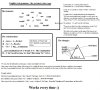
After almost twenty years of teaching English as a second language, I'm still amazed at how English verb tenses are taught. I've figured out my own system, which I've attached as a JPG picture. If you're not studying English yourself, you might know someone who is, so please feel free to pass it on.
I call it a map. The standard procedure is to start with the present simple tense for a while before moving on to the past simple, and so on. The problem is that a student never sees the big picture, never knows how far away the end is......the procedure is like a drip feed, one drop at a time, as separate elements.
The English verb tenses are contained in a very simple system of regular combination. My map won't help anyone to understand why and when to actually use the various tenses (that's for the classroom) but it cheers up my students when they see it. It doesn't look like a lot, and it isn't, but I promise them that's all there is to it and they all seem relieved to see it as it is.
"Might", "may", "ought to" and "must" are not included in the map at the moment. I should put them in really, but the idea is to get the student to see how the tenses are put together, just like Lego blocks are.
This link takes you to a downloadable higher-resolution BMP image, better for printing:
https://www.box.com/s/oz3pukl2rhdbh1p4htg4
.
I call it a map. The standard procedure is to start with the present simple tense for a while before moving on to the past simple, and so on. The problem is that a student never sees the big picture, never knows how far away the end is......the procedure is like a drip feed, one drop at a time, as separate elements.
The English verb tenses are contained in a very simple system of regular combination. My map won't help anyone to understand why and when to actually use the various tenses (that's for the classroom) but it cheers up my students when they see it. It doesn't look like a lot, and it isn't, but I promise them that's all there is to it and they all seem relieved to see it as it is.
"Might", "may", "ought to" and "must" are not included in the map at the moment. I should put them in really, but the idea is to get the student to see how the tenses are put together, just like Lego blocks are.
This link takes you to a downloadable higher-resolution BMP image, better for printing:
https://www.box.com/s/oz3pukl2rhdbh1p4htg4
.
Attachments
Last edited:


