• The move to the new server is done. There are some software and database maintenance updates in process. This has us passing the hat around to help out. We appreciate any donations. Seriously, even a dollar helps. The payment page may be found here - https://www.audiokarma.org/support.html

Homemade Wood NAB Hub Prototype idea (Seeking input)

Sethbramwell

Active Member
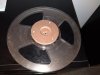
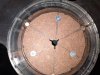
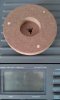
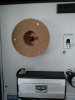
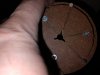
In the "let's see if I can do this weird idea in my head" category, here is a prototype wood NAB hub adapter I dreamed up a few days ago. I don't have a 10.5 inch capable deck yet but I have a few reels and wanted to try the design idea out. It weighs 3.2 ounces (90.7 grams), which seems comparable to commercial ones as far as I can tell. The hub locks right in place on my Akai gx 220d with a spring loaded post and on my old TEAC with reel retainers.

I have no experience with loading and playing 10.5 inch reels, but theoretically I don't see potential issues with this design. If anyone sees a possible problem/design flaw, I'd definitely appreciate constructive criticism. Please excuse the sawdust on the empty reel, I was too eager to take pictures. Thanks everyone!
20210331_175621.jpg 20210331_175847.jpg 20210331_175941.jpg 20210331_180008.jpg
 

Attachments

  • 20210331_183223.jpg
    20210331_183223.jpg
    69.5 KB · Views: 2
Register to hide this ad
My concern would be that the torque on the small spindle holes, plus continued installation and removal, could cause them to wear relatively quickly. Wonder if anyone has 3D printed them?
 
My concern would be that the torque on the small spindle holes, plus continued installation and removal, could cause them to wear relatively quickly. Wonder if anyone has 3D printed them?
I was wondering about that myself. I have seen examples of ones people have 3d printed but they seem to have mixed results. Unfortunately I don't have access to a 3d printer. When I do lay my hands on a 10.5 deck, I'll give them the acid test. Thanks for your input!
 
What @swechsler mentioned is the 1st thing that came to my mind. I'd paint the spindle holes with wood glue or some liquid epoxy to make the wood stronger.

You could also machine some plastic or "Delrin" sheet. Probably as easy to machine as the wood but stronger.
 
Last edited:
What @swechsler mentioned is the 1st thing that came to my mind. I'd paint the spindle holes with wood glue or some liquid epoxy to make the wood stronger.

You could also machine some plastic or "Delrin" sheet. Probably as easy to machine as the wood but stronger.
I like the idea of the wood glue in the hole. I'll give it a try and look into plastic as well. I've not worked too much with cutting plastic by hand but it is definitely worth checking out.

Thanks!
 
I'd try soaking in thin formula cyanoacrylate since it penetrates nicely. There's also some very thin epoxy that would do that.
 
Last edited:
delrin isn't bad to work with, cuts a bit like aluminum or really hard wood. A delrin hub with metal pins seems like it would work well. Some plastics get really gummy and are generally miserable things. I've lathe turned delrin before, cuts very nicely.
 
I'd try soaking in thin formula cyanoacrylate since it penetrates nicely. There's also some very thin epoxy that would do that.

delrin isn't bad to work with, cuts a bit like aluminum or really hard wood. A delrin hub with metal pins seems like it would work well. Some plastics get really gummy and are generally miserable things. I've lathe turned delrin before, cuts very nicely.

Thanks, I'll look into the cyanoacrylate. Unfortunately I don't have a lathe. These were done by hand with hole saw, files, drill, and a rotary tool.
 
Unfortunately I don't have a lathe. These were done by hand with hole saw, files, drill, and a rotary tool.
It looks great for eyeballing it. Before I had a lathe, I would sometimes true up things by chucking in a drill and using a file. Some kind of tool rest/lever point helps it not follow whatever eccentricities are there.
 
It looks great for eyeballing it. Before I had a lathe, I would sometimes true up things by chucking in a drill and using a file. Some kind of tool rest/lever point helps it not follow whatever eccentricities are there.
Thanks! I hadn't thought about chucking it but in retrospect that would have been a big help. Live and learn!
 
its a useful machine. Problem is all the old ones also need at least a teardown and inspection, and probably some repairs. Mine is well used and from 1957.

a drill makes a stand-in for a lathe in a pinch. Limited in a number of ways but better than nothing.
 
Back
Top Bottom