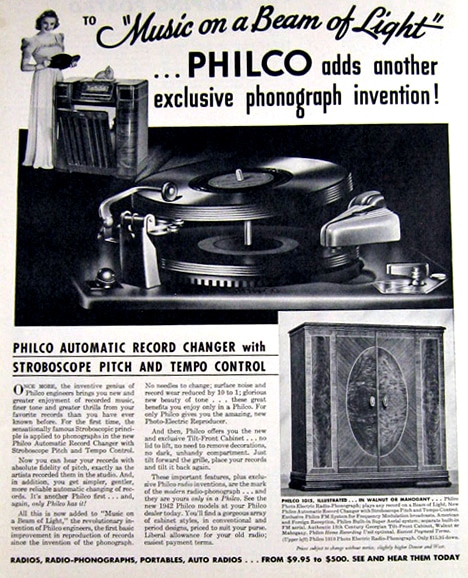
Bravo Ken. Maybe the best explanation I've seen.
Double bravo for designing an even better method. I especially like the digital time-code (time-space code) to guide the arm.
The idea reminds me — I did sound transfers on a movie, many years ago. On-set, Sound was recorded on 1/4" mag tape (Nagra recorder). It was then converted to an "optical track" on the edge of print shown at theaters; the projector "read" the optical track and sent it to the theater's amps/speakers.
Looks like pic below (next to the sprocket-holes).
I always wondered why this tech was never used for home audio...
View attachment 1561106









![]eep](/forums/data/avatars/m/144/144593.jpg?1443895258)