• The move to the new server is done. There are some software and database maintenance updates in process. This has us passing the hat around to help out. We appreciate any donations. Seriously, even a dollar helps. The payment page may be found here - https://www.audiokarma.org/support.html

Linear Phase

Is the correct answer.

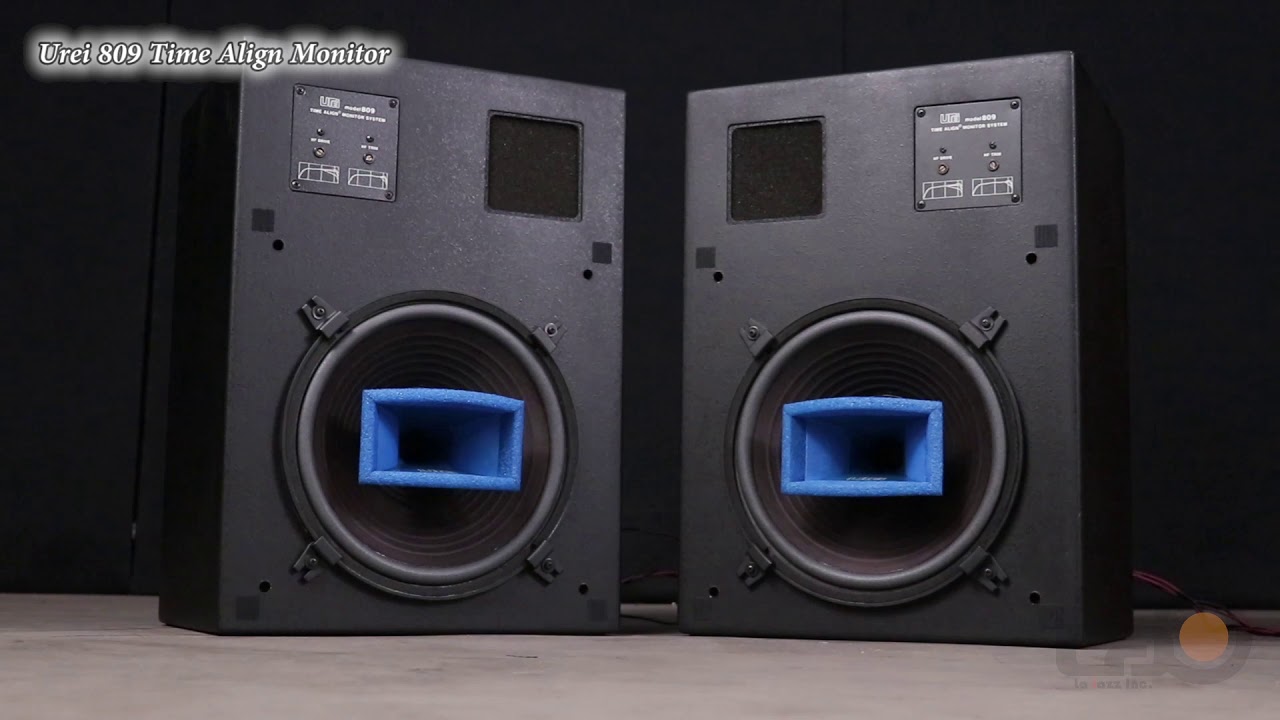
So you'd say that the Ureis posted previously would properly take care of this?

I could see the argument more for speakers that use several drivers / 3,4 way etc.. But, aren't the 2 Way or full range better then, in this regard?

If so, how come the uber expensive / super high end stuff often has *many* drivers - wouldn't this be a huge mess for phasing?

Example:
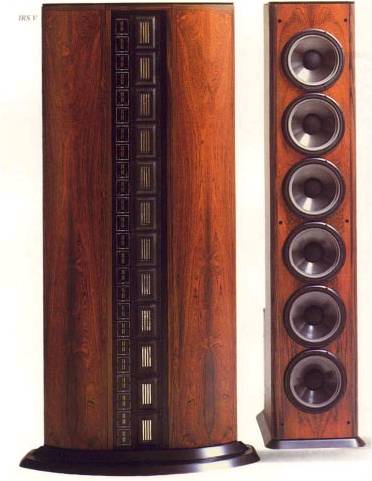

IRS4.jpg
 
Last edited:
So you'd say that the Ureis posted previously would properly take care of this?

I could see the argument more for speakers that use several drivers / 3,4 way etc.. But, aren't the 2 Way or full range better then, in this regard?

If so, how come the uber expensive / super high end stuff often has *many* drivers - wouldn't this be a huge mess for phasing?

Example:


IRS4.jpg
single and two way can be better in terms of phase but you have to consider it's relative importance. How sensitive are we to phase anomalies and even given a phase coherent speaker how do room reflections effect that phase coherence and muck it up?

My understanding of the research done on acoustic phase is that we are not sensitive to phase issues, especially in mid and high frequencies, and reflected sound makes a mess of phase in any case.

Personally I would rather have a three way speaker than a two-way or single driver since both will have higher intermodulation distortion than a three-way with a dedicated mid-range driver. And Intermodulation distortion sounds bad, there's no doubt about that.
 
I think this notion that I've heard repeated many times about low vs high frequency is a misconception of a true fact: lower frequencies travel longer than higher frequencies. But that's due to the medium absorbing more energy from the latter. Since the former keeps more energy with it as it travels through the medium, it "goes farther"

I appreciate the science behind the speed of the waves issue

So I guess it's safe to say that the staggered drivers may have been well-intentioned but are probably not doing all that much as opposed to being flush mounted? For example, Technics SB-10000

medium


I gotta say.. these Ureis left an impression on me.. And once again I see the whole time align thing... I wonder what a brochure or salesperson would have said

maxresdefault.jpg
I have two sets of speakers with staggered drivers, including Technics Linear Phase SB-6060’s from the same series as the SB-10000 and believe they sound better than flush mounted drivers. Roy Johnson the late owner/founder of Green Mountain Audio staggered his drivers on movable axis’s , which enable you to dial in time alignment.
 
Time alignment creates a special tickling of the ears for me...I have 2 pair of UREI monitors and a custom pair of 604s with time aligned XOs. Set up properly and when seated in the sweet spot they are a thing of beauty. I also have a pair of 4430s, when I listened to them before purchase I liked them very much. Came to find out months later, they to were time aligned through voice coil alignment ...

The speed of sound does vary by which state of matter it travels through...but in the stereo world we are all breathing air and referencing the speed of sound through air...
 
Last edited:
Staggering drivers creates problems with reflections from the lower surface. There are a variety of solutions to this - foam, a dome to reflect in all directions - but a sloped baffle may be an easier solution, but, of course, baffles create their own problems.
If you want to get all picky, your staggering of the drives ought to change with temperature and humidity, since they both affect the speed of sound. Or we can be content with good enough.
 
As seen in the many correct and almost correct as well as incorrect pieces of information provided in this thread, designing an accurate and truly good sounding speaker is not easy!!! Hat's off to those who have brought us some truly great sounding commercial speaker designs. Every successful speaker design is a series of well thought out compromises that seek to minimize the damaging effects of the myriad things that work against a loudspeaker producing "good sound".
 
Back
Top Bottom