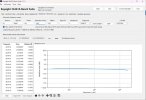
This is pretty much how I look at it.
I am a retired technician and worked with electronics for around 30 years, so one of the things I really appreciate with the C28 is the old-school craftsmanship.
I know it is not the “best” design by modern standards, and I also understand that the C29 was a fairly big technical update. But the C28 still belongs to that older McIntosh design tradition, and that is exactly what I like about it.
For me, part of the charm is that it is a kind of time capsule.
I am not trying to turn it into a modern preamp. I am trying to preserve and recreate what that system was supposed to sound like in the 1970s.
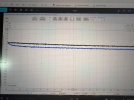
That is also why I measure it carefully. The phono stage is not the quietest one ever made, and yes, it could probably be improved with more grounding work, rerouting of the phono wiring, better separation and so on.
But McIntosh clearly did not think that was necessary at the time, and changing too much would also change the character of the unit.
A good example is my Thorens TD-124. It is a wonderful old design, and mine has been fully restored.
With a really quiet modern phono stage it is basically silent in use, but there is still a very small amount of rumble from the idler wheel system. You do not hear it while music is playing, maybe only a little between tracks depending on the volume.
Many modern turntables will measure better, no question. But when it comes to speed stability, punch and drive, not many of them give the same feeling.
I think the same applies to vintage preamps and amplifiers. They have their weaknesses, but also their strengths. Do those weaknesses automatically mean they sound worse? I do not think so.
I also own some reference amplifiers that beat my old McIntosh setup in almost every measurement. But do they always sound better? Sometimes yes, sometimes no. It depends on the music, the system and what you are listening for.
Sometimes a very modern and analytical system can be impressive, but maybe not always the most enjoyable.
So that is my view: I respect the measurements, and I use them to make sure the equipment is healthy.
But in the end, I also want to preserve the character and the musical experience of the old McIntosh system. That is the fun part for me.