MKF
Active Member
Post the graph…
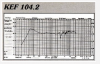
Is this the correct graph (if I did this correctly it should be attached)?


Post the graph…
You will need something along the lines of a Levinson 5302 stereo amplifier.

Amps should be the easiest component to get right, in my opinion. You just want to amplify the signal, not add anything to it.
A bit blurryIs this the correct graph (if I did this correctly it should be attached)?
There are other options. But you know what to look for. The more you want out of your speakers and the higher the spl you want to do it at, the more critical amp choice becomes. With these speakers, I would not take the easy way out with amp choice. That’s me though. You need to make your own choice.Unfortunately that option is out of my price range.

Is this the correct graph (if I did this correctly it should be attached)?

Is this the correct graph (if I did this correctly it should be attached)?

I'd look for a vintage 125wpc@8 ohms class AB MOSFET amp. Pro amps are good solid performers, often with as good, if not better, specs than similar home audio pieces. My example of this is a Soundcraftsmen A2502. Mine is more than 40 years old, and had been butchered internally by a previous owner. It was rebuilt by MTX, who had the service contract for Soundcraftsmen at the time, and later had a complete re-cap by a trusted local technician. It works the crap out of a pair of 6 ohm, 86dB@1W/1M speakers, at serious volume levels(big room/ small speakers), and without getting more than mildly warm. Any of the big home audio names from the 70s-90s should be more than up to the task, Pioneer, Kenwood, Technics, etc. Even one of the Sony ES series amps would do the job you're asking quite nicely.
Amps should be the easiest component to get right, in my opinion. You just want to amplify the signal, not add anything to it. And yet they all sound just a little bit different from one another. I think MOST of this has to do with the power supplies, however.
Is this the correct graph (if I did this correctly it should be attached)?
In my opinion, the “ohms rating” on the speakers means very little.
Look at an impedance graph instead. The graph is something you can actually get useful info from.