• The move to the new server is done. There are some software and database maintenance updates in process. This has us passing the hat around to help out. We appreciate any donations. Seriously, even a dollar helps. The payment page may be found here - https://www.audiokarma.org/support.html

Reanodize Face Plate?

I realize this has been discussed before, but the info is old and scattered on the forum.

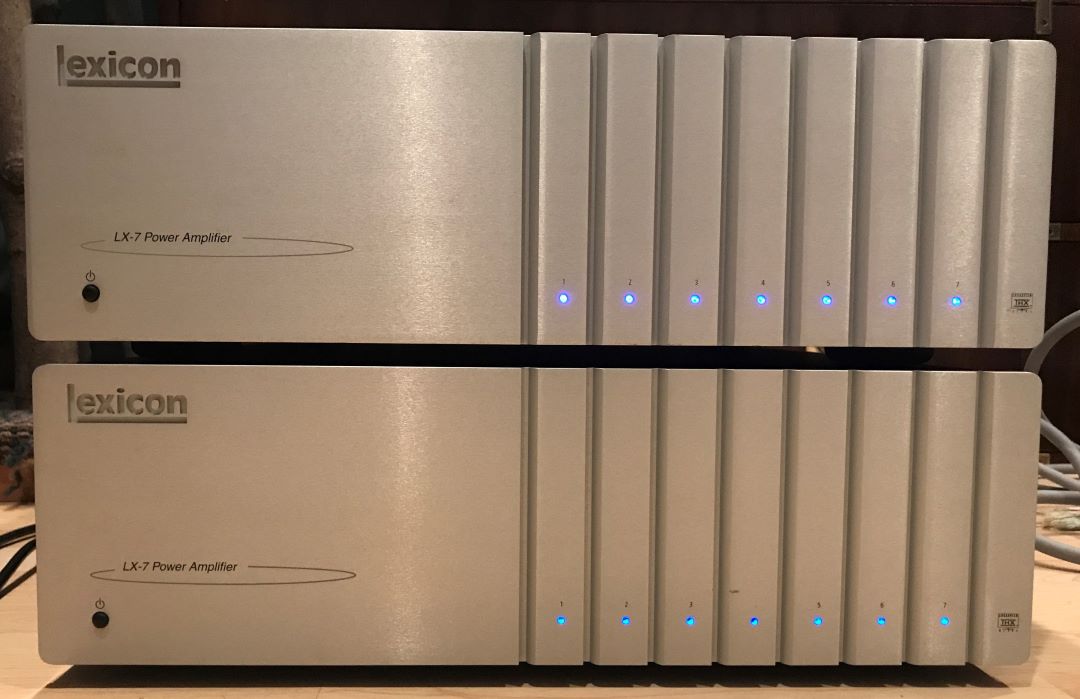
I just grabbed two broken Lexicon LX-7's and have them all cleaned up and repaired. They are actually quite good cosmetically, but they are silver and I would love to have them reanodized in black. I realize that if I want to keep the silk-screening that I need to have that copied first, then have the old anodized layer removed, then reanodized and dyed black, then have the silk-screen reapplied. If the silk screening is too expensive I may skip this part as there really isn't much on the amps anyway and "Lexicon" is engraved in the faceplate already so that will be retained no matter what.

I'm in Chicago. Does anyone know a good place that can do the whole shebang, or a good place for the silk-screening and a good place for the anodizing? Or is there a good company I can ship the faceplates to in order to have the whole process done?

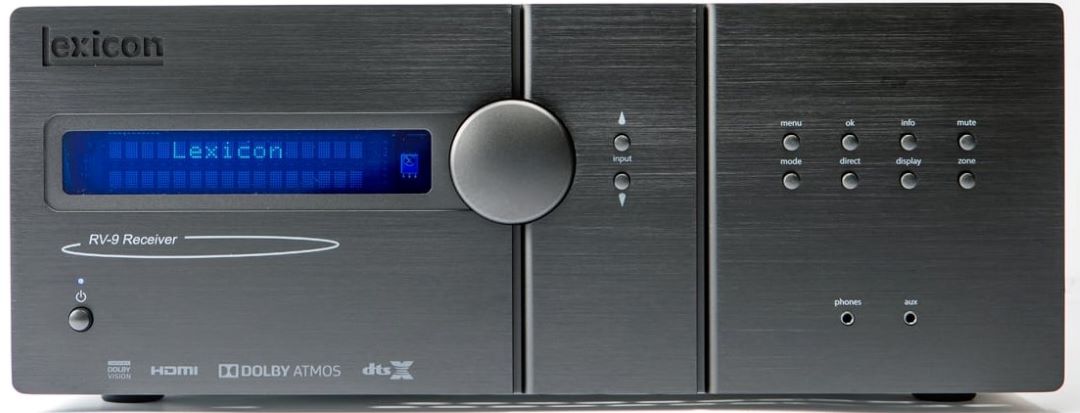
I know a lot of folks will feel I should keep the amps original, but I've always been into customizing things to my taste. Also in this rack, I have a Lexicon MC-10 that is black and all the rest of the equipment is black. I just think it will look great to have them match better. Photos below:

LX-7's all fixed up and ready to go:
both-fronts.jpg


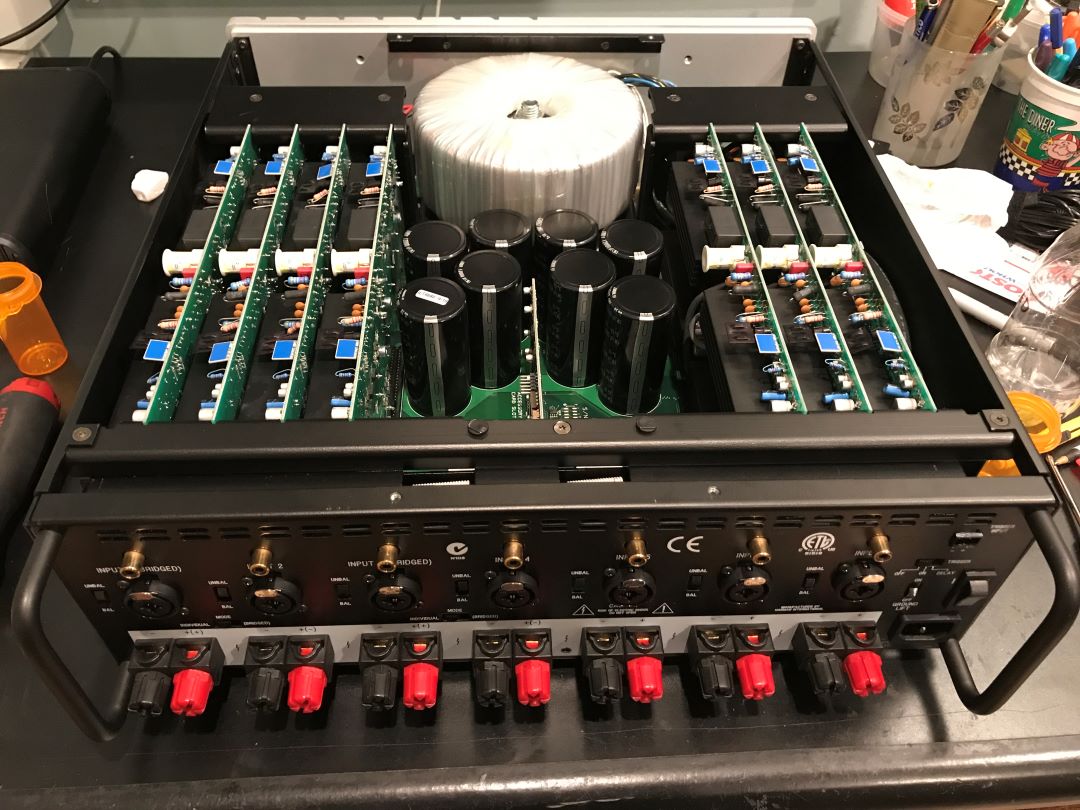
They were very clean inside when I got them and after I cleaned them up they look brand new!

Inside of one of the LX-7's:
2back.jpg


Here is what the Lexicon MC-10 that I have looks like:
MC-10-crop-sml.jpg


Any help finding a shop would be appreciated.

Thanks and kind regards,
craigr
 
Last edited:
Register to hide this ad
I have lots of experience in anodizing. I do not believe the unit can be farther anodized, and if it could be, it would turn a horrible gray color, and you would lose the graphics because they are more then likely printed on with paint.

My old Boss, Frank Van Alstine of Audio by Van Alstine used a very special 2 part anodizing process to produce an anodized faceplate with different colored anodized graphics and logo. This was great because the lettering could not be worn off. However, in this process, the anodizer would put a masking over the area that would not receive the first anodize, then mask the area that had already been anodized so the other portion could be anodized. In this method, nothing got anodized twice.
 
I have lots of experience in anodizing. I do not believe the unit can be farther anodized, and if it could be, it would turn a horrible gray color, and you would lose the graphics because they are more then likely printed on with paint.

My old Boss, Frank Van Alstine of Audio by Van Alstine used a very special 2 part anodizing process to produce an anodized faceplate with different colored anodized graphics and logo. This was great because the lettering could not be worn off. However, in this process, the anodizer would put a masking over the area that would not receive the first anodize, then mask the area that had already been anodized so the other portion could be anodized. In this method, nothing got anodized twice.
Thanks, but I'm not really asking if reanodizing can be done or not. I know, with certainty that it can, as long as the the old anodized layer is removed first (as I outlined above). It's done frequently. The "paint," is the actually silk screen, and that can be taken care of as well if desired (there are multiple different processes). I am just looking for good references for anodizing and silk screening shops (there are many in Chicago if I want to stay local).

That aside, I have never heard of your two part process and it seems really cool. I always thought it was impossible because the first "part" couldn't be masked well enough, and that the second "part" would bleed into the portions of the first. That's really cool! Do you have any pics of how the parts look? I'd love to see that, two colors... that gives me all kinds of ideas for other projects.

Best,
craigr
 
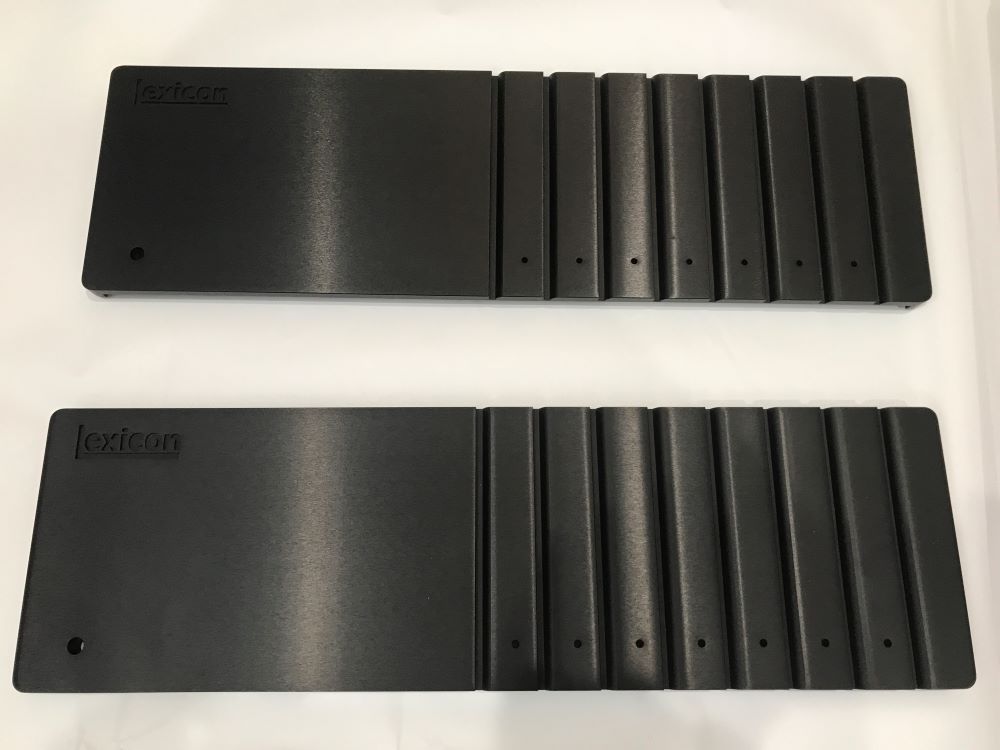
I just got the faceplates back today after having them reanodized in black. They were done at Mike's Anodizing Company here in Chicago (859 N Spaulding Ave, 773-722-5778). Mike says he likes doing little projects like these, and he personally spent a good amount of time with me. He gave me a tour of their facility and it is really something and it sure is bigger than I expected. He also said they would take a week, but I brought them in Monday morning around 10:00 and they were finished Wednesday afternoon.

I considered matching the texture of the LX-7's with the MC-10, but Mike said he'd have to send them out for that. It would have taken a week and cost $115 plus shipping. Mike thought I'd be really happy leaving them as-is and boy he was right. It would have been a waste. He also said their military black would be a near perfect match to the MC-10 and he was correct there too. Lexicon black is like pitch black, which is a bit atypical for AV gear, but Mike said this is what the military expects when they ask for black. He really knows his stuff and I highly recommend the company. They also stripped the old anodization before the reanodization. I removed the original silkscreen myself with Goof Off, a Q-tip, a microfiber, and some elbow grease.

I don't want to post pricing because it's not my intention to box them in, but I will say I found the price very reasonable. I really wanted to attempt this on my own, but I doubt my results would have been nearly this good and I am sure procuring everything to do it would have actually cost more (plus a lot of time).

plates.jpg


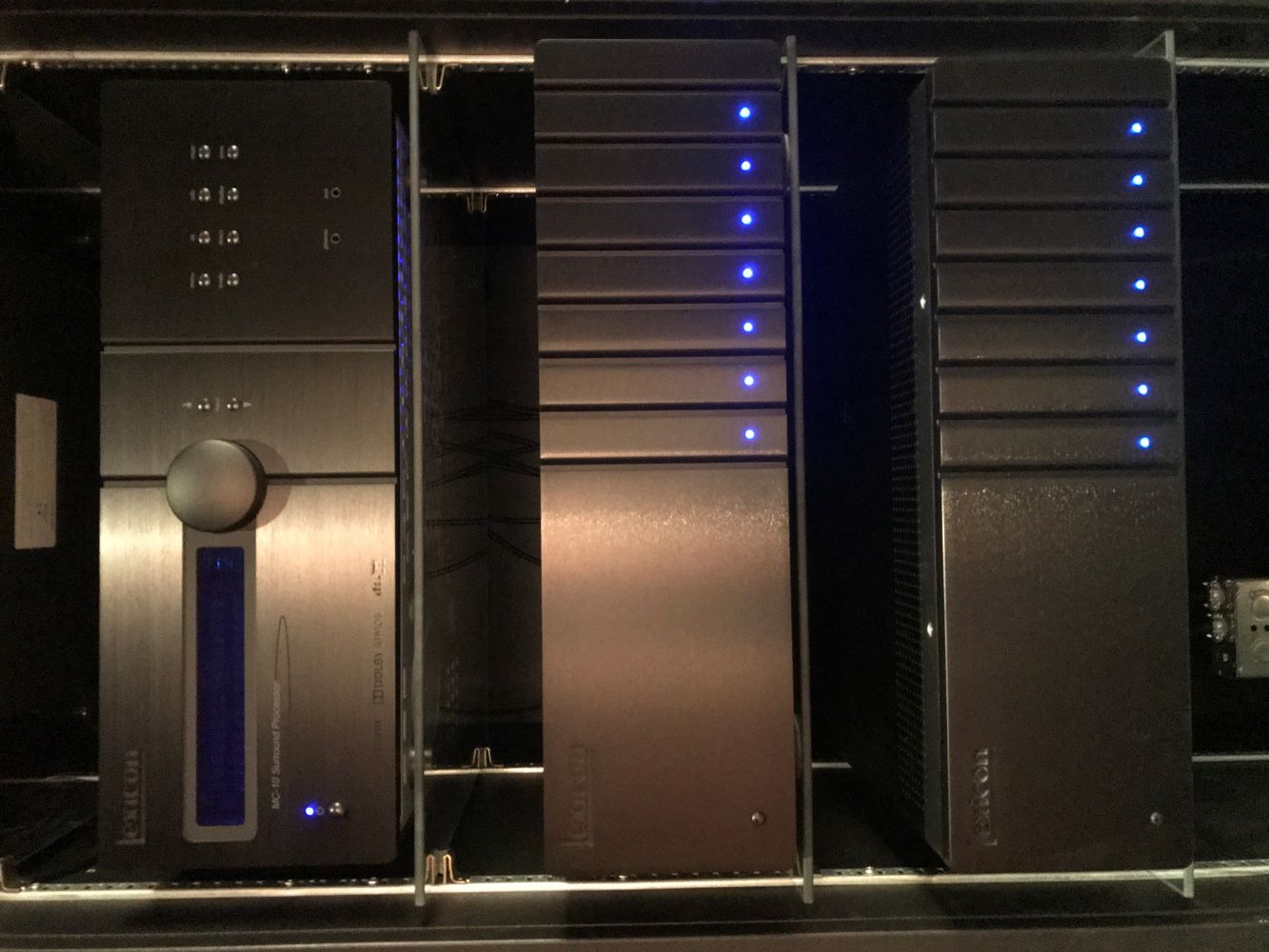
rack1.jpg


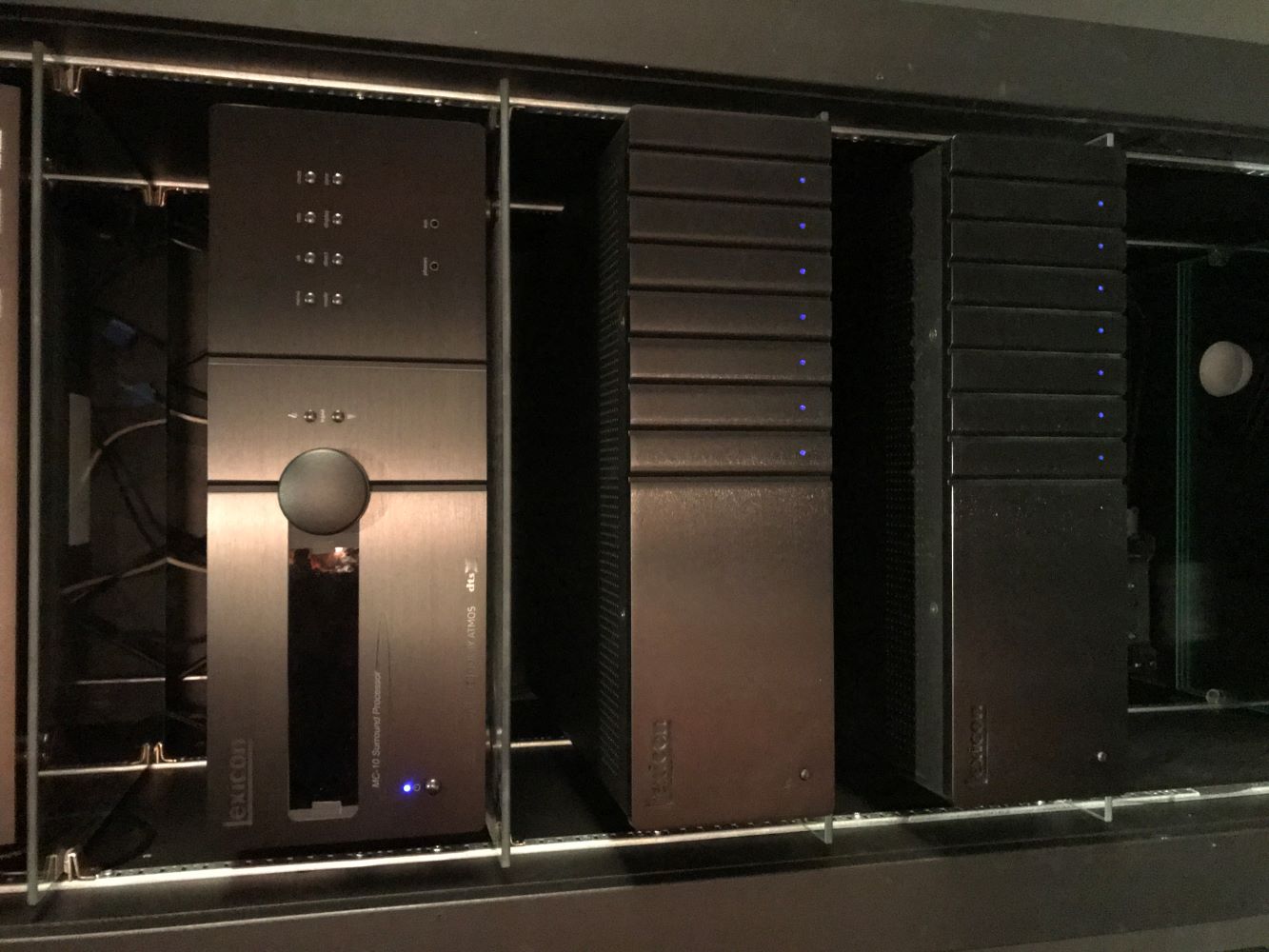
rack2.jpg


I had to over expose the photos in my theater because it's hard to see anything in there due to the entire room being black and nonreflective. Also, there is a bit of a trick of the light and they don't look the same color in the photo, but they are. I even switched the two faceplates to be sure. I think it's the black leather chair reflecting off the bottom one a bit.

Anyway, I have to decide if I want to restore the original silkscreen or not. I think they look good the way they are already, but maybe they would be better. Mike and some other folks have recommended having them laser etched instead of silkscreen, and Mike gave me a referral for that. I'm waiting for their quite before I decide.
Oh yeah, another thing is that after I took the photos I added neutral density filters to the LEDs so they wouldn't be so bright in my dark room. I just barely like to be able to see them in the dark so they aren't distracting, but they still provide their information (blue is nominal, red is overheat...).

I'm quite please :D

craigr
 
Anodizing is something that you really can't do on your own. Needs a professional to make it work and it looks like it was an outstanding success. :rockon:

Mark Gosdin
 
Those look really good! Laser etching is definitely the way to go for marking, and it shouldn't be all that expensive.
 
Anodizing is something that you really can't do on your own. Needs a professional to make it work and it looks like it was an outstanding success. :rockon:

Mark Gosdin

Those look really good! Laser etching is definitely the way to go for marking, and it shouldn't be all that expensive.

Thanks guys!

I really really really wanted to try anodizing myself, but from what I read experience is key and that I don't have. Mike is a real pro and certainly has what I don't. Not to mention getting and then getting rid of all the chemicals and the potential injuries from the process.

I just got a bid back from a laser etching place and they said $410! I sent some follow up questions because this is way higher than I expected (like more than double) so I am wondering if there has been a miscommunication somehow. I was expecting $100-$125... If $410 is the norm, these will be staying as-is or I will see if silk screening is cheaper. I don't really care that much about the small amount of printing that was on these amps anyway.

craigr
 
I just got a bid back from a laser etching place and they said $410! I sent some follow up questions because this is way higher than I expected (like more than double) so I am wondering if there has been a miscommunication somehow. I was expecting $100-$125...

Yeah, I was expecting something around $100. Are you providing the artwork or do they need to make it? I could see that adding quite a bit to the price.
 
Anodizing is something that you really can't do on your own. Needs a professional to make it work and it looks like it was an outstanding success. :rockon:

I've done plenty of anodizing on my kitchen stove with great success. Granted, it was simple (MIL-A-8625) Type II, so it wasn't as tough as "hardcoat" Type III. But with Type II, you have the entire rainbow -and more- as your pallette, whereas with Type III you only have the choice of about four colors...
I've also anodized titanium at home, which is ridiculously simple, although the pallette is quite limited.

Anyway, I have to decide if I want to restore the original silkscreen or not. I think they look good the way they are already, but maybe they would be better.

For me, anodizing is easy, but *silk-screening* is tricky! I've made my own screens, and printed on solid objects (even round ones). It really is a precision process requiring special tooling to get clean, repeatable results. And you can bake the ink on at a higher temp than printing on clothing.

I always thought it was impossible because the first "part" couldn't be masked well enough, and that the second "part" would bleed into the portions of the first. That's really cool!

Folks have been doing this for a long time with rubber cement as a mask to make all kinds of interesting effects. As many mask layers and colors as you want!
 
I've done plenty of anodizing on my kitchen stove with great success. Granted, it was simple (MIL-A-8625) Type II, so it wasn't as tough as "hardcoat" Type III. But with Type II, you have the entire rainbow -and more- as your pallette, whereas with Type III you only have the choice of about four colors...

I used to work for a Curtain Wall, Door & Window manufacturer. It was all industrial grade "Hardcoat", yep basically 4 colors. Extruded Aluminum cut to form. To be honest the chemicals needed for Anodizing, for certain for "Hardcoat", are nasty stuff. ( That's the reason that I quit that job. ) I would not want to do that at home, but to each his own.

Mark Gosdin
 
To be honest the chemicals needed for Anodizing, for certain for "Hardcoat", are nasty stuff. ( That's the reason that I quit that job. ) I would not want to do that at home, but to each his own.

For the Type II aluminum anodizing I've done at home, you only need hot *dilute* sulfuric acid plus electricity. Cheap and easy, appropriate PPE and plan for emergencies.
Nothing compared to the time I had a half gallon of *boiling concentrated* sulfuric acid break out of its container on my kitchen stove- turned the nearby dishtowels instantly to a charcoal layer fused onto the countertop, and left a patina on the stainless sink... Oh, and chemical pulmonary edema is a thing.
The *industrial* dyes for best results are the most expensive part of anodizing at home.
 
I just got the faceplates back today after having them reanodized in black. They were done at Mike's Anodizing Company here in Chicago (859 N Spaulding Ave, 773-722-5778). Mike says he likes doing little projects like these, and he personally spent a good amount of time with me. He gave me a tour of their facility and it is really something and it sure is bigger than I expected. He also said they would take a week, but I brought them in Monday morning around 10:00 and they were finished Wednesday afternoon.

I considered matching the texture of the LX-7's with the MC-10, but Mike said he'd have to send them out for that. It would have taken a week and cost $115 plus shipping. Mike thought I'd be really happy leaving them as-is and boy he was right. It would have been a waste. He also said their military black would be a near perfect match to the MC-10 and he was correct there too. Lexicon black is like pitch black, which is a bit atypical for AV gear, but Mike said this is what the military expects when they ask for black. He really knows his stuff and I highly recommend the company. They also stripped the old anodization before the reanodization. I removed the original silkscreen myself with Goof Off, a Q-tip, a microfiber, and some elbow grease.

I don't want to post pricing because it's not my intention to box them in, but I will say I found the price very reasonable. I really wanted to attempt this on my own, but I doubt my results would have been nearly this good and I am sure procuring everything to do it would have actually cost more (plus a lot of time).

plates.jpg


rack1.jpg


rack2.jpg


I had to over expose the photos in my theater because it's hard to see anything in there due to the entire room being black and nonreflective. Also, there is a bit of a trick of the light and they don't look the same color in the photo, but they are. I even switched the two faceplates to be sure. I think it's the black leather chair reflecting off the bottom one a bit.

Anyway, I have to decide if I want to restore the original silkscreen or not. I think they look good the way they are already, but maybe they would be better. Mike and some other folks have recommended having them laser etched instead of silkscreen, and Mike gave me a referral for that. I'm waiting for their quite before I decide.
Oh yeah, another thing is that after I took the photos I added neutral density filters to the LEDs so they wouldn't be so bright in my dark room. I just barely like to be able to see them in the dark so they aren't distracting, but they still provide their information (blue is nominal, red is overheat...).

I'm quite please :D

craigr
Looks really good. What if there is a scratch on the face and that face has the brushed aluminum going parallel, can that be fixed?

Audiofreak71
 
For the Type II aluminum anodizing I've done at home, you only need hot *dilute* sulfuric acid plus electricity. Cheap and easy, appropriate PPE and plan for emergencies.
Nothing compared to the time I had a half gallon of *boiling concentrated* sulfuric acid break out of its container on my kitchen stove- turned the nearby dishtowels instantly to a charcoal layer fused onto the countertop, and left a patina on the stainless sink... Oh, and chemical pulmonary edema is a thing.
The *industrial* dyes for best results are the most expensive part of anodizing at home.
Now that sounds fun :eek:

craigr
 
Looks really good. What if there is a scratch on the face and that face has the brushed aluminum going parallel, can that be fixed?

Audiofreak71
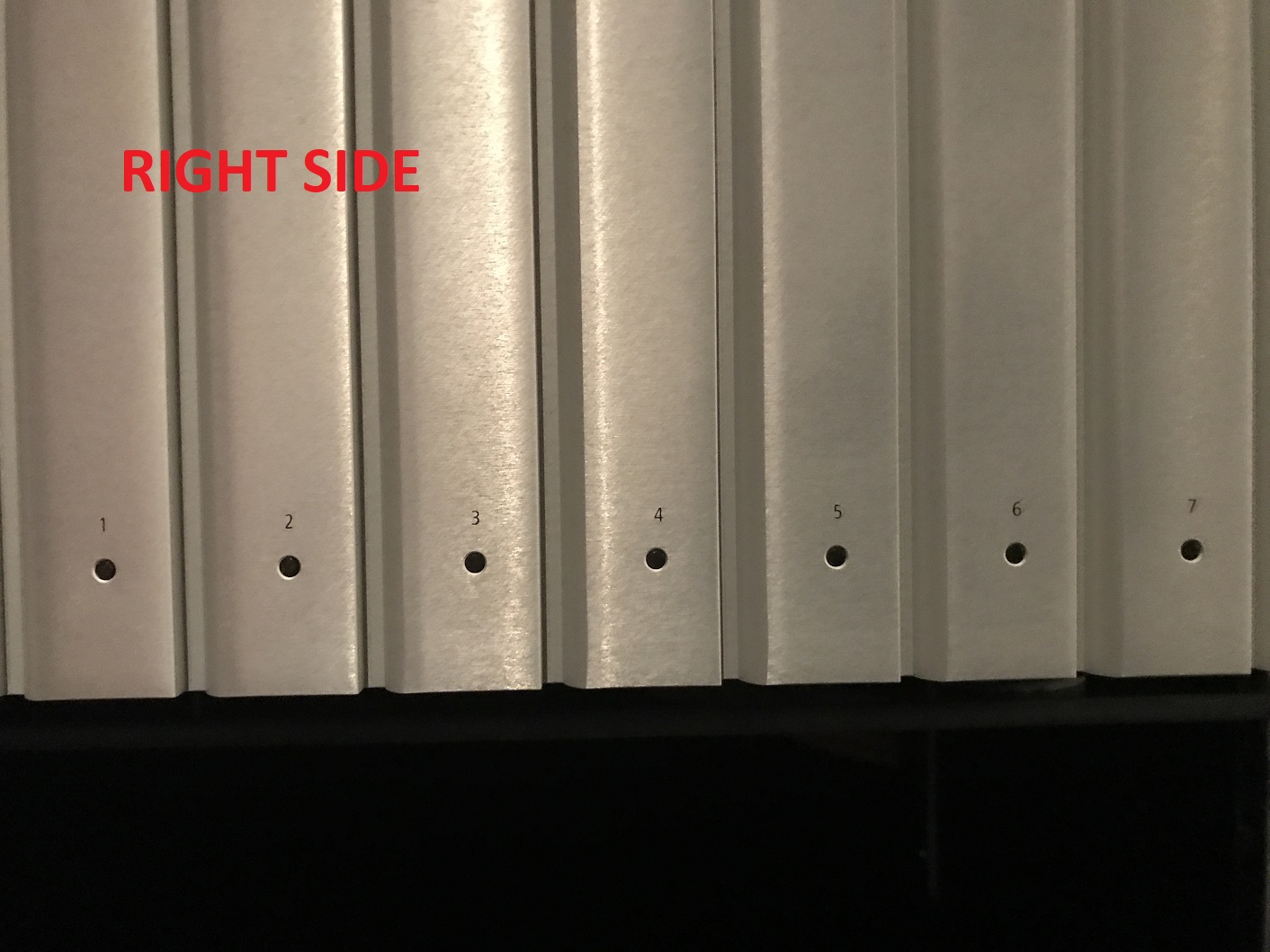
In my top photo of the two face plates, if you look at the center channel indicator LED hole (channel 4), above it there is a small blemish. I tried to touch it up with some sandpaper beforehand (I think I may have actually made it worse). However, If I had opted to have them resurfaced, than that blemish would have been gone as well. So yes you can fix it.

I did consider resurfacing myself. I don't think it would be too difficult to lay a full sheet of sandpaper on something very flat like a sheet of glass and slowly drag the face plate over the sandpaper straight and in one direction over and over. You'd need to choose the right grit you want. It would also be best to have the old anodization removed first which would mean two trips to the anodization shop and back.

craigr
 
In my top photo of the two face plates, if you look at the center channel indicator LED hole (channel 4), above it there is a small blemish. I tried to touch it up with some sandpaper beforehand (I think I may have actually made it worse). However, If I had opted to have them resurfaced, than that blemish would have been gone as well. So yes you can fix it.

I did consider resurfacing myself. I don't think it would be too difficult to lay a full sheet of sandpaper on something very flat like a sheet of glass and slowly drag the face plate over the sandpaper straight and in one direction over and over. You'd need to choose the right grit you want. It would also be best to have the old anodization removed first which would mean two trips to the anodization shop and back.

craigr
That’s good to know , thanks for the info :thumbsup:

Audiofreak71
 
Ive always wondered about powercoating faceplates to ones taste.
I don't remember which, but one of our high end equipment makers uses powder coating instead of anodization. They say it's MUCH easier to get consistent color matches especially across the years and decades due to alloy and minor process changes.

craigr
 
Here is one with the dimmed LED's. The photo is still over exposed so they appear brighter than they really are, but you get the idea.


rack3.jpg


craigr
 
Yeah, I was expecting something around $100. Are you providing the artwork or do they need to make it? I could see that adding quite a bit to the price.
So there was a miscommunication and the bid is $185 to laser etch both plates. I'd be providing a scan of the original silk screen for them to match. There isn't a lot there really. Here is what they need do:

laser1.jpg


laser2.jpg


laser3.jpg


What do you think for that price?

craigr
 
Leave them as is. I'm not reacting to the money, but to the aesthetic. The three units look right, as they are: the two power amps look like subsidiary parts of a whole, controlled from the third "master" unit.

M'frs want their name on everything they make. But your three units speak for themselves, in a single laid-back voice.

And thanks for all the useful info about anodizing...
 
Back
Top Bottom