

You are using an out of date browser. It may not display this or other websites correctly.
You should upgrade or use an alternative browser.
You should upgrade or use an alternative browser.

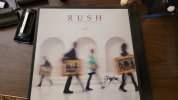
2015 remaster 200g pressing

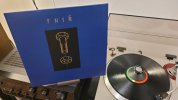
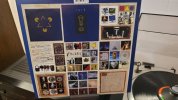





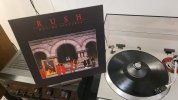




Sides 7 through 10 that I hadn't played until last night.

Love "Here Again".Rush
View attachment 916053
Track list:
1. Finding My Way
2. Need Some Love
3. Take A Friend
4. Here Again
5. What You're Doing
6. In The Mood
7. Before And After
8. Working Man
The first album, released on the band's own label in Canada and later by Mercury in the US. Rush has only had one change in lineup over their history and the self-titled album is the only one featuring the original trio, Geddy Lee on vocals, bass and keyboards, Alex Lifeson on guitar and John Rutsey on drums.
Rush formed in 1968 and played anywhere they could find an audience, playing covers of well known rock bands as well as their own work. But record deals didn't come easy and it seemed that the band would be destined to play Toronto clubs until they got bored and went back to their day jobs.
The band resorted to self publishing their debut album and a copy of it ended up on Donna Halper's desk at WMMV in Cleveland. Whether Donna was bowled over by the music or not, she recognized a talent and, more importantly, a track that is a boon to radio presenters everywhere; a track that allows a bathroom break and will still be playing when the business is done. The 7 minute plus Working Man was ideal and Rush hit the airwaves, courtesy of a DJ's visits to the ladies room. Donna said later that Working Man was the right sound at the right time, appealing to the blue collar population of Cleveland, who responded enthusiastically and called in requesting information on where this new sound could be acquired. Halper has gone down in history as the woman who discovered Rush and was rewarded by having the first two albums dedicated to her. She also spoke at the enrolment of the band into the Rock and Roll Hall of Fame.
With a record contract in hand it was time for some changes. John Rutsey, while enthusiastic enough, was diabetic and not physically up to the rigours of life on tour and was replaced by Neil Peart. Terry Brown began a relationship with the band as producer which lasted many years and an uphill battle ensued, as the band found it necessary to prove their worth to Mercury. The next 2 or 3 posts will go into some detail about that struggle, as the next albums are introduced. Lee and Lifeson joke about Peart forever being the new guy, but it's a sure fact that his skill with lyrics propelled the band along a far different path than would otherwise have been the case.
That a debut album is still playable after more than 40 years and compares favourably with the rest of the band's catalogue is testament to the talent that Donna Halper heard. From the raw power of Working Man to the gentle blues of Here Again, Rush is still well worth spending 40 minutes on.