Numistrek09
Super Member
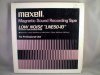
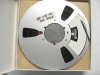
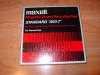
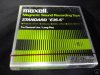
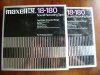
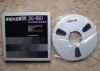
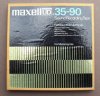
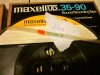
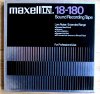
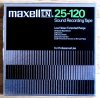
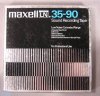
This guide is the culmination of years, of on again/off again interest on the subject. While there are other guides available on the internet, i have tried to make this one the most complete. I hope that it will serve as a permanent reference to Maxell's ever popular 1/4" open reel tapes.
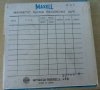
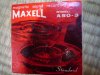
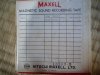
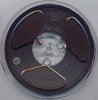
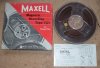
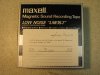
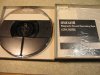
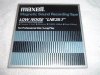
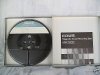
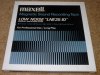
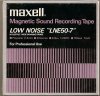
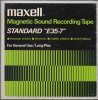
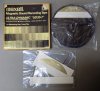
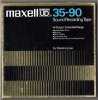
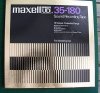
I have tried to ensure that everything seen and stated here is as accurate as possible. That said, some areas are still a mystery and mistakes likely exist. If anyone reading this has additional information; whether in the form of brochures, flyers or publications, let me know and I'll add/amend as needed. Pictures of tape boxes, reels, info/label cards and tape leaders are also welcome!
History
Maxell was spun out of the battery and magnetic tape divisions of Nitto Electric lndustrial Co., in 1961. In 1964 they changed their name to Hitachi Maxell, LTD. For the first few years, it seems that most of their production was only in the battery area. But by 1966, they were producing audio cassette tapes for the home market. This list takes that year as it's starting point.
Note:
For awhile you could find both Maxell and Hitachi branded tapes on the market. The model numbers were
different, but both carried the same line name. IE Low Noise or Ultra Dynamic.
Keys to understanding Maxell tape model designations
Letters before the numbers are used to designate what the substraight of the tape is and what product it belongs to.
A = Acetate based tape
E = Polyester based tape
St = Standard tape
SS = Super Sound tape
LN = Low Noise tape
UD = Ultra Dynamic tape
UD-XL = enhanced Ultra Dynamic tape
XLI = XLI tape
XLII = XLII Extra Efficiency tape
In the early years, these letters were often combined. Such as LNE or LNA. However, with the abandoning
of acetate based tapes, the A and E designations were dropped. Only letters related to the model lines
continued to be used.
Numbers
The first number after the letters is the tape thickness. (measured in microns)
18 micron = .50 mil tape
25 micron = .75 mil tape
35 micron = 1.00 mil tape
50 micron = 1.50 mil tape
The last number was the reel size in inches. Later this was changed to the number of minutes of recording
time at 7.5 ips. (60, 90, 120 or 180 minutes)
76 is a 3" reel
3 is a 3.5" reel
4 is a 4" reel
5 is a 5" reel
6 is a 6" reel
7 is a 7" reel
10 is a 10.5" reel
Letters after the numbers
L means it is on a large hub plastic reel.
PR means it is a plastic reel instead of a metal one (10.5" tapes only)
B means it is backcoated tape
Some examples...
A tape labeled: A50-7 is a acetate 1.5 mil tape on a 7" reel
A tape labeled: E25-6 is a polyester .75 mil tape on a 6" reel
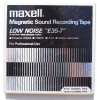
A tape labeled: LNE35-7L is a Low Noise series polyester 1 mil tape on a large hub 7" reel
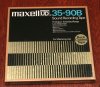
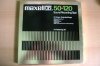
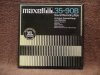
A tape labeled: UD 35-90B is a Ultra Dynamic 1 mil 90 minute backcoated tape
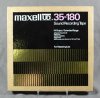
A tape labeled: UD 35-180PR is a Ultra Dynamic 1 mil 180 minute tape on a plastic 10.5" reel
Additional info
Run time
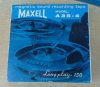
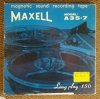
In the early days, a tape's playing time was also shown on the box. There were four times shown.
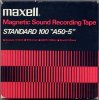
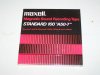
Standard - 100
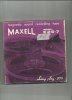
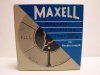
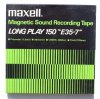
Long Play - 150
Long Play - 200
Long Play - 300
These designations were also printed on the tape leaders. The number roughly broke down to a x value.
Such as Standard run time x 1.5 or x 2, etc. So a Long Play 300 tape had 3 times as much recording time as a Standard 100 tape. This labeling system was dropped, shortly before the switch to showing the total run time in minutes at 7.5 ips. (see above)
Tape length
This number was usually printed somewhere on or in the box. In the early days, there were many different
lengths due to the wide number of reel sizes and tape thicknesses. By the mid 70's, they had solidified
into lengths of 1200, 1800, 2400 and 3600 feet.
I have tried to ensure that everything seen and stated here is as accurate as possible. That said, some areas are still a mystery and mistakes likely exist. If anyone reading this has additional information; whether in the form of brochures, flyers or publications, let me know and I'll add/amend as needed. Pictures of tape boxes, reels, info/label cards and tape leaders are also welcome!
History
Maxell was spun out of the battery and magnetic tape divisions of Nitto Electric lndustrial Co., in 1961. In 1964 they changed their name to Hitachi Maxell, LTD. For the first few years, it seems that most of their production was only in the battery area. But by 1966, they were producing audio cassette tapes for the home market. This list takes that year as it's starting point.
Note:
For awhile you could find both Maxell and Hitachi branded tapes on the market. The model numbers were
different, but both carried the same line name. IE Low Noise or Ultra Dynamic.
Keys to understanding Maxell tape model designations
Letters before the numbers are used to designate what the substraight of the tape is and what product it belongs to.
A = Acetate based tape
E = Polyester based tape
St = Standard tape
SS = Super Sound tape
LN = Low Noise tape
UD = Ultra Dynamic tape
UD-XL = enhanced Ultra Dynamic tape
XLI = XLI tape
XLII = XLII Extra Efficiency tape
In the early years, these letters were often combined. Such as LNE or LNA. However, with the abandoning
of acetate based tapes, the A and E designations were dropped. Only letters related to the model lines
continued to be used.
Numbers
The first number after the letters is the tape thickness. (measured in microns)
18 micron = .50 mil tape
25 micron = .75 mil tape
35 micron = 1.00 mil tape
50 micron = 1.50 mil tape
The last number was the reel size in inches. Later this was changed to the number of minutes of recording
time at 7.5 ips. (60, 90, 120 or 180 minutes)
76 is a 3" reel
3 is a 3.5" reel
4 is a 4" reel
5 is a 5" reel
6 is a 6" reel
7 is a 7" reel
10 is a 10.5" reel
Letters after the numbers
L means it is on a large hub plastic reel.
PR means it is a plastic reel instead of a metal one (10.5" tapes only)
B means it is backcoated tape
Some examples...
A tape labeled: A50-7 is a acetate 1.5 mil tape on a 7" reel
A tape labeled: E25-6 is a polyester .75 mil tape on a 6" reel
A tape labeled: LNE35-7L is a Low Noise series polyester 1 mil tape on a large hub 7" reel
A tape labeled: UD 35-90B is a Ultra Dynamic 1 mil 90 minute backcoated tape
A tape labeled: UD 35-180PR is a Ultra Dynamic 1 mil 180 minute tape on a plastic 10.5" reel
Additional info
Run time
In the early days, a tape's playing time was also shown on the box. There were four times shown.
Standard - 100
Long Play - 150
Long Play - 200
Long Play - 300
These designations were also printed on the tape leaders. The number roughly broke down to a x value.
Such as Standard run time x 1.5 or x 2, etc. So a Long Play 300 tape had 3 times as much recording time as a Standard 100 tape. This labeling system was dropped, shortly before the switch to showing the total run time in minutes at 7.5 ips. (see above)
Tape length
This number was usually printed somewhere on or in the box. In the early days, there were many different
lengths due to the wide number of reel sizes and tape thicknesses. By the mid 70's, they had solidified
into lengths of 1200, 1800, 2400 and 3600 feet.
Last edited: