For the classical music I love, I prefer modern performances/recordings (i.e., performances recorded in the last dozen years or so) that were captured and mastered in multi-channel hi-res digital (e.g., 24bit/192kHz PCM, or DSD), and delivered on a disc featuring DTS-HD MA 5.1 (e.g., Blu-ray, Pure Audio Blu-ray, Ultra HD Blu-ray), or an SACD disc that features multi-channel DSD.
Modern hi-res recordings can reproduce uncompressed sound for large-scale classical music that has significant dynamic range.
Here’s my TV room System:
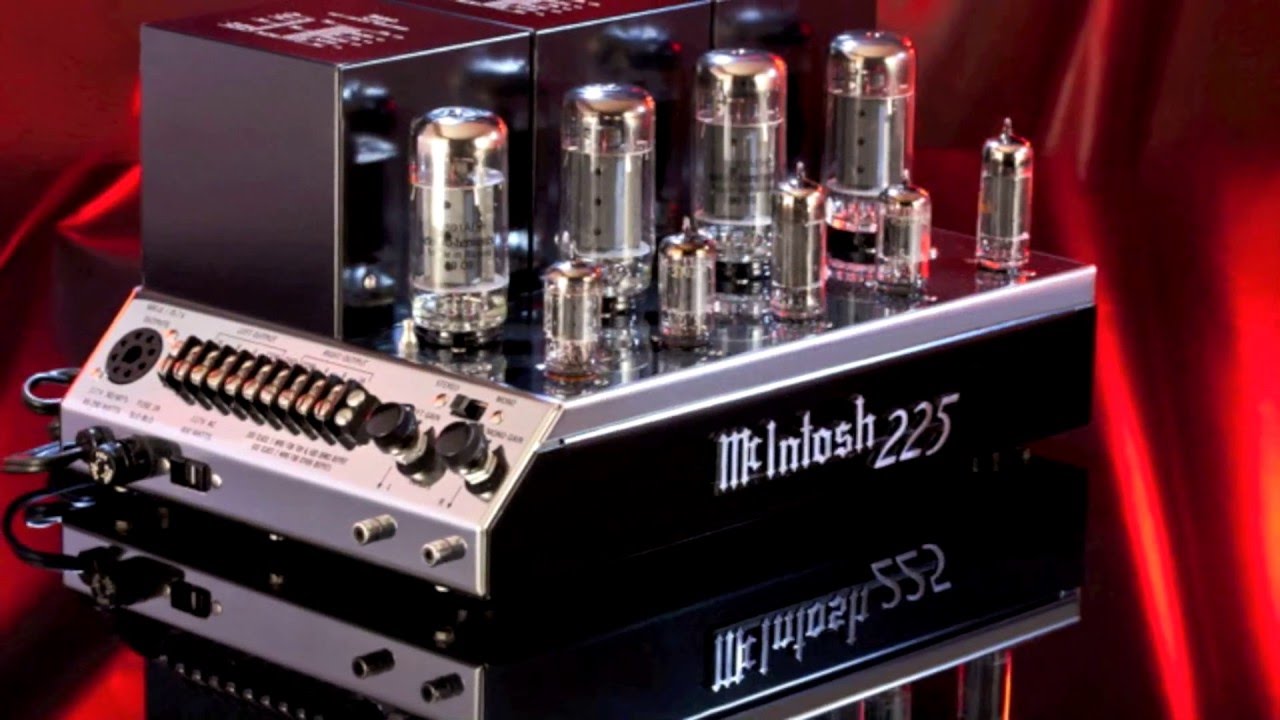
Main front left & right speakers are Klipsch Palladium P-37F. Center: Klipsch RC-64III. Single rear: Klipsch RP-502S. Subwoofer: Klipsch P-312W. The source is an Oppo UDP-205 for playing Blu-ray and SACD, and a USB hard drive containing high-res FLAC recordings. I generally use vintage tube amps for music: Scott 399, Fisher X-1000, Scott 299C, McIntosh MX110Z / McIntosh MC240 or McIntosh MC225. I use solid-state amps for movies (and summertime): NAD C375BEE, and an NAD D 3045. A patch panel (banana plugs) allows me to connect the speakers to whichever amp I want, and Niles AXP-1 RCA selector switches connect the Oppo to the amp. HDTV is connected via TOSLINK to the UDP-205 to play audio from broadcast TV via the hi-fi. Chromecast connected to the HDMI input of my UDP-205 for streaming video. Chromecast Audio is connected via analog audio to the NAD C375BEE for internet radio.
I used to have a Pioneer SX-1980 in this TV room system. Neither the SX-1980 (270wpc) nor my NAD C375BEE (150wpc) sounds better than any of my tube amps in this system - even for modern hi-res recordings of large-scale classical music that have tremendous dynamic range.
Here’s my living room system:
Stereo speakers are Snell Type CV. Center: Klipsch RC-64III. Single rear: RP-502S. Subwoofer: Klipsch P-312W. The source components are Oppo BDP-105 for playing Blu-ray, SACDs, and CDs (and a USB hard drive containing high-res FLAC recordings), and Dual 1249 with Stanton 681EE equipped with a new Shibata stylus. Amps include a pair of McIntosh MC30s, Scott 296, McIntosh MX110Z / McIntosh MC275, a pair of Pilot HF-56 mono receivers, an NAD pre-amp and Acurus A250 power-amp for movies, and a McIntosh 2155 driving JBL L830s in the kitchen / dining room. A patch panel (banana plugs) allows me to connect the speakers to whichever amp I want, and a F/F RCA cables enable me to connect an amp to the Oppo. Chromecast Audio is connected via analog audio to the NAD pre-amp for internet radio.
Neither my Acurus A250 (250wpc) nor my McIntosh 2155 (150wpc) sounds better than the tube amps in this living room system - even for modern hi-res recordings of large-scale classical music that have tremendous dynamic range.
Here’s my basement system:
Front, center, and left speakers are Klipsch RF-7 II. A single rear speaker is a Klipsch RF-7. Subwoofers: SVS SB16-Ultra, Klipsch R-115SW. Source: Oppo UDP-205 for playing Blu-ray and SACDs, and a USB hard drive containing high-res FLAC recordings. Amps: Scott 272, Inspire “Fire Bottle” SE Stereo Tube Amplifier HO, Scott 222C, Fisher KX-200, Scott 296, Pilot SA-260, Scott LK150, Altec 353A, Kenwood KR-9050. (This system also has a Schiit Loki tone-control. I can connect the power amps direct to the Oppo, or insert the Loki.) A patch panel allows me to connect the speakers to whichever amp I want, and F/F RCA cables enable me to connect an amp to the Oppo, and a power amp to the Loki if I choose to do so. Chromecast Audio is connected via TOSLINK to the UDP-205 for internet radio.
I used to have a Marantz 2325 in this basement system. Neither my Kenwood KR-9050 (200wpc) nor the Marantz 2325 (125wpc) sounds better than any of my push/pull tube amps in this system - even for modern hi-res recordings of large-scale classical music that have tremendous dynamic range. (My 8 wpc SEP amp comes up short for large-scale orchestral music, but sounds great for small-scale folk music and jazz.)
Bottom line: Beyond what is needed to reproduce uncompressed concert-hall level sound levels for particular speakers in a particular room for a particular recording, more wpc does not equate to better sound quality - IME.
P.S. Note that my systems have powered subwoofers that off-load the power-hungry deep bass from the main stereo amp and speakers.