• The move to the new server is done. There are some software and database maintenance updates in process. This has us passing the hat around to help out. We appreciate any donations. Seriously, even a dollar helps. The payment page may be found here - https://www.audiokarma.org/support.html

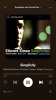
WiiM WiFi Streamer

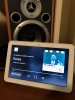
Tried using its BT interface as the "default speaker" from my Google Nest Home Hub (or whatever Google is calling it this week). It's sitting just two feet away, but was stuttering horribly. Jeez I hate Bluetooth. Back to using the CCA as the "default speaker" for this thing.

6AC6467E-6C78-4343-B6DD-184A297B0ECD.jpeg
 
bluetooth-bug.jpg

Me when I hear the mention of Blueteeth*.
 
One of Sonos' huge advantages over the competition for years was their Mesh WiFi implementation. With their "bridge", or one Sonos unit plugged into your LAN, Sonos is completely independent of your home's crappy WiFi, and dropouts NEVER happened.

Now, though, mesh WiFi routers are common and relatively inexpensive. I've just done the research, and ordered a 3-pack of the TP-Link Deco M5, since the mancave is a good 40 ft. from the current router. I expect a big improvement in throughput. The ChromeBox currently shows "medium" signal in the mancave, I'm betting it will be "strong" once we get the M5s in place.
 
I looked into this, but couldn’t tell if it did DLNA or Hi Rez. With most of the lossless services also having hi res, I don’t want a device that is going to transcode the signal to 48k, which is common. While it debatable that hi res sounds better than lossless, it is evident that transcoding on the fly can introduce artifacts that can effect sound quality. It depends on the chip being used for that process.

I have been using DLNA and AirPlay for my typical needs and I have a headphone setup next to the bed that currently doesn’t support DLNA. I found the device below when I was looking into the Kiied. The one I got was used, but hopefully it fits my needs. It will handle 24/96, which covers me while I use Tidal and Airplay for Apple Music. It doesn’t appear to have Bluetooth, but I would never use Bluetooth with this setup anyway:

https://www.amazon.com/gp/aw/d/B07536BTRX/ref=sspa_mw_detail_3?ie=UTF8&psc=1&th=1
 
Last edited:
I looked into this, but couldn’t tell if it did DLNA or Hi Rez. With most of the lossless services also having hi res, I don’t want a device that is going to transcode the signal to 48k, which is common. While it debatable that hi res sounds better than lossless, it is evident that transcoding on the fly can introduce artifacts that can effect sound quality. It depends on the chip being used for that process.

I have been using DLNA and AirPlay for my typical needs and I have a headphone setup next to the bed that currently doesn’t support DLNA. I found the device below when I was looking into the Kiied. The one I got was used, but hopefully it fits my needs. It will handle 24/96, which covers me while I use Tidal and Airplay for Apple Music. It doesn’t appear to have Bluetooth, but I would never use Bluetooth with this setup anyway:

https://www.amazon.com/gp/aw/d/B07536BTRX/ref=sspa_mw_detail_3?ie=UTF8&psc=1&th=1
I had seen this device months ago while researching for a CCA alternative. Wasn't sure of performance or quality, but definitely looks cool. Keep us informed of its performance. Maybe start its own separate thread so this one isn't hi-jacked. :thumbsup:
 
Excellent piece on why Sonos, and not other companies which have obsoleted hardware (many, many others - pricey smartphones come to mind), is being called out so vocally. None of the others came close to the convenience, longevity and support of Sonos. Nothing IME comes close to what Sonos does, so brilliantly. Non-Sonos owners will never comprehend that.

https://www.whathifi.com/us/feature...e-issue-reveals-cold-hard-truth-of-smart-tech

No other major company in audio has had to deal with technology upgrades to quite the same degree as Sonos. It’s the US brand’s advances in convenience, not audio quality, that have made it so popular. Sonos was the first to get multi-room right some 15 years ago when it launched the Sonos ZonePlayer and Controller, and it’s now become a victim of its own continuing success.

Let's be honest, few people complain about their defunct multi-room speakers made by LG, Sony, Panasonic, Denon, Samsung, Pure, Yamaha and whomever else has released a wireless audio product in recent years. No one complains, we'd argue, because nobody fell in love with them. No one built their homes around them. No one invested.

With Sonos, it’s been different but, while its customers have every right to be upset, how long can we really expect ongoing software support for anyway? Remember, these products won't stop working - they might just not get the latest bells, whistles and tweaks.

 
The KEiiD shows up in HiFi Cast as "WiiMu LinkPlayer V01-Nov 29 2019". Google found this, which is probably the common module used by all these similar devices:

https://fccid.io/2AAPP-A31/User-Manual/15-A31-UserMan-pdf-3034717

Which brings us to Parts Express:

https://www.parts-express.com/linkp...ps-192khz-24bit-digital-audio-module--321-110

And their Hi-Fly app, and off-the shelf version of this device:

https://www.parts-express.com/dayto...amer-with-ir-remote-and-app-control--300-5770

The Dayton Hi-Fly app is just another version of the same.
 
Last edited:
The mothership for all these devices: https://linkplay.com/technology-overview

They provide the modules, firmware, app, and the back end cloud services hosted on Amazon's AWS. The hardware makers simply need to build the box and customize the app a bit.

Looks like their newer A98 modules support Airplay 2 and wireless-AC. The A31 and A98 both support digital audio up to 192Khz, 24-bit. I wonder if any OEMs are using the A98 modules yet?
 
Last edited:
Much cheaper than the equivalent from BlueSound. :idea: Sonos will undoubtedly support "hi rez" on the newer devices once the legacy devices are segmented off, which has always been the ridiculous reason folks give for calling BlueSound "superior". All the current gen Sonos devices sport 32-bit DACs, so watch for the "upgrade" after May.

That said, my paying a premium for these streaming devices from ANY company, all of which will become legacy in a matter of a few years (BlueSound took just 2 years, compared to 15 for Sonos), will require lots of thought given the alternatives like the ones I've been looking into.
 
Excellent piece on why Sonos, and not other companies which have obsoleted hardware (many, many others - pricey smartphones come to mind), is being called out so vocally. None of the others came close to the convenience, longevity and support of Sonos. Nothing IME comes close to what Sonos does, so brilliantly. Non-Sonos owners will never comprehend that.

https://www.whathifi.com/us/feature...e-issue-reveals-cold-hard-truth-of-smart-tech
I think the big difference is what lack of support really means. It is one thing for a phone company (Using your example) to stop supporting an older phone with new updates, but the individual with the phone can still use it for its original purpose for years to come. It is another thing to pull the plug and brick that device.
 
Last edited:
Yes, the legacy products are being segmented out. They have 32MB of storage, and 24-bit DACs. They simply can't add new features to them, so their strategy, in order to move forward, is a necessary evil.

Newer competitors shouldn't have the same issue, but Bose, for example, has already abandoned three generations of their streaming devices. Nobody bought them, luckily, or there would be a similar outcry against them, as well. Denon, BlueSound, etc, already in 2nd generation of their products. Computer-based products go out of date way too rapidly, which is why I'm looking for cheap "smart" bits, coupled with dumb amps and speakers, which never go out of date.
 
Did I miss something? I thought the unit was only bricked if you used the 30% discount to upgrade. Otherwise the legacy unit will continue to work albeit without any support. So who knows how long it will last. I have never owned a SONUS.
 
Yes, the legacy products are being segmented out. They have 32MB of storage, and 24-bit DACs. They simply can't add new features to them, so their strategy, in order to move forward, is a necessary evil.

Newer competitors shouldn't have the same issue, but Bose, for example, has already abandoned three generations of their streaming devices. Nobody bought them, luckily, or there would be a similar outcry against them, as well. Denon, BlueSound, etc, already in 2nd generation of their products. Computer-based products go out of date way too rapidly, which is why I'm looking for cheap "smart" bits, coupled with dumb amps and speakers, which never go out of date.
I thought Bose was using AirPlay, which would mean they still work? Sonos has the unique ability to brick their older devices because of their walled garden. Fortunately, the newer devices support AirPlay 2, so even if Sonos stops updating them, they will still work with other technology.

I don’t think the lack of updates is a big deal if they still do everything they do know. If I was a Sonos owner I would be more concerned with statement about them not working at all.
 
Back
Top Bottom