• The move to the new server is done. There are some software and database maintenance updates in process. This has us passing the hat around to help out. We appreciate any donations. Seriously, even a dollar helps. The payment page may be found here - https://www.audiokarma.org/support.html

Yes: A Musical Journey

Cool. Maybe I'm too much of a purist, but I consider these mixes supplemental.
IMO, you'll still need the originals.

I agree. I have all the originals on LP and CD except for TFTO and Relayer. I only have TFTO and Relayer on LP. For better, or worse, I tend to accumulate multiple versions of albums that I really like. Between LP, CD, and Hi-Rez downloads I have 6 versions of Close To The Edge. It's a first world problem. ;) :)

-Dave
 
9. Patrick Moraz

Patrick Philippe Moraz was born on the 24th June 1948, in Morges, Switzerland. At the age of 5 he began musical composition and studied piano, violin and percussion. At 13, he broke several fingers in his right hand, but learned to use his left hand until he became ambidextrous. He studied at the Lausanne Conservatory and had interests in both jazz and classical. He formed Mainhorse in 1969 and Refugee, with former The Nice members Keith 'Lee" Jackson and Brian Davison in 1974. After recording one album with the band, he joined Yes, following the departure of Rick Wakeman and the band's unsuccessful attempts to recruit Vangelis, and stayed with the band until 1976. At the end of Yes' 1975 tour, the band took a time-out so that the members could pursue solo projects. He recorded a solo album, The Story Of I, released in 1976, and appeared on Steve Howe's solo album "Beginnings" and Chris Squire's "Fish Out Of Water". Yes toured North America in 1976 with Moraz at the keyboards.

During the writing of material for Going For The One, Rick Wakeman had indicated his interest in returning to the band, and Moraz was asked to leave.

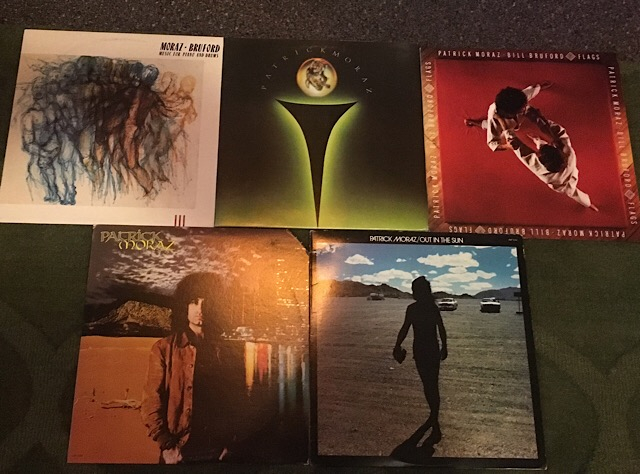
Following his departure from Yes, Moraz released another solo album "Out In The Sun", moved to Brazil and released a third album, self titled "Patrick Moraz". He also joined a Brazilian rock band called Vimana.

In 1978 Moraz joined The Moody Blues and appeared on their albums: "Long Distance Voyager" (1981), "The Present" (1983), "The Other Side of Life" (1986), and "Sur la Mer" (1988). At the same time, he recorded with Chick Corea and Bill Bruford. He was fired from The Moody Blues during the compositions for "Keys Of The Kingdom" and only appears on 3 tracks.

Since leaving The Moody Blues, Patrick Moraz has confined himself to solo work.

 
Relayer (1974)

Relayer was released in November 1974. It reached #4 in the UK and #5 in the US. It was certified gold by the RIAA for 500,000 in the US.

The album was recorded at Chris Squire's home studio, which gave the band more time to prepare the album without the studio clock and cash register counting the minutes. Eddie Offord produced the album and left the band afterwards. Steve Howe switched to a Fender Telecaster for the album, and also a pedal steel guitar, giving his contributions a totally different feel to the previous Yes albums. Patrick Moraz proved to be even more adventurous than Rick Wakeman had been, and introduced a large keyboard section.

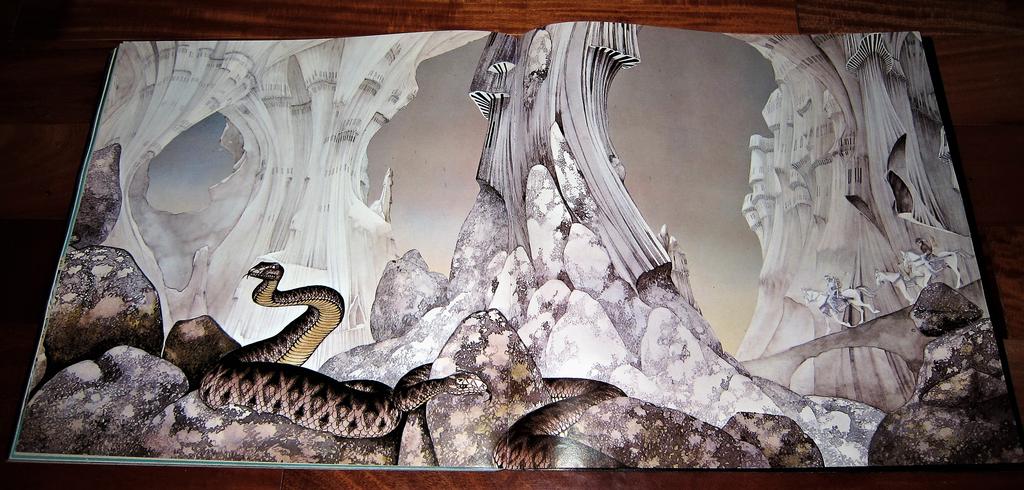
Once again, the art was by Roger Dean. He claimed that Relayer is his favourite work for Yes.

Criticism was, as usual, mixed but generally favourable. Rick Wakeman didn't like the album and was pleased, feeling that he would have felt cheated had the band pursued his idea of where it should be going after he had been forced to quit. His negative feedback amounted to "I don't get it, but I'm glad the boys are finding their direction."

Relayer.jpg

Track Listing:

Side one

1. "The Gates of Delirium" 21:55

Side two


1. "Sound Chaser" 9:25
2. "To Be Over" 9:06

Writing credits are all to "Yes"


Further reading at YESWORLD
 
Last edited:
v8h0nqomyhho.jpeg


Just in case anyone here might be interested. Here are my Patrick Moraz albums.
Once again kudos to Kevin
 
The Yes story is about to become complex, with the reappearance of an earlier member. Patrick Moraz was asked to leave after Relayer had been released to make room for Rick Wakeman. Personally, and in spite of the admiration I've always had for Wakeman, I think he got a raw deal, but history indicates that he wasn't exactly left high and dry.

So, beginning with Going For The One, I'll add a section detailing who the band members were for each album and introduce new members with a brief bio in the thread.

The Steven Wilson remixes fit into the story quite well at this point, so before taking a look at Going For The One, that's where I'll go next.
 
Last edited:
The Steven Wilson Remixes.

YES: The Steven Wilson Remixes is a five album set which gathers Steven Wilson’s remixed versions of: The Yes Album (1971), Fragile (1971), Close To The Edge (1972), Tales From Topographic Oceans (1973), and Relayer (1974) in one 6LP Vinyl set.

The record case features artwork created specifically for the set by Roger Dean, whose artwork and trademark calligraphy are synonymous with the band’s identity; two of the albums, Close To The Edge and Tales From Topographic Oceans, have new cover art, while the remaining three covers have been reworked by Dean. - YESWORLD

YES-Box-min.jpg

Further reading at YESWORLD
 
Yesterdays (1975)

Yesterdays is a compilation of previously released work from the first two albums, a cover version of Paul Simon's "America" and Dear Father, the B-side the 1970 single "Sweet Dreams". Yesterdays was the last Yes album to feature Roger Dean artwork until 1980.

Yesterdays_front_cover.jpg

Track list:

Side 1

"America" (Paul Simon) (from The New Age of Atlantic, 1972) – 10:30
"Looking Around" (Jon Anderson, Chris Squire) (from Yes, 1969) – 4:00
"Time and a Word" (Anderson, David Foster) (from Time and a Word, 1970) – 4:32
"Sweet Dreams" (Anderson, Foster) (from Time and a Word, 1970) – 3:50

Side 2

"Then" (Anderson) (from Time and a Word, 1970) – 5:45
"Survival" (Anderson) (from Yes, 1969) – 6:20
"Astral Traveller" (Anderson) (from Time and a Word, 1970) – 5:53
"Dear Father" (Anderson, Squire) (b-side of "Sweet Dreams" single, 1970) – 4:21
 
Last edited:
Yesterdays (1975)

Yesterdays is a compilation of previously released work from the first two albums, a cover version of Paul Simon's "America" and Dear Father, the B-side the 1970 single "Sweet Dreams". Yesterdays was the last Yes album to feature Roger Dean artwork until 1980.

View attachment 1224173

Track list:

Side 1

"America" (Paul Simon) (from The New Age of Atlantic, 1972) – 10:30
"Looking Around" (Jon Anderson, Chris Squire) (from Yes, 1969) – 4:00
"Time and a Word" (Anderson, David Foster) (from Time and a Word, 1970) – 4:32
"Sweet Dreams" (Anderson, Foster) (from Time and a Word, 1970) – 3:50

Side 2

"Then" (Anderson) (from Time and a Word, 1970) – 5:45
"Survival" (Anderson) (from Yes, 1969) – 6:20
"Astral Traveller" (Anderson) (from Time and a Word, 1970) – 5:53
"Dear Father" (Anderson, Squire) (b-side of "Sweet Dreams" single, 1970) – 4:21


Back in the day, this comp was my intro to the first two albums. Not sure why, but I did not secure those until the CD years, maybe late 90's?
But this does include some of the stronger tracks from those two, so a worth placeholder until they come your way.
 
9. Patrick Moraz

Patrick Philippe Moraz was born on the 24th June 1948, in Morges, Switzerland. At the age of 5 he began musical composition and studied piano, violin and percussion. At 13, he broke several fingers in his right hand, but learned to use his left hand until he became ambidextrous. He studied at the Lausanne Conservatory and had interests in both jazz and classical. He formed Mainhorse in 1969 and Refugee, with former The Nice members Keith 'Lee" Jackson and Brian Davison in 1974. After recording one album with the band, he joined Yes, following the departure of Rick Wakeman and the band's unsuccessful attempts to recruit Vangelis, and stayed with the band until 1976. At the end of Yes' 1975 tour, the band took a time-out so that the members could pursue solo projects. He recorded a solo album, The Story Of I, released in 1976, and appeared on Steve Howe's solo album "Beginnings" and Chris Squire's "Fish Out Of Water". Yes toured North America in 1976 with Moraz at the keyboards.
He's seldom mentioned when great rock keyboardists are discussed, but there's no denying his brilliance.

29 October, 1969. Keith Emerson and The Nice opened a tour of Europe in Basle, Switzerland. After the show the band adjourned to a party at their hotel. Emerson found a piano and played an impromptu set to the delight of all. While he was still playing a young man in a smart suit walked over to Keith and asked if he could trade licks with him. The entire room was shocked by the kid's boldness of invading the territory of "The world's greatest keyboard player".. Lee Jackson, The Nice's bass play/vocalist remembers that they all sat back in anticipation of a good laugh. Emerson surrendered the piano and the young man proceeded to astonish the assembled party goers with a stunning display of musicianship. Of course that unknown young man was Patrick Moraz. Melody Maker's Chris Welch wrote years late of the night that Mr. Emerson was not pleased by this incursion of his territory.

I've got his first two albums. The Patrick Moraz album, unofficially known as The Story Of I is in my opinion on the short list of prog masterpieces....Out In The Sun not so much for me.
https://en.wikipedia.org/wiki/The_Story_of_I
001.jpg
 
Relayer (1974)

Relayer was released in November 1974. It reached #4 in the UK and #5 in the US. It was certified gold by the RIAA for 500,000 in the US.

The album was recorded at Chris Squire's home studio, which gave the band more time to prepare the album without the studio clock and cash register counting the minutes. Eddie Offord produced the album and left the band afterwards. Steve Howe switched to a Fender Telecaster for the album, and also a pedal steel guitar, giving his contributions a totally different feel to the previous Yes albums. Patrick Moraz proved to be even more adventurous than Rick Wakeman had been, and introduced a large keyboard section.
Once again, the art was by Roger Dean. He claimed that Relayer is his favourite work for Yes.

Criticism was, as usual, mixed but generally favourable. Rick Wakeman didn't like the album and was pleased, feeling that he would have felt cheated had the band pursued his idea of where it should be going after he had been forced to quit. His negative feedback amounted to "I don't get it, but I'm glad the boys are finding their direction."
index.php

Relayer is my favorite Yes album. It's the one I go for almost every time. I recognize Close To The Edge, The Yes Album and Fragile as the better, more user friendly albums though.
Relayer was far more aggressive and darker than anything else in their catalog.
It would probably come in as my 2nd favorite Roger Dean cover. But that's a very close 2nd to Tales From Topographic Oceans.
The things that Patrick Moraz brought out of the other three instrumentalists can't be . They were never going to make that album with Rick Wakeman.
005.jpg


003.jpg


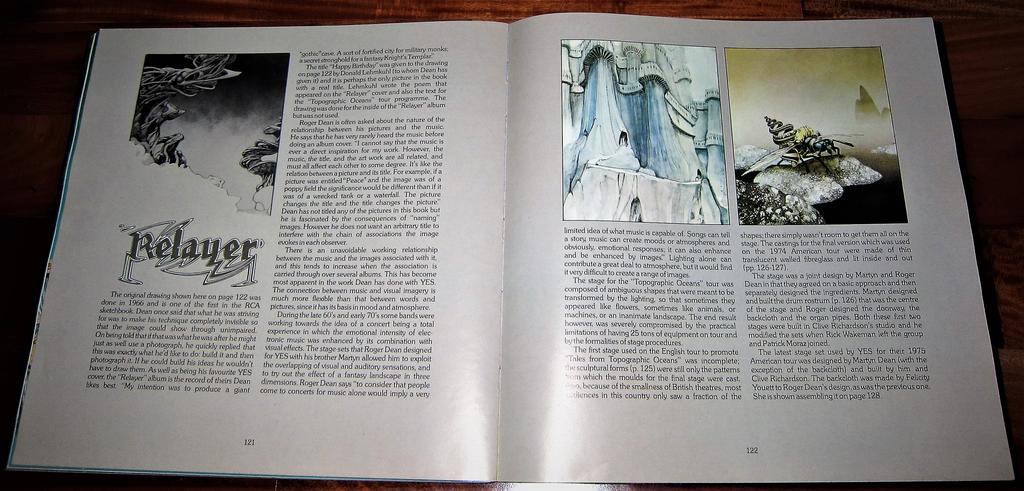
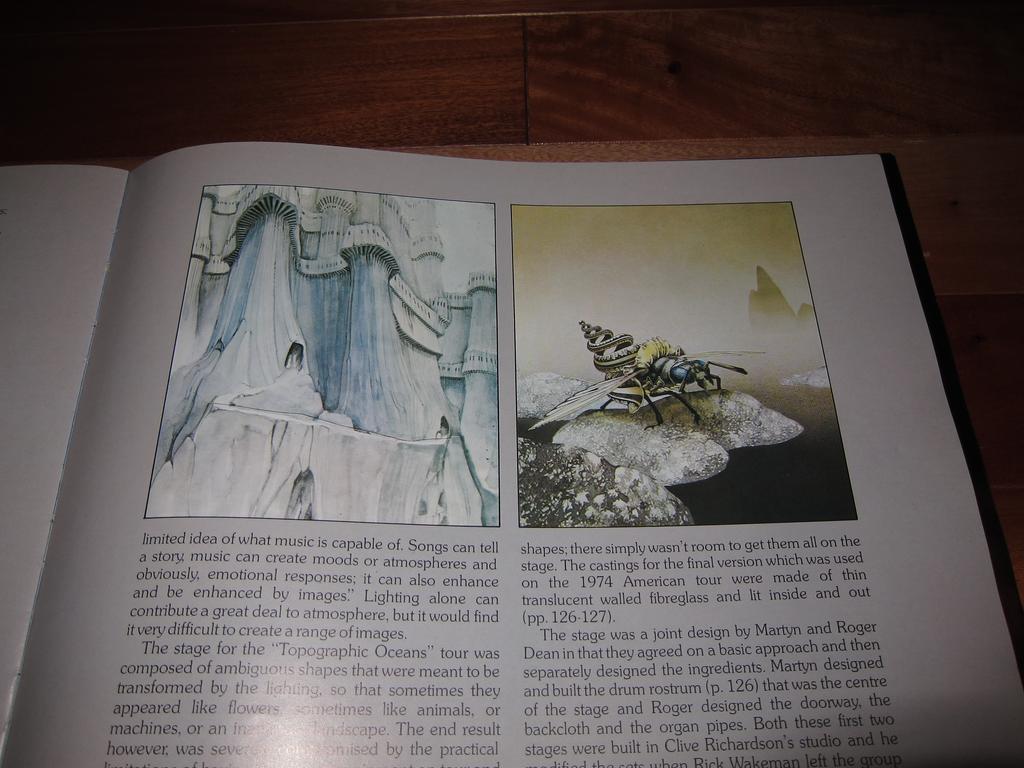
The drawing of the fortifications on the left was done in 1966 and is found in one of Roger Dean's personal sketchbooks. The painting on the right was done for the inner gatefold of Relayer, but it was not used.in favor of a photo of the band.
You can clearly see that Roger had the idea for Relayers artwork planned out long before the band even existed.
009.jpg


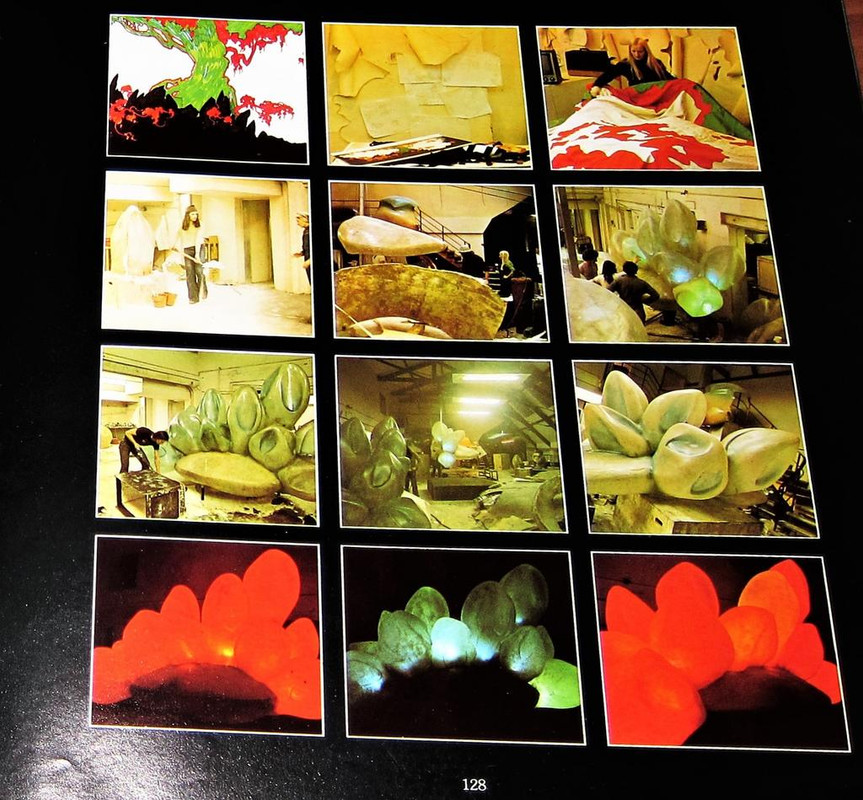
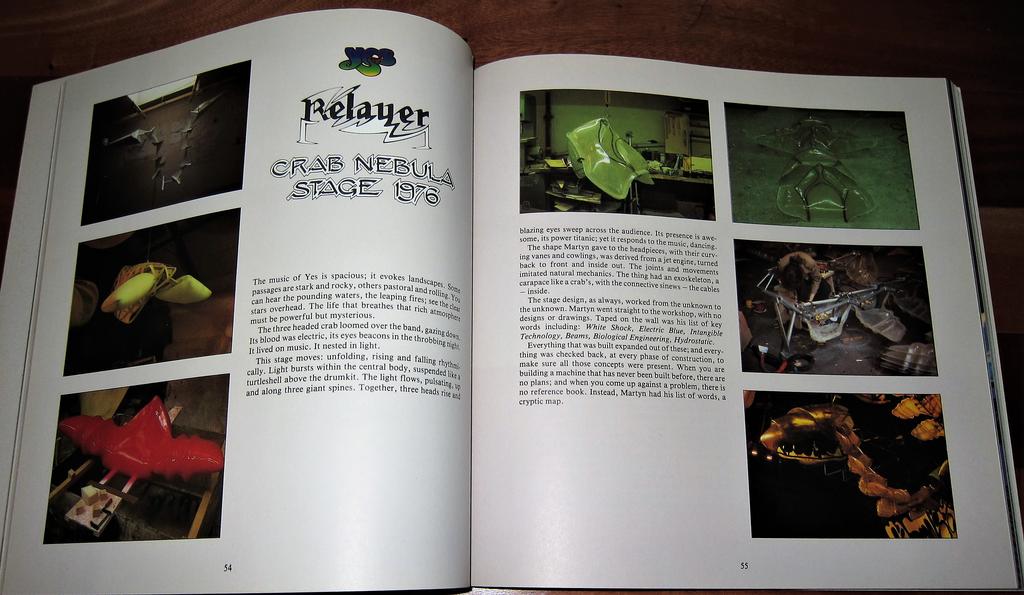
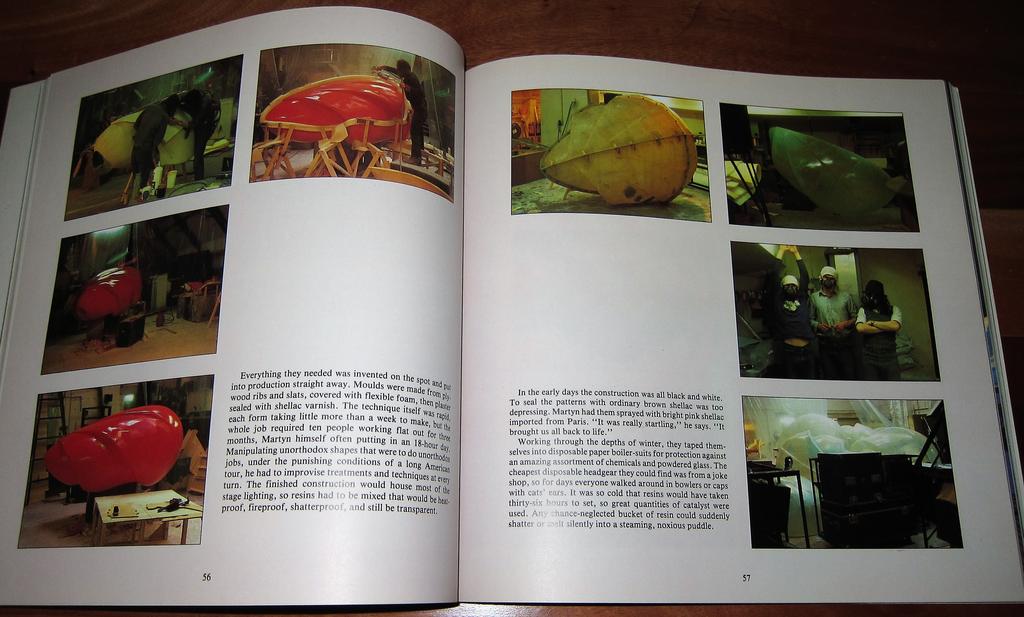
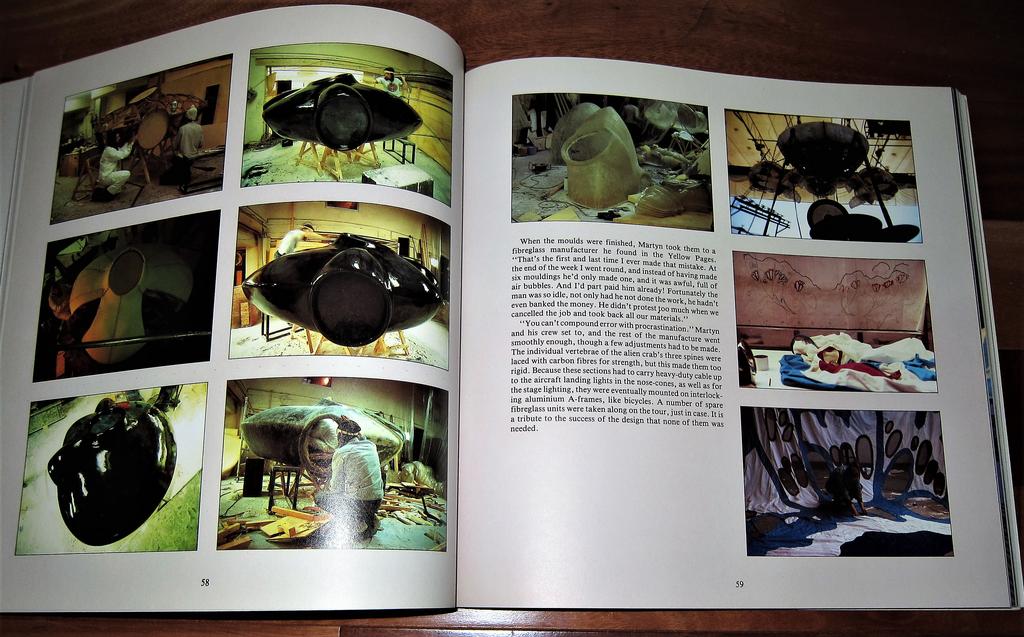
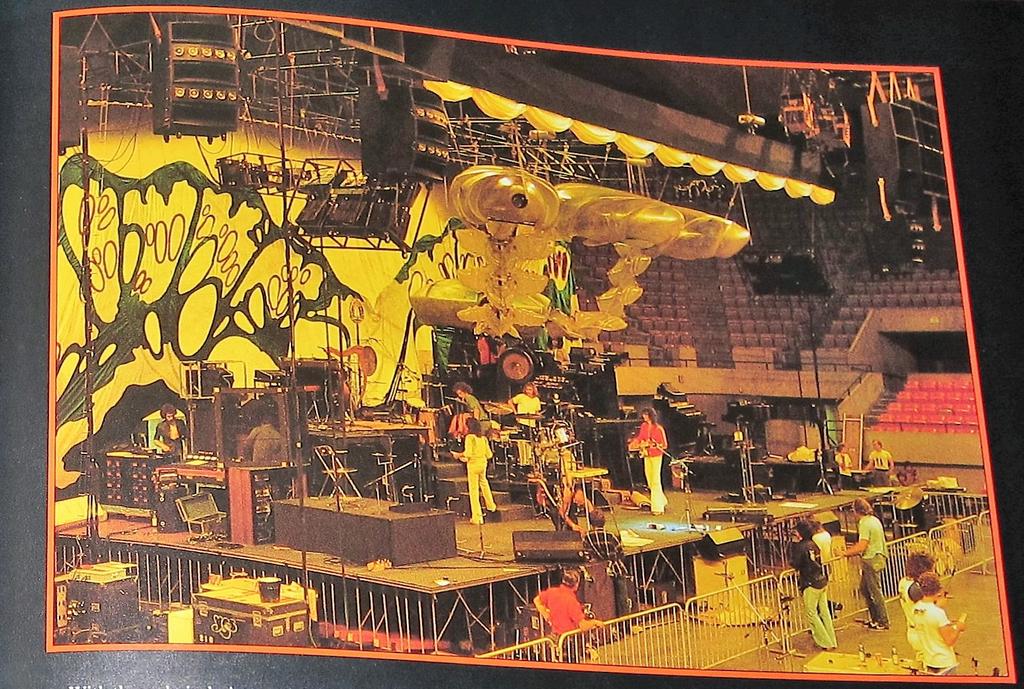
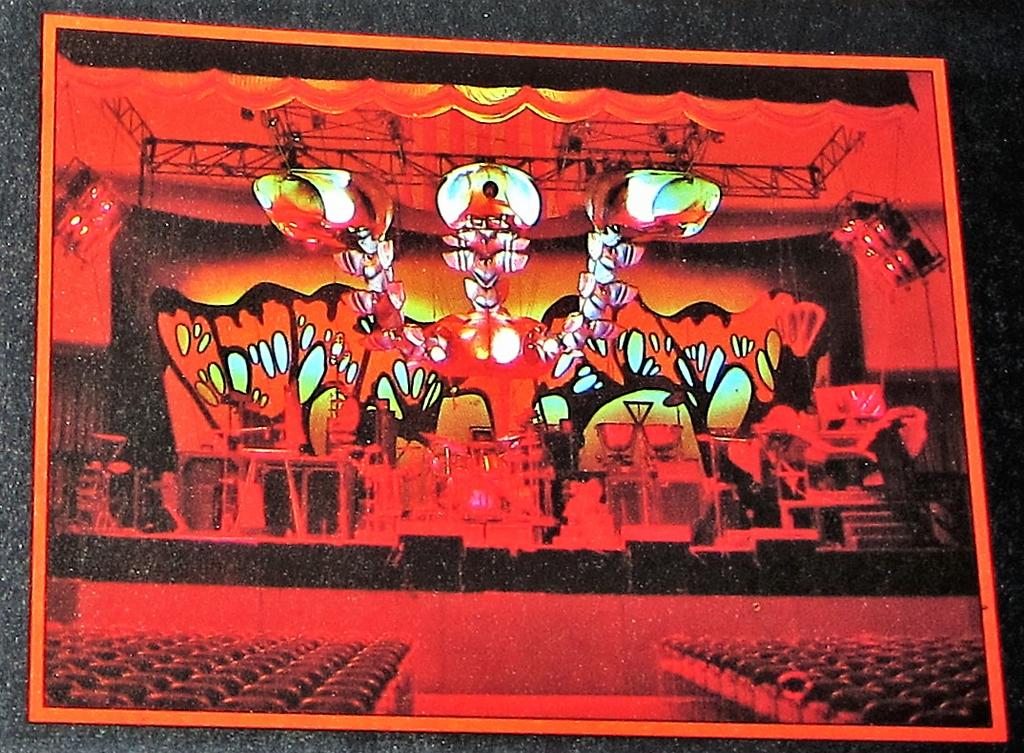
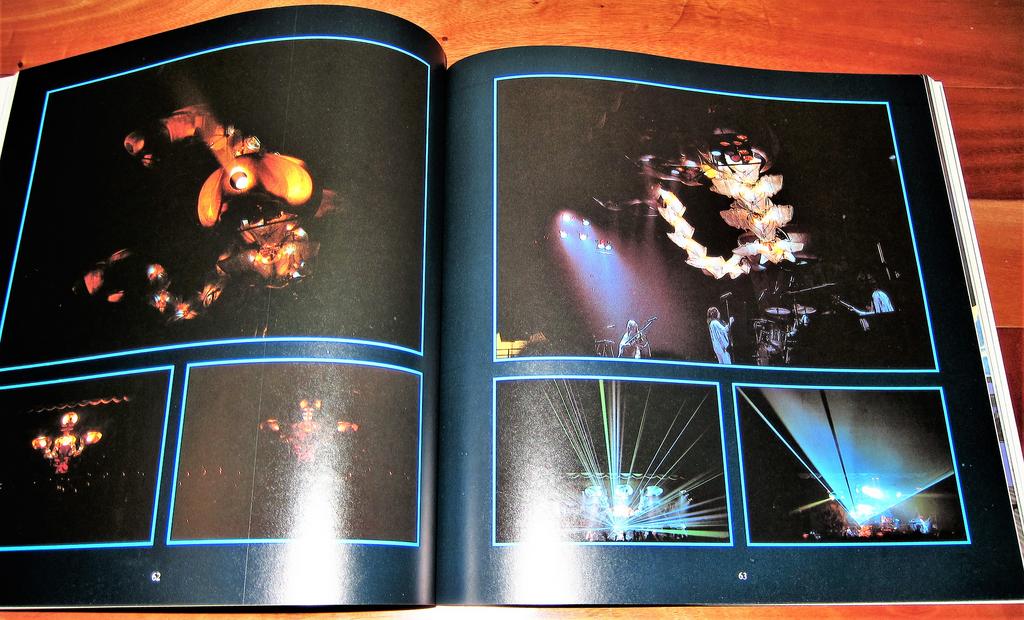
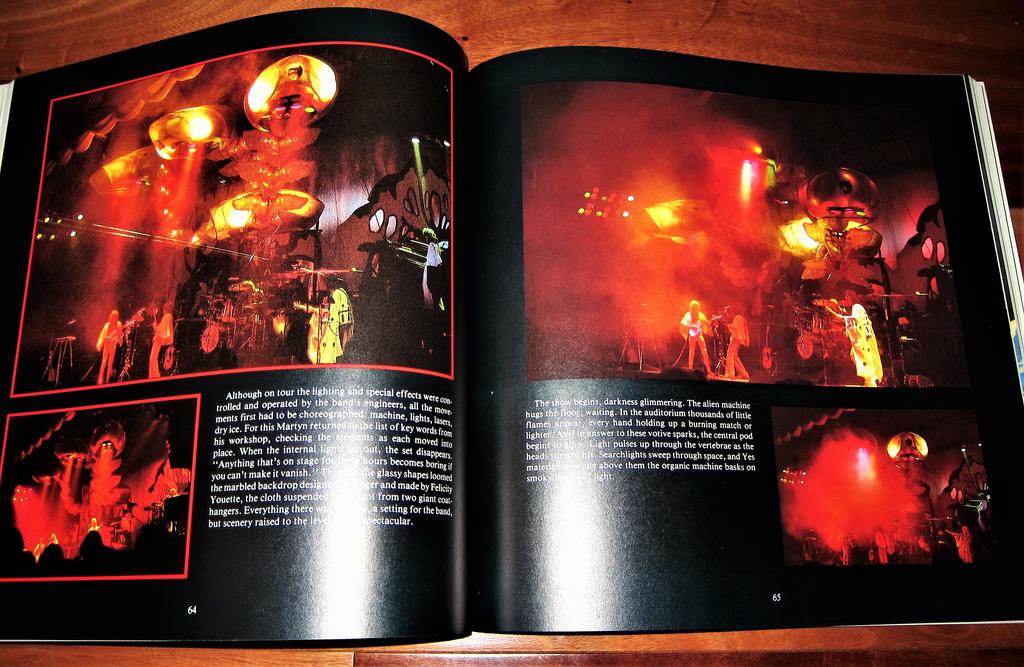
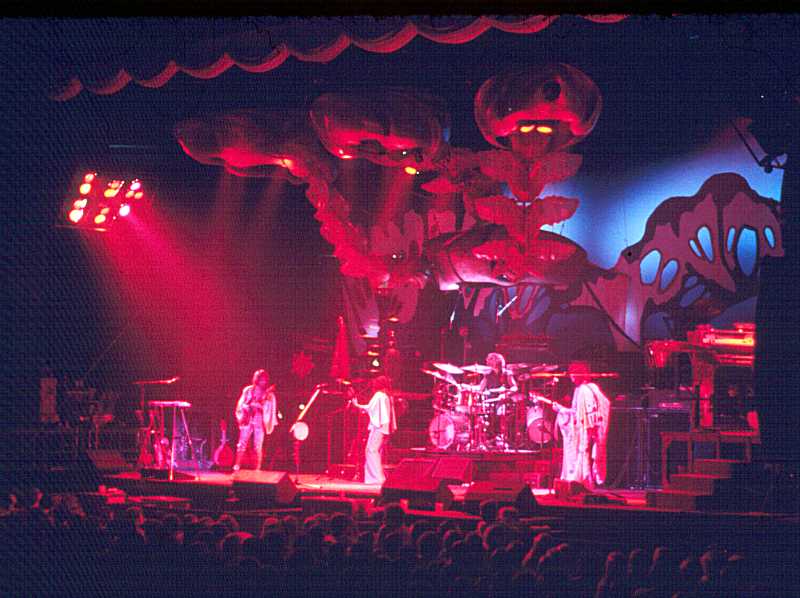
These are shots of the stage design that Roger and Martyn Dean did for the Relayer tour.
008_2.jpg


In Roger and Martyn's book Magnetic Storm they went into great detail about the design and implementation of the stage set.
All I can say is, WOW, I'd have loved to seen them on this tour. My first Yes concert was in '79 or '80.

The entire crab nebula machine sat on the floor and rose into the air as the band took the stage. Martyn never saw it assembled and working until the first show of the tour. It was just too large to put it all together until they were in a large American arena. He said it all worked perfectly without a glitch.
002.jpg

003.jpg

004.jpg

005_2.jpg

008_2.jpg

009.jpg

010.jpg


(all pics can be clicked on and made a bit larger)
 
Last edited:
9. Patrick Moraz

Patrick Philippe Moraz was born on the 24th June 1948, in Morges, Switzerland. At the age of 5 he began musical composition and studied piano, violin and percussion. At 13, he broke several fingers in his right hand, but learned to use his left hand until he became ambidextrous. He studied at the Lausanne Conservatory and had interests in both jazz and classical. He formed Mainhorse in 1969 and Refugee, with former The Nice members Keith 'Lee" Jackson and Brian Davison in 1974. After recording one album with the band, he joined Yes, following the departure of Rick Wakeman and the band's unsuccessful attempts to recruit Vangelis, and stayed with the band until 1976. At the end of Yes' 1975 tour, the band took a time-out so that the members could pursue solo projects. He recorded a solo album, The Story Of I, released in 1976, and appeared on Steve Howe's solo album "Beginnings" and Chris Squire's "Fish Out Of Water". Yes toured North America in 1976 with Moraz at the keyboards.

During the writing of material for Going For The One, Rick Wakeman had indicated his interest in returning to the band, and Moraz was asked to leave.

Following his departure from Yes, Moraz released another solo album "Out In The Sun", moved to Brazil and released a third album, self titled "Patrick Moraz". He also joined a Brazilian rock band called Vimana.

In 1978 Moraz joined The Moody Blues and appeared on their albums: "Long Distance Voyager" (1981), "The Present" (1983), "The Other Side of Life" (1986), and "Sur la Mer" (1988). At the same time, he recorded with Chick Corea and Bill Bruford. He was fired from The Moody Blues during the compositions for "Keys Of The Kingdom" and only appears on 3 tracks.

Since leaving The Moody Blues, Patrick Moraz has confined himself to solo work.
Those Moody records are stellar
:rockon:
 
@Delmarva

Thanks very much, Frank, for those posts. It's interesting how different people gravitate to the band at different stages in their history.

I think at the outset I said that I'd try to remain dispassionate and treat the band, whomever it happened to contain, as a single entity for the purposes of this thread. However, I can't pretend that Going For The One is not my favourite of all the bands output. It contains one of my favourite pieces of music, Awaken, and features my favourite musical instrument, the church organ. Add to this the fact that my favourite keyboard player returned to the band, employing technology almost unheard of at the time, and my choice is probably not a surprise.

That said, there is plenty more in the Yes catalogue that I find very easy to listen to, so I'm not going to consider Going For The One and then lose interest.

I'll be away for a few days. The musical journey will continue with Going For The One, soon as I get back into my computer seat.
 
I purchased and downloaded the Steve Wilson Remixes. I'll report back.

-Dave

My GF and I have listened to "The Yes Album", "Fragile", and "Close to the Edge". We both like the "Steve Wilson Remixes". I don't know what he does exactly, but he uses a subtle hand. The mix itself doesn't sound all that different from the originals. What you get is a cleaner sounding version with less grunge. There's a bit more separation between the instruments and the vocals are a bit more distinct. Again, a very subtle difference. I think that any Yes fan would find these a good listening experience.

BTW, I purchased the 24 bit 96 kHz version.

-Dave
 
Back
Top Bottom