

You are using an out of date browser. It may not display this or other websites correctly.
You should upgrade or use an alternative browser.
You should upgrade or use an alternative browser.
Your favorite DIY trick
- Thread starter birchoak
- Start date


arts
Addicted Member
The knot is hot
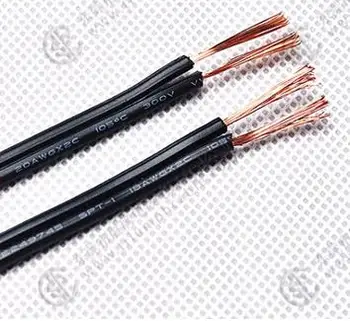
For simple speaker wire polarity identification, I tie a knot into the positive side.
I don't know if there is a standard for this,but when I'm using zip-cord,my practice has been to use the lead with the molded-in tracer as the positive:
''If it's got something on it,it's got something on it''

catrafter
Marantz Specialist
Check the fuse holder for the proper fuse. I have found 20A automotive fuses many times.
Work with one hand in your pocket when the power is on.
Unless the AC plug is in your pocket, act like the power is on.
Discharge large filter capacitors with a 120V/15W light bulb.
Always use the appropriate screwdriver for the type of fastener.
If it was operating before you worked on it, and it doesn't now, you probably screwed up.
Tom

ghazzer
Senior Member
Popsicle sticks are very versatile. Especially since they are non-conductive when DRY.
Whittle or sand them down to a wedge and they are great for cleaning surfaces, starting small screws, inserting between parts as an insulator, etc. The chisel end is easily renewed, many times.
You can clamp them to the chassis to apply slight pressure and they will hold a part in place like a third hand while you solder it.
I always keep a few within easy reach on the bench.

birchoak
Hi-Fi Nut
If I knew someone like that I would happily harvest out work to him/her.My favorite DIY trick? That's easy! I have a good friend that repaired A/V gear for a living years back. I take gear I'm stuck on over to him then buy him lunch after.
/works every time...
birchoak
Hi-Fi Nut
We have tons of bamboo skewers and I never made the connection--good one, Nate.Bamboo skewers are great for putting pressure on the legs of through hole components you're desoldering once you've sucked the majority of the solder out.
Wrapping a piece of paper towel around the end of said skewer and dipping in alcohol makes a decent facsimile of a very long q-tip.
They're also great gentle scrapers when you have glue or other reside you want to scrape off without digging into the surface of a circuit board.
birchoak
Hi-Fi Nut
Sweet! Why the heck didn't I think of that? There's a roll of electrical tape right next to the screwdriver on my bench!Using tape to hold the screw to screwdriver or nut to nut driver when you cannot actually get your hands in place.
Push the screw through the tape with the sticky side facing towards the shaft of the screwdriver. Fit the screw onto the end of the screwdriver then fold the tape up onto the shaft. Feed that into the hole and get the screw started and firmly in the threads but NOT tight. gently pull the screwderiver off the screw, if you have the room, rock it off to the side as you do so. Tape should pull off the screw. If it stays on, use needle nose pliers to retrieve it. Remove the tape from the screwdriver and then seat the screw. Works especially well in Microwave ovens where existing magnets make magnetic screwdrivers worthless.
Shelly_D
birchoak
Hi-Fi Nut
I take pictures but I realize I do not take enough, and from different angles. Great idea marking caps with arrow facing faceplate of unit. Good common sense.Not my trick but I use it, mark all caps with a dot or line facing the front of the unit. That way if you pull a cap and can't remember which way it went you've got the old one marked to use as reference.
Also pictures. Lots of pictures. What color screws went where, leg orientation of transistors you're pulling out, wire harness routing, everything basically. You can never have too many before pictures.
birchoak
Hi-Fi Nut
Tips from a master. I like "unless the AC plug is in your pocket, act like the power is on." You really, really don't want to get electrocuted.Check the fuse holder for the proper fuse. I have found 20A automotive fuses many times.
Work with one hand in your pocket when the power is on.
Unless the AC plug is in your pocket, act like the power is on.
Discharge large filter capacitors with a 120V/15W light bulb.
Always use the appropriate screwdriver for the type of fastener.
If it was operating before you worked on it, and it doesn't now, you probably screwed up.
Tom
birchoak
Hi-Fi Nut
Roger on DRY--what a great idea. We also happen to have about 400 Popsicle sticks so I'm in!Popsicle sticks are very versatile. Especially since they are non-conductive when DRY.
Whittle or sand them down to a wedge and they are great for cleaning surfaces, starting small screws, inserting between parts as an insulator, etc. The chisel end is easily renewed, many times.
You can clamp them to the chassis to apply slight pressure and they will hold a part in place like a third hand while you solder it.
I always keep a few within easy reach on the bench.

petehall347
the brandy coffee man
i use rtv silicon for same reason


JP
7480 74111110101115
Don't solder in your underwear.
You solder naked? Brave.
Last edited:

restorer-john
Addicted Member
OK, I'll play along.
Storage and easy access to your full length heatshrink (I use a lot). (I used to hang it up with a bulldog clip, but the cat used to put bite marks in the tubing...
Empty gift wrap long cardboard tube, tape over one end and slide all your heatshrink into it. Use a kitchen paper towel tube and slide up. Stand it next to your bench. Slide the collar down to splay, and up to close.


A Pringles type can with lid for short lengths- keeps them at hand and dust free


Storage and easy access to your full length heatshrink (I use a lot). (I used to hang it up with a bulldog clip, but the cat used to put bite marks in the tubing...
Empty gift wrap long cardboard tube, tape over one end and slide all your heatshrink into it. Use a kitchen paper towel tube and slide up. Stand it next to your bench. Slide the collar down to splay, and up to close.
A Pringles type can with lid for short lengths- keeps them at hand and dust free
You solder naked? Brave.
I fry naked. Makes me feel alive.

On a more serious note. I like to combo CRC contact cleaner with Deoxit to save on the expensive stuff. Flush with copious quantities of the former, light shot of the latter. Works well and the CRC doesn't leave oily overspray.

When I go spelunking behind my vintage amps to hook up something, I put on that headstrapped light thing the wife bought (I think cave divers and such use it??)
You ALWAYS need more light when diving behind those things.
I'm also a big fan of wrapping a tonearm with thread tape. Looks good, and dampens vibrations.
Finally, I use a chunk of melamine pad shoved in an old 2 liter cap. Dunk your stylus in it a few times, needle all shiny and clean.
You ALWAYS need more light when diving behind those things.
I'm also a big fan of wrapping a tonearm with thread tape. Looks good, and dampens vibrations.
Finally, I use a chunk of melamine pad shoved in an old 2 liter cap. Dunk your stylus in it a few times, needle all shiny and clean.
petehall347
the brandy coffee man
i just got a pack of 380 pre cut . £1 shop box soon sorted them out .OK, I'll play along.
Storage and easy access to your full length heatshrink (I use a lot). (I used to hang it up with a bulldog clip, but the cat used to put bite marks in the tubing...
Empty gift wrap long cardboard tube, tape over one end and slide all your heatshrink into it. Use a kitchen paper towel tube and slide up. Stand it next to your bench. Slide the collar down to splay, and up to close.
View attachment 1215425
View attachment 1215426
A Pringles type can with lid for short lengths- keeps them at hand and dust free
View attachment 1215427
View attachment 1215428
restorer-john
Addicted Member
When dismantling/reapiring gear, I often have a bunch of things on the go, waiting for parts etc. Screws need to stay with the gear and not get lost.
Ziplock bags are painful and often you need to group screws carefully to reinstall. Magnets are great for this.
Buy a packet of 25 magnets for a few dollars. When you take the top cover off, stick several magnets underneath to the steel and put all the screws you remove on the magnets, in groups or however you like to have them. They will never get lost and are always attached to the lid where you left them.
Last edited:
petehall347
the brandy coffee man
i try and group the screws to where they came from if i dont know the unit .. top bottom or wherever . just dont mix them up
