
Fred DuBuron
Active Member
New Schematic
This is the ESS recommended setup IF you are running the Goldwood 10" Woofers
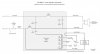
This is the ESS recommended setup IF you are running the Goldwood 10" Woofers



Now you did it...
I have a Boz Skaggs DIG CD coming in the mail Monday...
What a great CD!
If anyone has a AMT-1 Tower apart...
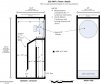
Can you verify some of these measurements?
View attachment 2071523

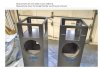
There are at least two variations of the cabinets as the pair that I have do not match. The input jack/attenuation knob location is different, the size of the holes around the AMT are different on the front and sides, and the topmost part of the t-line at the front just below the woofer is located higher. I'll have to see if I can get some time to take them apart again and make some measurements. The pictures in the first post of this thread show the exterior differences.




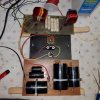
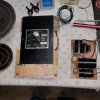
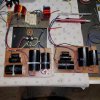
Sure.So I have found three variations in the Tower crossover Caps.
Schematic........Config #2................... MY SPEAKERS
..........................Photos below..............(See Photos at bottom)
C1 = 55uF............51.5uF.......................47.6uF
C2 = 75uF............75uF..........................70.8uF
C3 = 33uF............. 33uF.........................33uF
I currently have the 10" Goldwood GW-10PC-4 Heavy Duty Woofers in my cabinets.
I have reached out to Rick at ESS and sent him the Woofer specs and they are recomputing the Cap values of C! and C2 based on the Goldwoods.
I will post his response if folks are interested
We all have seen the version on the original schematic that was leaked on the web.
View attachment 1969865
Then there is this crossover
View attachment 1969867 View attachment 1969868 View attachment 1969869 View attachment 1969870
And then... finally
what I have...
View attachment 1969874 View attachment 1969875 View attachment 1969876
... Nice job on the cabs!
Those are GabeD's cabinets we were talking about

Hi I have same ess amt 1 towers and thinking about refrubing, is it would it how does your sounds how is the bass? are these goldwood woofer available? I see ess has repalcement woofers, any comments would be apprecitedSo I have found three variations in the Tower crossover Caps.
Schematic........Config #2................... MY SPEAKERS
..........................Photos below..............(See Photos at bottom)
C1 = 55uF............51.5uF.......................47.6uF
C2 = 75uF............75uF..........................70.8uF
C3 = 33uF............. 33uF.........................33uF
I currently have the 10" Goldwood GW-10PC-4 Heavy Duty Woofers in my cabinets.
I have reached out to Rick at ESS and sent him the Woofer specs and they are recomputing the Cap values of C! and C2 based on the Goldwoods.
I will post his response if folks are interested
We all have seen the version on the original schematic that was leaked on the web.
View attachment 1969865
Then there is this crossover
View attachment 1969867 View attachment 1969868 View attachment 1969869 View attachment 1969870
And then... finally
what I have...
View attachment 1969874 View attachment 1969875 View attachment 1969876