


flavio81
Turntable technician
So would a 6Hz resonant frequency be acceptable?
Really, the rule of thumb is that between 8-12Hz is OK, however there have been different opinions on this and I think it was Joe Grado or another well-recognized name in audio that was advocating for a much lower frequency. My view is that it's all about the Q-factor and the Q-factor will depend on the cartridge itself. For example shure cartridges are often fitted with suspensions with low Q factors thus work better with various arm masses; whereas Grado cartridges in general are notorious for having sharp (high) Q suspensions and thus being picky and difficult to get right.
All in all, i'd say that if you are not having any flutter, wow, or mistracking problems when hitting a warp, and if there is no problematic subsonic frequencies moving your speaker cones, and no feedback problems, then call it a day and leave it as it is.
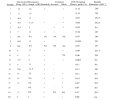
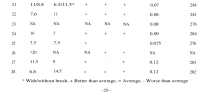
A good reference is the magazine "The B.A.S Speaker", Volume 8 Number 5, February 1980, page 25, they test about 24 turntable/tonearm/cartridge combinations. There were combinations with less then 5Hz resonant frequencies that worked fine.
Now, if you want to go for a cartridge suited for high mass tonearms, that's OK too, but you'll have to state your budget. Cheapest ones would be DJ cartridges like the Ortofon VNL. For MC cartridges the Denon 103 would be a start.
If you want to diminish the tonearm effective mass, the easy way is to replace the headshell for a light one (IIRC the lightest there is is the SME headshell at 6.5 gram or so), and the other useful advice is to use a heavier counterweight. Heavier counterweight means the counterweight sits closer to the pivot and thus the inertia of the system is diminished.
Last edited:


