• The move to the new server is done. There are some software and database maintenance updates in process. This has us passing the hat around to help out. We appreciate any donations. Seriously, even a dollar helps. The payment page may be found here - https://www.audiokarma.org/support.html

I had to recap my clock!

ConradH

Lunatic Member
We have a little WWVB LCD clock in front of the TV. Very handy thing and have had it for years. I got it when one of the big box electronic stores closed and was blowing them out for a few dollars each. Anyway, it's had more and more trouble picking up the WWVB signal, until it wouldn't really do it at all. Nothing obvious inside and there's only one 10 uF electrolytic. It tested a bit over 7 uF so I figured it was probably still doing its job. Apparently not, as I replaced it and the clock started syncing again. It was a cheap cap and I put in a nice tantalum for low leakage (battery life) and hopefully no future failures. We'll see how it does over the next few days.
 
Register to hide this ad
Here in Florida the heat destroys capacitors in everything. Besides stereos, I’ve replaced caps in ceiling fans, pool controls, microwave, AC units and pool heaters. More to come I’m sure. They’re the first thing I check now!
 
Well done keeping your clock out of the landfill. Last year the LCD panel our little toaster oven faded out and went blank - which meant there was no way to know what it was being set too. I recapped the control board and it came back to life. $3.00 worth of parts and now it's probably good for another 20 years - Chris
 
Tons of info and threads on this very issue. Very few seem to remember and research
that almost all consumer electronics and everything else, especially LED TV's, all use/install Tier 3 and 4
lytics at the factory. That is the problem. Tier groupings of manufacturers (name brand of the lytics) and counterfeit/ non counterfiet is extremely important now.
 
Fakes are more prevalent in new gear (since early 90s). They are also designing circuits with components just on the edge (like putting 15v capacitors in a 16v circuit). Don't have problems with 40 year old capacitors (they are failing at about 1 percent, usually drift or increased esr, I test when I replace everything).
I also keep everything related to my computer hobby (started out with a 386sx16 board and 1 meg that I still have). The boards that I purchased after 97 all started to fail. I kept them and looked at them again when I was packing. Asus, abit boards (one that was purchased as a backup and never used) had bulging caps. I bought new caps and even got my abit kt7-raid working again (made it into a good win97 rig for old games vs my pentium 90 dos rig). I wish I had kept my tube tvs that I bought from that era as they also failed, probably because of dodgy/fake caps.
 
I recapped a clock too. A cool retro Philips clock radio with big old red LCD numbers. The segments kept freaking out so I replaced the caps round the board - only a handful of them - and shot the volume control with some Deoxit. Job done :-)
 
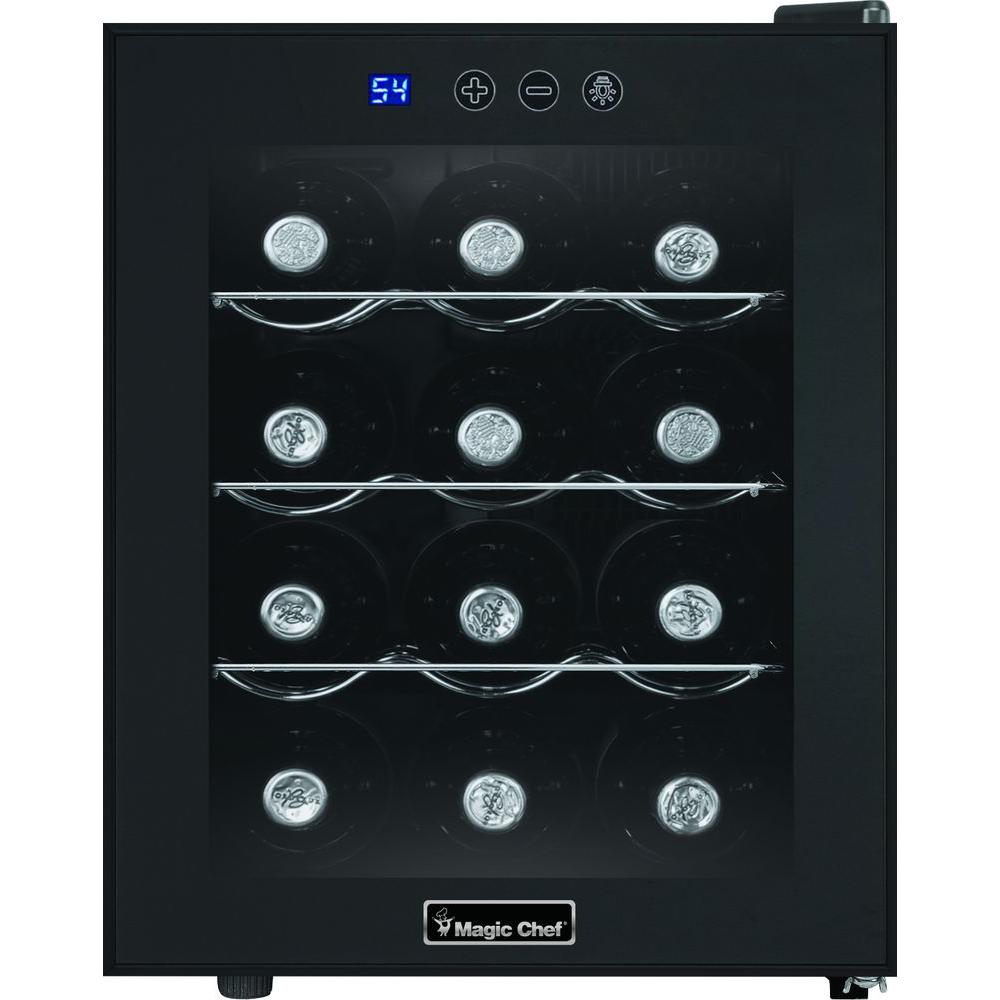
repaired one similar to this with a recap.. Wine cooler
black-magic-chef-wine-coolers-mcwc12b-64_400.jpg
 
I recapped a clock too. A cool retro Philips clock radio with big old red LCD numbers. The segments kept freaking out so I replaced the caps round the board - only a handful of them - and shot the volume control with some Deoxit. Job done :-)


I wonder if that's why the display went dark on my Optimus receiver. The display started dimming several years ago and now is completely out.
 
Fakes are more prevalent in new gear (since early 90s). They are also designing circuits with components just on the edge (like putting 15v capacitors in a 16v circuit). Don't have problems with 40 year old capacitors (they are failing at about 1 percent, usually drift or increased esr, I test when I replace everything).
I also keep everything related to my computer hobby (started out with a 386sx16 board and 1 meg that I still have). The boards that I purchased after 97 all started to fail. I kept them and looked at them again when I was packing. Asus, abit boards (one that was purchased as a backup and never used) had bulging caps. I bought new caps and even got my abit kt7-raid working again (made it into a good win97 rig for old games vs my pentium 90 dos rig). I wish I had kept my tube tvs that I bought from that era as they also failed, probably because of dodgy/fake caps.
Ha.
Seems as times go by general, common knowledge in this forum regresses, not progresses. You do know that ANY 40+ year old lytic was almost certainly low general grade to begin with, and only had a shelf life of 10 years, right?!?
 
Ha.
Seems as times go by general, common knowledge in this forum regresses, not progresses. You do know that ANY 40+ year old lytic was almost certainly low general grade to begin with, and only had a shelf life of 10 years, right?!?
They still work. I test them for esr, leakage and for capacitance and they are still working. I have only found 1% failure among these old caps and mostly the smaller value (smaller size hence less electrolyte). I still change them as part of a refurbish but that does not lesson the fact that these older caps are better, much better, than what's found in modern electronics.
 
I wonder if that's why the display went dark on my Optimus receiver. The display started dimming several years ago and now is completely out.
The display on my Audi went out with the same symptoms, slowly over time. After reading about how I should change the lcd display with a new one, I pulled the dash and just resoldered the lcd (they had used low temp solder paste and it did not last in the heat). So check the connections to the display.
 
I recapped a motherboard many years ago, when there was a bad cap runs in multiple MB brands. It came out just fine when I was done. I was surprised and happy.
 
I recapped a motherboard many years ago, when there was a bad cap runs in multiple MB brands. It came out just fine when I was done. I was surprised and happy.

I used to work for a large organisation which used almost entirely Dell computers. For a few years we had dozens of base units which had sudden power failure - all down to bad, bulged out caps as it turned out.
 
I may have one of the oldest LED clocks in existence. I was fascinated by LED clocks when they came out in the mid 70’s. I paid a pretty penny for an LED alarm clock the minute I found one on the market. I was in my mid 20’s at the time. Sometime in the 90’s, it died and I threw it in the trash. But before it got picked up, I retrieved it to check out the inside. I found a blown inline fuse, replaced it, and it came back to life. That clock still sits on my nightstand and wakes me up every day. At 69 years of age, I can’t think of many things - other than my wife - that have been with me longer.
 
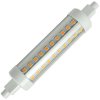
I replaced an electrolytic in an LCD bulb:
LCD bulb.jpg
It wasn't more than about 6 months old. Cap replaced was a ChongX. I have another halogen torchiere lamp that I replaced with one of these bulbs, and it's fine.
 
Capacitors really do seem to be a weak point. I had a 22" Acer LCD computer monitor fail. Replaced a few capacitors and all was well again.

Hardest part was figuring out how to disassemble the monitor without destroying the housing......
 
Back
Top Bottom