That's most definitely not coaxial, it's got a whizzer cone. 25kHz is probably - 10dB at 0 degrees on axis, during a solar eclipse, with the prevailing winds are at zero.
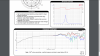
Maxhifi, I concur, but when Mr. MHardy sent me the links, and I review the response graph, I could only assume this was a 2-way driver, because, as you say, there would be nothing useful in the upper high frequency range, hence my comment. So, I'm not sure what to make of this speaker if its a single driver; I've never seen a single driver produce a response curve such like that. I can only assume that if this is a single driver, there may be more to this response curve/test/parameters than meets the eye. I would love to know.
Back to the question at hand, hearing is very subjective matter MHardy, and ones approach is predicated on this along with application, however, there is a reason sound is divided into three key areas - bass, mid-range, and high frequencies, with each section placing its own unique demands and requirements of the drivers physical properties required to produce those sounds. Hence the difference between the physical structure of a transducer designed to move 20 times a second vs. one designed to move 20,000 times a second; a single driver cannot produce each faithfully. If trying to produce accurate sound, having the proper transducers is required, but, if your application is such that your monitoring yourself on-stage, maybe your playing the guitar and need to hear yourself, the accuracy is not as critical and many times, full range drivers are employed as a result. In fact, several of the Dayton speakers are designed for this "monitor" application as stated on the website.
So, in closing, you can certainly disconnect the tweeters and see how these full range drivers sound, if you like, then great. If not, then I would look at the response graph and determine exactly where the bandwidth drops below the +/- 3db area as this will likely be where your tweeter will need to begin it's output. With a properly sized capacitor and coil, you can easily create a nice 12-18db hi-pass filter for the tweeter that's already installed and it should work fine.
Again, these are my opinions and I'm sure others will have plenty. Good luck!





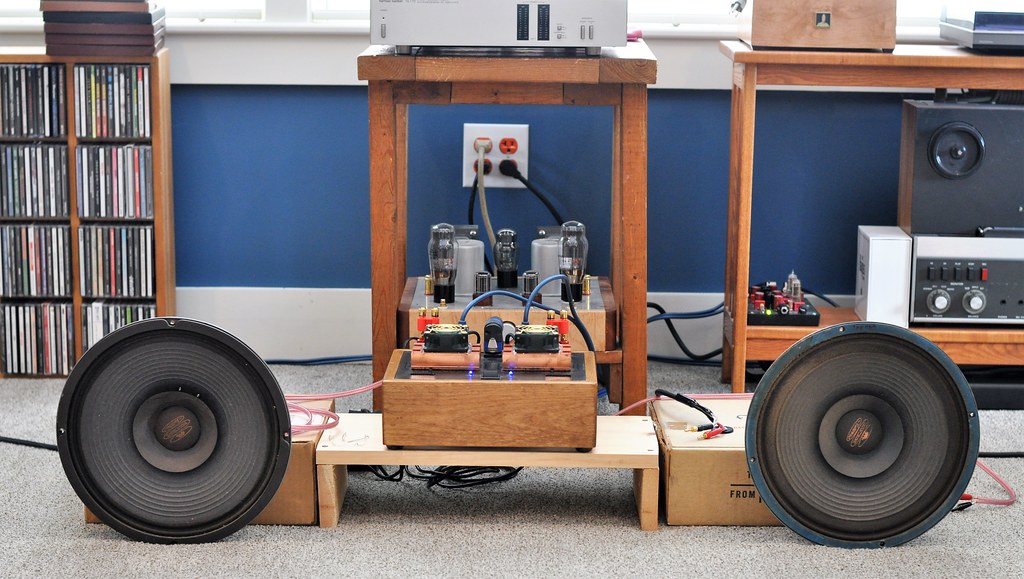
 It's interesting though and I wasn't aware that this approach was pursued by some enthusiasts. I don't know anyone that employs this design but maybe I'll get an opportunity to audition something like this one day. At any rate, great discussion and very informative!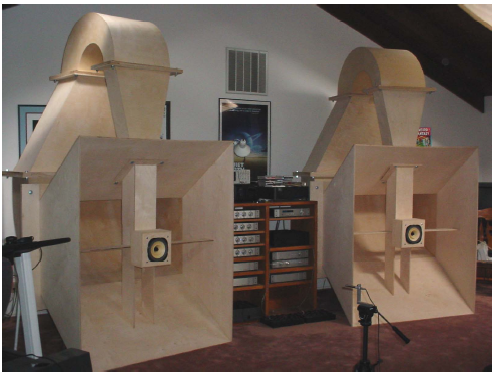
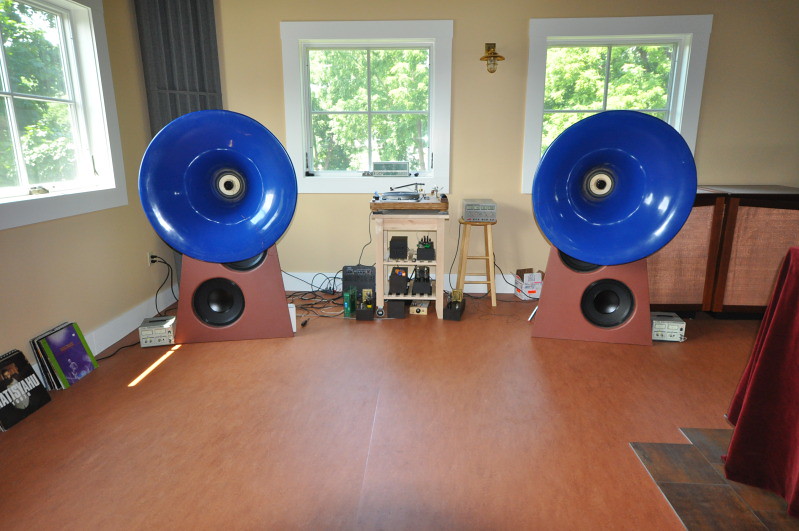 DSC_5143
 DSC_3316
 DSCN5289
 P1020270
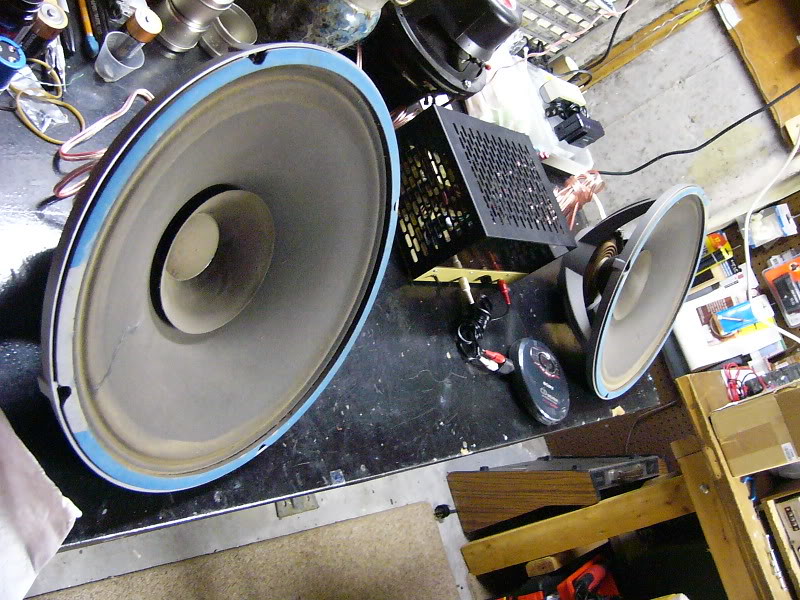 P1030332
 DSC_7144 (2)