• The move to the new server is done. There are some software and database maintenance updates in process. This has us passing the hat around to help out. We appreciate any donations. Seriously, even a dollar helps. The payment page may be found here - https://www.audiokarma.org/support.html

Is there an "additive" for cleaning fuel injectors?

Unless your engine is knocking under load or acceleration, higher octane fuel is a waste of money. A statistician that used to work for Exxon or one of the big oil companies told me that a long time ago. Your local parts store will have many different kinds of injector cleaners.
True, but irrelevant to this discussion. Top Tier is about the additives, not the octane.
 
There’s a lot I could ramble on about on injector cleaners / fuel treatments, I have tried many solvent-based fuel treatments like Chevron Techron, other well-known fuel treatments with little to no change. Solvent-based cleaners like Techron typically have a requirement to change the oil after use as they contaminate the oil also, not a good thing for cylinder wear when it’s burning nor other lubrication-dependent parts of your engine, but use it if you wish.

The only one that I have used with consistent success is RedLine SI-1 Complete Fuel System Cleaner, available at most of the auto-parts chains. It is not solvent-based but instead detergent based and a bottle in a tank of fuel makes a noticeable difference typically in less than 100 miles in idle quality and also in off-idle response (gets rid of that little hiccup/delay).

I have also used RedLine happily now for around 30 years in diesels from CAT diesels and Mercedes diesels (Red Line 85+ and also their Anti-Gel).

In many US and German fuel-injected engines and all of my boats Red LIne SI-1 Complete Fuel System Cleaner solves a lot of problems for around $15 and doesn’t contaminate the lubricating oil nor wash-down cylinder walls in use, a win-win IMO.

Use what you want, I’ve tried most of them as have friends and family, the RedLine is the one we all have found works. Techron might work for you, might not, best of luck.
 
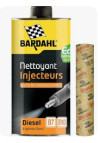
Here in France we have a additive called Bardahl... It exist for gas and diesel.

1764522985694.png1764523024349.png
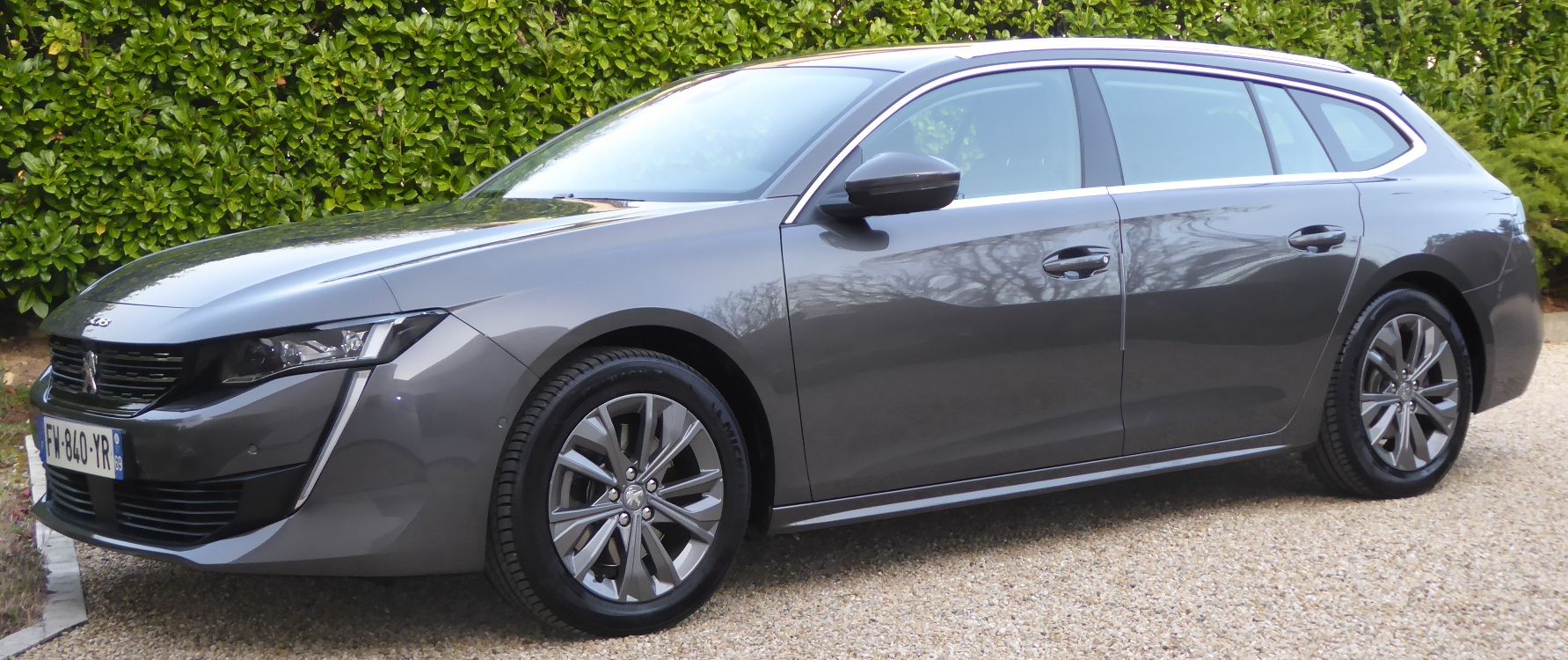
My Peugeot 508SW 2.0Hdi is now at 107 000km, and one of these days, I'll do it...

vObhOb-P1140552.jpg


T
 
That engine might run fine above a certain altitude level but could struggle below that level when using 85. That's probably why Ford doesn't recommend it. They aren't trying to trick you into buying more expensive fuel. All they care about are potential engine issues under warranty. Running 85 octane fuel obviously worries Ford, or they wouldn't tell you not to use it.

Also, turbo engines don't lose power nearly as much at altitude- they compensate with more turbo rotor speed. This is used to advantage, by many car manufacturers, to increase performance at higher altitudes.

It may be that the tuning compensation that is probably done, to maintain power at high altitude, may have repercussions in terms of needed octane in the fuel...

Regards,
Gordon.
 
There’s a lot I could ramble on about on injector cleaners / fuel treatments, I have tried many solvent-based fuel treatments like Chevron Techron, other well-known fuel treatments with little to no change. Solvent-based cleaners like Techron typically have a requirement to change the oil after use as they contaminate the oil also, not a good thing for cylinder wear when it’s burning nor other lubrication-dependent parts of your engine, but use it if you wish.

The only one that I have used with consistent success is RedLine SI-1 Complete Fuel System Cleaner, available at most of the auto-parts chains. It is not solvent-based but instead detergent based and a bottle in a tank of fuel makes a noticeable difference typically in less than 100 miles in idle quality and also in off-idle response (gets rid of that little hiccup/delay).

I have also used RedLine happily now for around 30 years in diesels from CAT diesels and Mercedes diesels (Red Line 85+ and also their Anti-Gel).

In many US and German fuel-injected engines and all of my boats Red LIne SI-1 Complete Fuel System Cleaner solves a lot of problems for around $15 and doesn’t contaminate the lubricating oil nor wash-down cylinder walls in use, a win-win IMO.

Use what you want, I’ve tried most of them as have friends and family, the RedLine is the one we all have found works. Techron might work for you, might not, best of luck

Ok, you sold me on the Redline. THX!
 
For that sort of cleaning you want PEA (polyetheramine) in the additive.

If you Google PEA fuel additives you'll find any number of options.
 
View attachment 3644559
Yes, the 2019 Yukon with the 6.2L engine is a direct injection engine, as confirmed by its official specifications and GMC brochures. This gasoline direct injection (GDI) engine also features Active Fuel Management and Variable Valve Timing to enhance both performance and efficiency.

I bought a OBD plug that turns off the AFM. No more 4-cylinder operation. Probably costing me half-a-mile per gallon or less.
 
I bought a OBD plug that turns off the AFM. No more 4-cylinder operation. Probably costing me half-a-mile per gallon or less.

Hi DR,

My bad, I forgot to put in my post why I posted what I did....

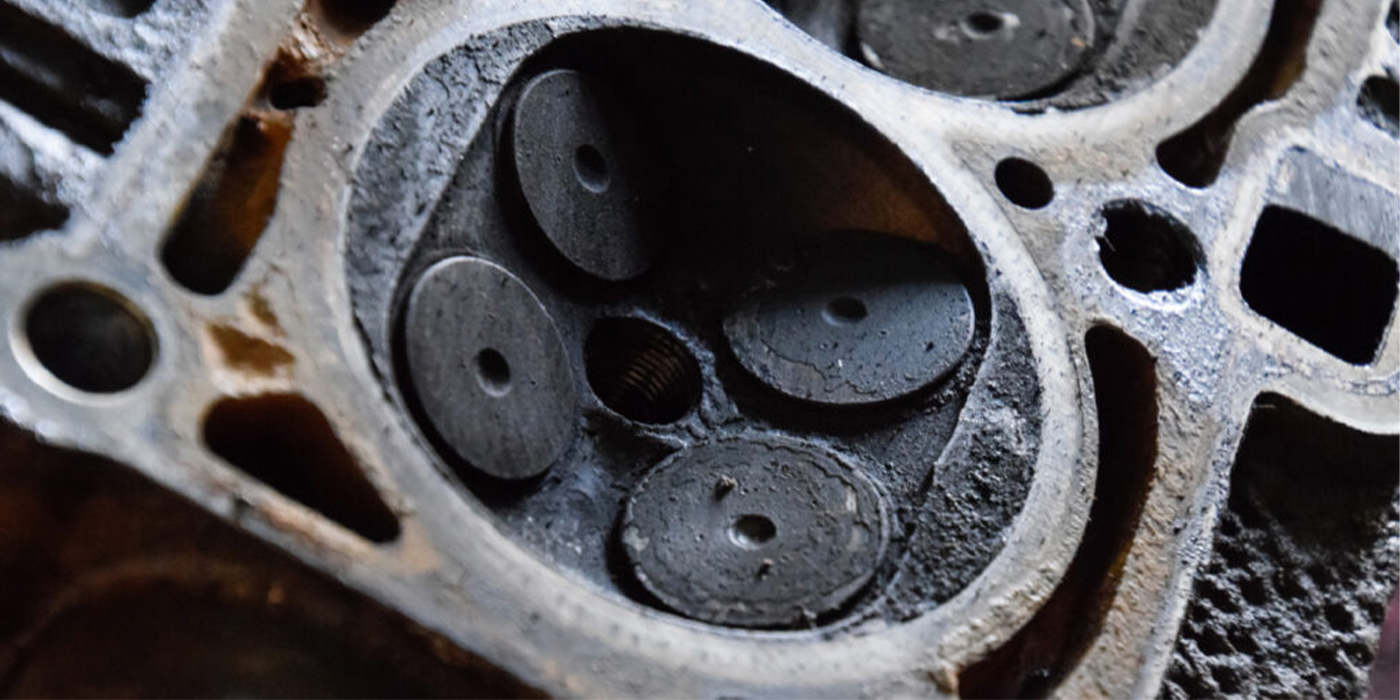
Since your engine has "direct" VS "port" fuel injection, if your idle roughness is due to carbon buildup on/around the intake valves (a very common problem on direct injected engines), no amount of miracle juice poured into the fuel tank is gonna solve that. The link in my post referring to Carbon Deposits gives a good explanation of it
 
My Peugeot 508SW 2.0HDi absorbs only 4.5L per 100km, on a 600km travel, through plains and mountains, from motorways (at an average of 130km/h) to small roads...

1764539938195.png

1764539985793.png

... Thanks to her Turbo-Diesel 16-valves direct injection 2L engine, coupled to a 8-speed automatic gearbox, all this in a Pullman comfort.

T
 
Since your engine has "direct" VS "port" fuel injection, if your idle roughness is due to carbon buildup on/around the intake valves (a very common problem on direct injected engines), no amount of miracle juice poured into the fuel tank is gonna solve that. The link in my post referring to Carbon Deposits gives a good explanation of it
The newer Subaru's have direct injection.
Thankful that our 2018 Outback is multiport.
 
Chevron Techron. I used it for years in Mercedes diesels. Added just 50 -100 miles before oil changes routinely it kept injectors clean.
Add some, run it for a while and change your oil.
Yes, That is what is recommended by BMW for my Oct. 2003 purchased Z8 Alpina Roadster #513, and is specially recommended to purchase and use the Techron additive, if Chevron high test gasoline is unavailable, fortunately a Chevron gas station is not far from my house.
Since following BMW`s guidelines for over 22 yrs. , the vehicle has had no engine power/smoothness performance issues, even when not driven for a period of yrs.
 
Years ago my supercharged Buick Regal was having issues related to a clogged injector. I found a product in Pep Boys, clear in color which claimed to clean injectors within a certain number of miles when added during fill up. I'll be darned if the injector issue disappeared within the amount of miles it claimed. I never could find that product again, but now I add fuel cleaner to my fuel after every 10,000 miles for preventative maintenance. I would consider using some of the other suggestions offered here (toluene, mineral spirits, lacquer thinner), but I've recently found several bottles of Techron fuel additive at a garage sale for a buck each so I'm set for a few years.
 
My wife uses Seafoam in her 2000 Honda Civic SI - swears by the stuff. Honda recommends high test only for that SI motor.
She puts a half can in the fuel tank before a fill up, so it gets mixed in well when refueling. About $8 a can via Walmart.
The 25 yo car still runs well at about 120k miles (not sure exact miles since when the car was stolen at appro 77k, they stole the dash!)
 
Going with the earlier recommendation that the bump at idle is ignition related, spark plugs first then coils (but I doubt it).
 
Unless your engine is knocking under load or acceleration, higher octane fuel is a waste of money. A statistician that used to work for Exxon or one of the big oil companies told me that a long time ago. Your local parts store will have many different kinds of injector cleaners.
The fuel that leaves the Exxon (or whoever) might be clean and pure*, but holding tanks at gas stations fall under a huge variation of condition and cleanliness.

I agree that 99.999999% of fuel additives are marketing wank, and using quality gas (which includes the same ingredients as the injector cleaners; look on the MDS lists) is the best way to keep your engine running well.
 
Back
Top Bottom