

You are using an out of date browser. It may not display this or other websites correctly.
You should upgrade or use an alternative browser.
You should upgrade or use an alternative browser.
Show us your cartridges and/or tonearms!
- Thread starter davidro
- Start date


Because it looks cute, heheh!
Cartridges do not sound the same, so are the tonearms and turntables. In fact, there is not a universal tonearm that can suit all kinds of cartridges, so in order to match a cartridge perfectly, it would be best to have different tonearms fitted on a turntable and partner the cartridge accordingly. Some cartridges like mass, the heavier, and the better they will sound. The Denon 103 and Shure M3D, for instance, love high mass arms to perform at their best. But on the other hand, high compliance cartridges like the Sonus Blue Gold, which has a compliance of 50 cu, will no doubt need a very low mass arm as a result. However sometimes synergy also plays a major role despite the cartridge compliance matches the arm mass perfectly.

Cartridges do not sound the same, so are the tonearms and turntables. In fact, there is not a universal tonearm that can suit all kinds of cartridges, so in order to match a cartridge perfectly, it would be best to have different tonearms fitted on a turntable and partner the cartridge accordingly. Some cartridges like mass, the heavier, and the better they will sound. The Denon 103 and Shure M3D, for instance, love high mass arms to perform at their best. But on the other hand, high compliance cartridges like the Sonus Blue Gold, which has a compliance of 50 cu, will no doubt need a very low mass arm as a result. However sometimes synergy also plays a major role despite the cartridge compliance matches the arm mass perfectly.

davidro
Lunatic Member
Im just curious why would you have more then one tonearm on a turntable?
I used to wonder about that, too. Now I do feel it would be great if I could have a tone-arm with a mono cartridge and another with a stereo cartridge.

Because it looks cute, heheh!
Cartridges do not sound the same, so are the tonearms and turntables. In fact, there is not a universal tonearm that can suit all kinds of cartridges, so in order to match a cartridge perfectly, it would be best to have different tonearms fitted on a turntable and partner the cartridge accordingly. Some cartridges like mass, the heavier, and the better they will sound. The Denon 103 and Shure M3D, for instance, love high mass arms to perform at their best. But on the other hand, high compliance cartridges like the Sonus Blue Gold, which has a compliance of 50 cu, will no doubt need a very low mass arm as a result. However sometimes synergy also plays a major role despite the cartridge compliance matches the arm mass perfectly.
WHOO HOO! Love those turntables w/multiple tonearms. The one on the right is a Technics SP-15, correct? :thmbsp::thmbsp:

Because it looks cute, heheh!
Cartridges do not sound the same, so are the tonearms and turntables. In fact, there is not a universal tonearm that can suit all kinds of cartridges, so in order to match a cartridge perfectly, it would be best to have different tonearms fitted on a turntable and partner the cartridge accordingly. Some cartridges like mass, the heavier, and the better they will sound. The Denon 103 and Shure M3D, for instance, love high mass arms to perform at their best. But on the other hand, high compliance cartridges like the Sonus Blue Gold, which has a compliance of 50 cu, will no doubt need a very low mass arm as a result. However sometimes synergy also plays a major role despite the cartridge compliance matches the arm mass perfectly.
How about a wider shot of the racks, and some info about the gear? What a setup! :drool:
WHOO HOO! Love those turntables w/multiple tonearms. The one on the right is a Technics SP-15, correct? :thmbsp::thmbsp:
Yes, it is a Technics SP-15 on an acrylic plinth.

Here are some more pictures of my rack as well as more gear.


I have no intention to list everything as there are simply too many, so most of my equipment is being stored in the garage as I don’t have enough space in the sitting room to accommodate all. Also my wife, no doubt, would complain.
I have no intention to list everything as there are simply too many, so most of my equipment is being stored in the garage as I don’t have enough space in the sitting room to accommodate all. Also my wife, no doubt, would complain.

Stanton681EEES
Addicted Member
Here are some more pictures of my rack as well as more gear.
I have no intention to list everything as there are simply too many, so most of my equipment is being stored in the garage as I don’t have enough space in the sitting room to accommodate all. Also my wife, no doubt, would complain.
Boy would i love to come over to your house:thmbsp:


Balifly
Listening
Yes, it is a Technics SP-15 on an acrylic plinth.
Could you elaborate on that, it is most intriguing!!!:scratch2:
Who designed the plinth and the support system?
How were the tonearms measure for their mounting?
What are the different tonearms?
What are the different cartridges mounted on them?
It needs a new thread!

Mitsubishi-LT20 with AT Signet cartridge
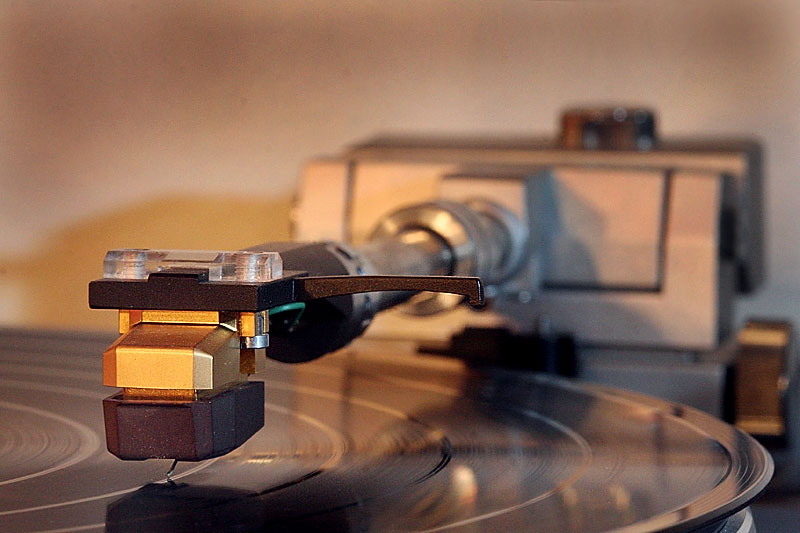
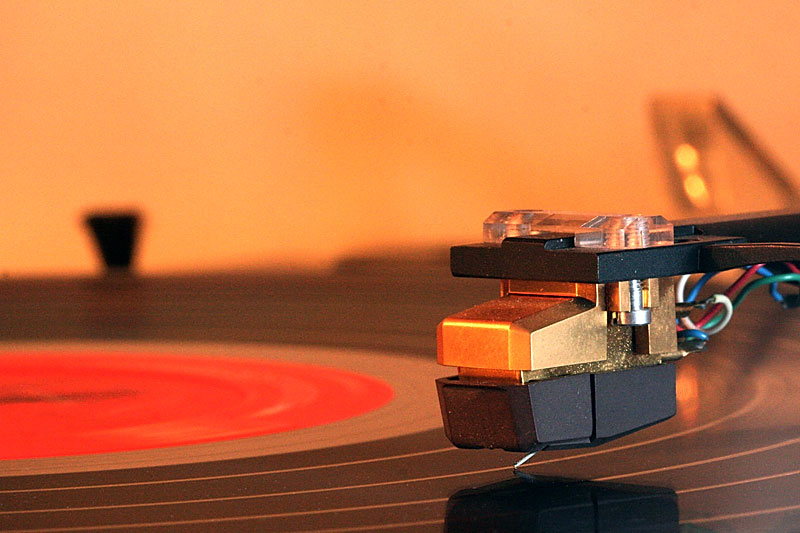
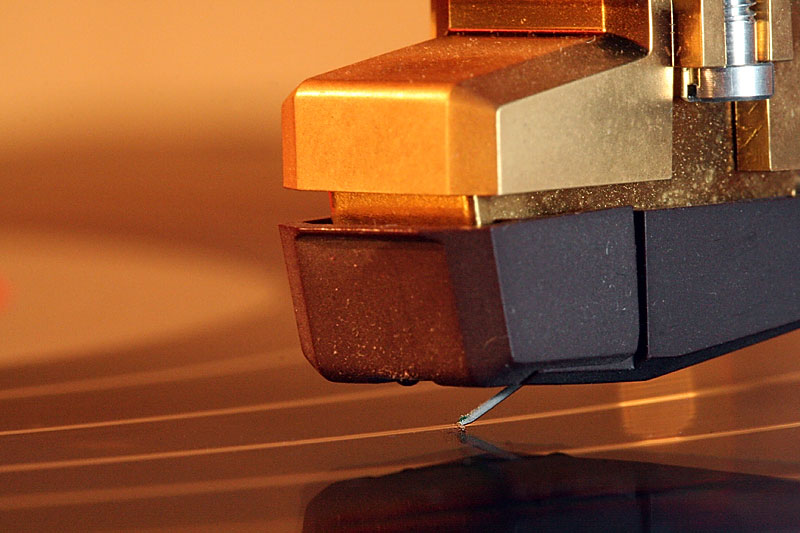
Onkyo-CP-1000A-4 with ADC Series 1
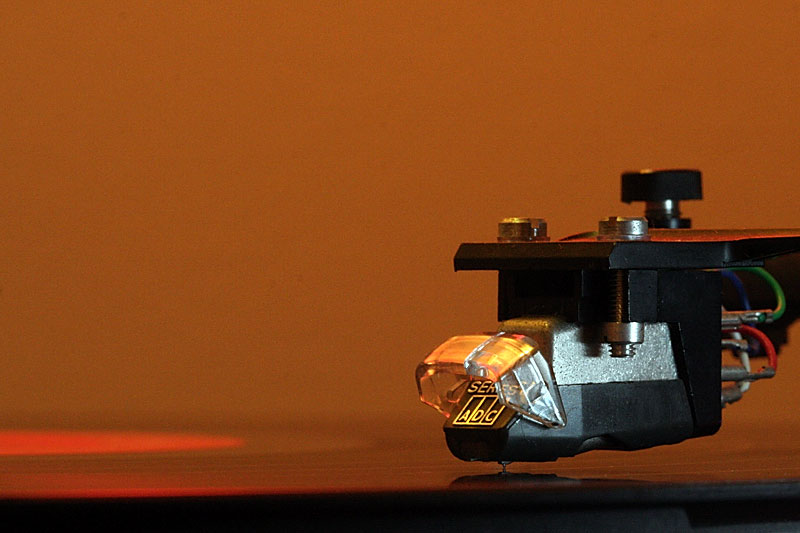
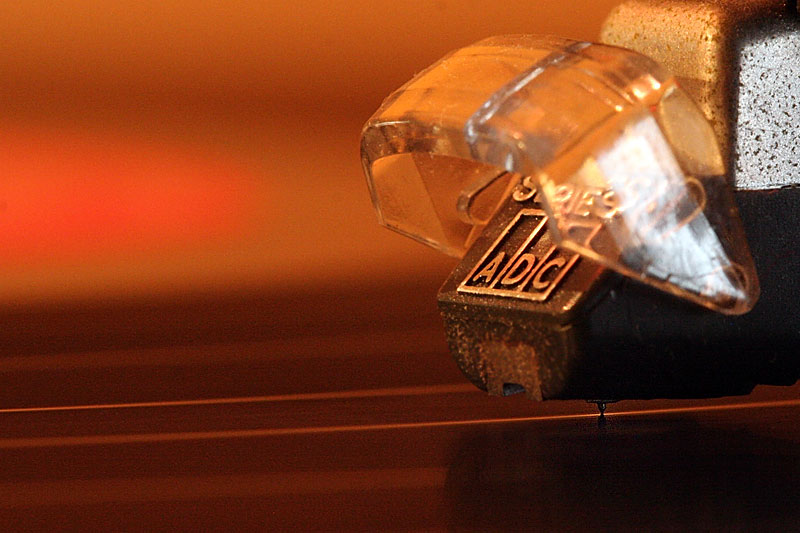
Great photography! How did you get those shots? And, don't you have dust in your house?
Here are some more pictures of my rack as well as more gear.
Dang it! Drooling on my keyboard.... :drool:
Awesome! :thmbsp::thmbsp:
Looking at Aerobat's beautiful macro photos, it's clear I need to upgrade my camera.... 
Could you elaborate on that, it is most intriguing!!!:scratch2:
Who designed the plinth and the support system?
How were the tonearms measure for their mounting?
What are the different tonearms?
What are the different cartridges mounted on them?
It needs a new thread!
Hi Balifly,
It was my own idea because I assumed that an acrylic plinth would be attractive and aesthetically very pleasing to the eyes. I had thought about using wood, MDF and slate as the material for the plinth but I finally chose acrylic which is normally easy to get cut and handled as wood and MDF will need to be painted or veneered as well. Slate is very heavy and expensive and I don’t have the special tools to do the job unless it is done by professionals.
At first, I ordered and bought a piece of 40mm thick polished acrylic from a shop, then cut the large size hole for the motor with a router, measured and drilled the small tonearm mounting holes with the help of templates which were provided and come with the tonearms when they were bought brand new many years ago.
I decoupled the whole turntable with acrylic footers at the beginning, but changed them to Audio Technica AT 605 Insulators and finally magnetic floaters at the end.
I have 20 tonearms in total and I keep swapping among them from time to time. The most frequently used tonearms are: Micro Seiki MA 505S, SAEC 308L, AT 1100. AT 1010, Grace 747, Mission 774 Original, Audiocraft AC3000 Silver Ltd, Linn Ittok and Rega 300(Incognito rewired, Michell Technoweight, Origin Live VTA adjuster) etc.
There are over 50 cartridges in my possession, including MM, MC and semi- conductor. The main ones that I normally play with are Denon 103R(aluminum body), AT 33ANV, ADC TRX-2, AT OC9, Ortofon M20FL Super, Ortofon 530 mk2, Orton MC15 mk2, Entre EC-1, Empire 2000E mk4, AT 14SA, Technics 205C mk3 and…..
Last edited:
Perhaps the most interesting would be a recently completed DIY oak unipivot, with a Grado Platinum Reference cartridge. This was my first attempt at building a tonearm and the results are outstanding, from a listening/sound quality standpoint.
There's a continuous run of Cardas tonearm wire from cartridge to RCA jacks. The pivot is a jewel quality stainless steel with matching sapphire vee bearing. Adjustable overhang, VTA, VTF, but no antiskate installed yet. Effective length 12". Pivot point is level with surface of record on platter. Pivot point and stylus tip are at equal distance from center of tonearm wand. The counterweight is adjustable up-down in relation to the tonearm, so I can fine-tune center of gravity.
I do plan on building more DIY unipivots and refining the design.
Very nice; minimalism is a beautiful thing.
Jim


Jody Thornton
Just Enjoying the Music
Here's my favorite combo I ever had! Technics SP-25 motor unit, Audio-Technica ATP-16T tonearm with Stanton 681A broadcast cartridge installed. Here it is at work:
How do Stanton Broadcast cartridges actuaslly sound in a home hi-fi setup? I've used them on AM music stations, but the wideband AM modulation monitor is hardly a good reference is it?
Does it use conical grinds only or are eliptical tips also available for it? Ours were only conical so we could back cue.