
Okay, okay..........so who here still uses an abacus?
I don"t, just asking
I still occasionally pull out my trusty HP55 LED calculator or the later HP10B LCD business calculator.


Okay, okay..........so who here still uses an abacus?
I don"t, just asking
Okay, okay..........so who here still uses an abacus?
I don"t, just asking

Okay, okay..........so who here still uses an abacus?
I don"t, just asking

I got a "Page not found" message when I clicked on the link.http://www.livescience.com/37004-12-outdated-technologies-refuse-to-die.html
An interesting article with what appears to be some decent numbers put to these technologies' use in the past few years. Particularly interesting is the number of LP sales and cassette (and VHS) sales too.
Which of these do you still use, and why, or when are you going to change?
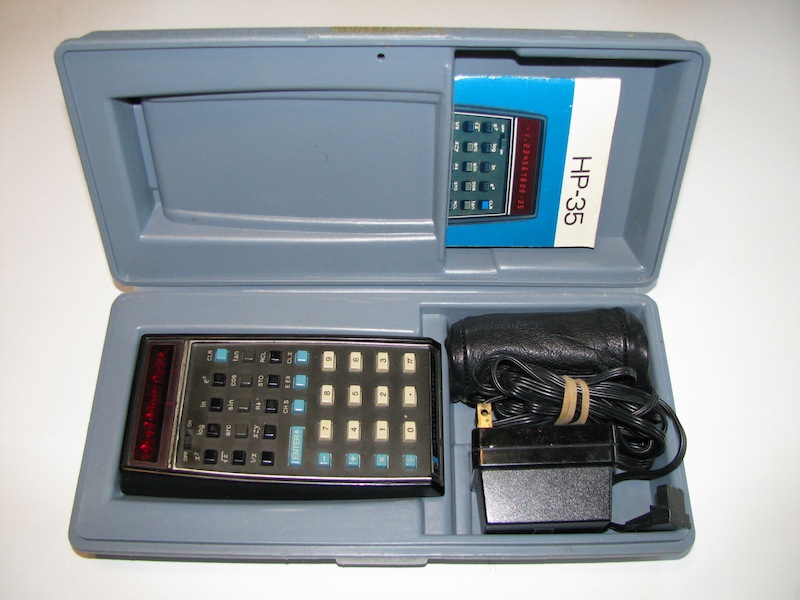
Still have mine and use it. I replaced the rechargeable nickel metal hydride battery (3 AA-size cells) a while ago. I like the RPN stack arithmetic it does. My copy did not come in that plastic case, however. I showed it to a buddy, and he wondered where the 'equal sign' key was. I explained how it worked to him.I remember learning about how to use them in school, but not much beyond that. For most of my calculating needs, I have this:
(among others)
Do you develop the film yourself, or can you get that done somewhere?I still shoot with film and enjoy it.

Old technology
Bible: The runaway best seller of all time. No other book has sold that many copies.I have a fax, landline(3), and vinyl.
I also have a Bible.
And after that, they will power the car with their feet, aka The Flintstones.Next: someone will be trying to tell us they have hand crank windows!
I pay my utility bills via mailed checks.+1!
Rome
I 'spoze.I still occasionally pull out my trusty HP55 LED calculator or the later HP10B LCD business calculator.

Well, this thread is almost 11 years old.I got a "Page not found" message when I clicked on the link.
Missed that.Well, this thread is almost 11 years old.

Well, this thread is almost 11 years old.
Which makes sense, your cable modem does all the conversion.Surprisingly, it works with our VoIP provider with no modifications or converters.
I work for a tax accountant, and I keep a HP 12C on my desk, even though I barely use it for anything besides the basic functions. My boss had me run an amortization calculation once, mostly as a test, but beyond that it's there for when I don't feel like setting up his adding machine. Speaking of which.....I still occasionally pull out my trusty HP55 LED calculator or the later HP10B LCD business calculator.
How about hand-cranked calculators?Next: someone will be trying to tell us they have hand crank windows!

 Along the way, I had to learn how to re-thread the ink ribbon, so I took the opportunity to get some "nudie shots" while I had it open:

The battery pack in my HP-35 had been rebuilt using the guts of a cordless phone battery pack (likely NiMH as well) before I got it. I'll probably end up doing that for a couple of my other early HP calculators as well. Unfortunately, the chargers for both my HP-35 and HP-45 no longer charge the battery packs, so I suspect that they need new capacitors, as is the case for electronics this old.Still have mine and use it. I replaced the rechargeable nickel metal hydride battery (3 AA-size cells) a while ago. I like the RPN stack arithmetic it does. My copy did not come in that plastic case, however. I showed it to a buddy, and he wondered where the 'equal sign' key was. I explained how it worked to him.

Not all VoIP interfaces do. When we switched from a POTS copper pair to Verizon FiOS service, the installer saw one of my many rotary phones hooked up in our basement and used it to check whether or not our new ONT (Optical Network Terminal) converted pulses to tones. While it did, the converter within the ONT is much more stringent when it comes to the rate of said pulses, so several of my vintage phones which had dialed out fine with the copper pair would no longer do so on FiOS until I lubricated the dial mechanism.Which makes sense, your cable modem does all the conversion.


