• The move to the new server is done. There are some software and database maintenance updates in process. This has us passing the hat around to help out. We appreciate any donations. Seriously, even a dollar helps. The payment page may be found here - https://www.audiokarma.org/support.html


Electrolytic Capacitors Dive

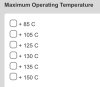
Can you explain the differences amoung them? ( see the screeshot) and provide advices on which options to choose for recap projects?
 

Attachments

  • IMG_1829.jpeg
    IMG_1829.jpeg
    117.5 KB · Views: 20
  • IMG_1832.jpeg
    IMG_1832.jpeg
    37.8 KB · Views: 16
  • IMG_1831.jpeg
    IMG_1831.jpeg
    50.9 KB · Views: 16
  • IMG_1830.jpeg
    IMG_1830.jpeg
    36 KB · Views: 16
Register to hide this ad
Here's my rule of thumb:

Audio grade or film (stacked metallized polyester is fine) for caps in the actual signal path. This will add the least "color" and have the lowest distortion.

Low leakage or film caps anywhere the manufacturer used them (usually orange or yellow Elna caps in vintage units). They are low leakage for a reason.

For filter and de-coupling caps I use low ESR caps (Nichicon UPW is a favorite, but they are going out of production in small sizes). The reason for low ESR caps here is that they are removing noise or serving as power reservoirs (or both) and the lower the effective series resistance the more power they can provide when needed and the cooler they will run.

Any other specialty caps should be replaced with similar, especially bi-polar caps. Polar caps, due to the structure of the foils and electrolyte, will overheat and explode when reverse biased. Not a good thing!

Electrolytic capacitor type and use can be a real rabbit hole, but if you look carefully you will notice that the manufacturer used ordinary general purpose capacitors in most places. Since caps degrade with time and use, almost any modern electrolytic cap you put in will be considerably better than what is there now.
 
Back
Top Bottom